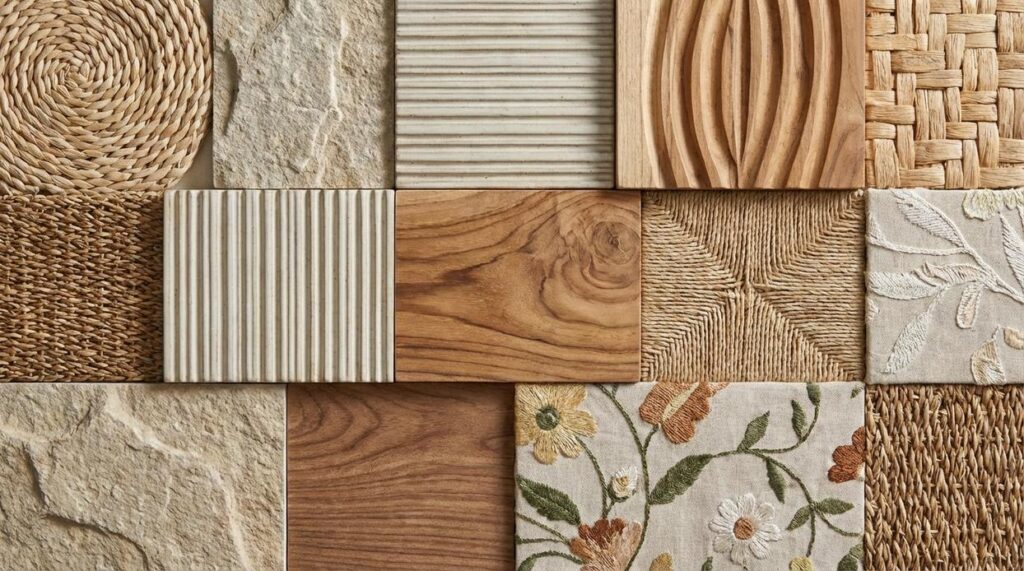

If you’ve noticed curved furniture, earthy color palettes, and vintage accents resurfacing in stylish homes lately, you’re not imagining it. The retro interior design comeback is reshaping modern spaces—blending nostalgia with contemporary functionality in ways that feel fresh, not outdated.
This article is designed to help you understand why retro design is trending again, which elements are worth incorporating, and how to balance vintage charm with modern comfort. Whether you’re refreshing a single room or planning a full redesign, you’ll find practical ideas, styling tips, and space-smart techniques you can actually use.
Our insights are grounded in ongoing analysis of evolving decor trends, practical home styling experience, and proven space optimization strategies. Instead of vague inspiration, you’ll get clear guidance on materials, color schemes, furniture choices, and layout adjustments that make retro aesthetics work beautifully in today’s homes.
Let’s explore how to bring timeless character into your space—without sacrificing modern livability.
Vintage style isn’t just nostalgia; it’s measurable momentum. According to Pinterest’s 2024 trend report, searches for “vintage living room” rose over 60% year over year (Pinterest Predicts, 2024). That surge signals a broader retro interior design comeback grounded in comfort and character. However, many homeowners worry older pieces will feel heavy or outdated. In reality, studies from Zillow show homes with curated vintage accents can sell for more than expected because buyers perceive them as unique (Zillow Research, 2023). So, start small: pair a mid-century chair with a minimalist sofa. The contrast feels intentional, not cluttered. It truly works beautifully.
Beyond Nostalgia: The Psychology Behind the Vintage Revival
The Quest for Authenticity
In an era of flat-pack sameness, vintage offers narrative. A 1960s teak credenza carries craftsmanship marks and history (the design equivalent of vinyl over streaming). Psychologists link meaningful objects to stronger identity formation; a 2020 Journal of Environmental Psychology study found that personalized spaces increase well-being and self-expression. Vintage pieces feel storied, not stamped out.
Sustainability as a Style Driver
Buying secondhand isn’t just aesthetic—it’s measurable impact. The EPA reports that over 12 million tons of furniture waste enter U.S. landfills annually. Choosing older, solid-wood construction reduces demand for fast-furniture and extends product lifecycles (pro tip: check dovetail joints for durability). Quality hardwood frames often outlast modern particleboard alternatives.
Comfort in Classicism
Rounded sofas, warm walnut tones, and tactile fabrics echo earlier decades, offering psychological safety during uncertainty. This retro interior design comeback reflects research from the American Psychological Association showing familiarity reduces stress responses. Sometimes, yesterday’s shapes feel steadier than tomorrow’s trends.
Trend Spotlight: The Clean Lines of Mid-Century Modern
Mid-Century Modern (MCM) design, spanning roughly 1945–1969, is rooted in organic shapes, minimal ornamentation, functional furniture, and a seamless connection to nature. Think low-slung sofas, tapered legs, and pieces that look sculpted rather than assembled. As architect Ludwig Mies van der Rohe famously said, “Less is more.” (And MCM took that personally.)
Why It’s Everywhere Again
Call it a retro interior design comeback—but this revival isn’t just nostalgia. “I just want my space to breathe,” a client recently told me while staring at her overstuffed sectional. MCM answers that craving. Its uncluttered profiles and space-smart layouts align perfectly with today’s minimalist lifestyles and smaller urban homes. Some critics argue it feels dated or overly curated. Fair. But when done right, it feels intentional—not like a 1960s time capsule.
How to Integrate It (With a Modern Twist)
The 80/20 Rule: Anchor your room with one statement piece—a walnut credenza or Eames-style armchair—then keep the rest contemporary.
Material Harmony: Pair warm teak with matte black metal or concrete. The contrast keeps things fresh.
Color Palette: Start neutral. Then add mustard yellow or burnt orange through pillows or art. (Yes, avocado green can work—carefully.)
“It feels clean, but not cold,” another homeowner said. That’s the sweet spot.
Trend Spotlight: The Sophisticated Glamour of Art Deco
I remember walking into a 1920s apartment lobby in Chicago—brass elevator doors, marble floors, and a mirror framed in sharp geometric lines. It felt like stepping onto a Great Gatsby set (minus the champagne tower). That’s Art Deco.
Art Deco is a design movement from the 1920s–1930s defined by geometric patterns (think zigzags and fan shapes), symmetry (balanced layouts), rich materials like velvet, brass, and marble, and bold jewel tones such as emerald and sapphire. Unlike minimalism, which favors restraint, Deco embraces drama.
So why now? In a sea of beige interiors, this retro interior design comeback delivers personality. Some argue maximalism feels excessive or impractical. Fair. However, when done thoughtfully, Deco adds structure and polish rather than clutter (it’s glam, not chaos).
How to Integrate It—With a Modern Twist
| Element | How to Use It Subtly |
|---|---|
| Geometric Mirrors | Hang above a sleek console |
| Brass Lighting | Swap in a sculptural fixture |
| Velvet Accents | Add cushions or a headboard |
Additionally, try a bold fan-patterned wallpaper on one accent wall. If that feels daring, start smaller. In fact, when I updated my bedroom, a channel-tufted headboard alone transformed the space.
For more layout ideas, explore open concept vs zoned living what homeowners prefer now.
The Ultimate Guide to Mixing Vintage and Modern Decor
Blending vintage and modern decor sounds simple—until you try it. One minute your space feels curated, the next it looks like a yard sale collided with a showroom. Let’s clarify how to do it right.
Principle 1: Find a Common Thread
A common thread means a shared visual element—usually color, texture, or material—that ties different pieces together. For example, a 1970s wooden chair and a sleek contemporary sofa can coexist if both feature navy accents. That shared hue acts like a visual handshake (yes, furniture can “agree” with each other). Interior designers often rely on color harmony principles to create cohesion (Sherwin-Williams Color Theory Guide).
Principle 2: Balance the Scale
Scale refers to the size and visual weight of objects in a room. An ornate Victorian cabinet has heavy visual weight, so pairing it with minimalist decor prevents overcrowding. Think of it like styling an outfit: if you wear bold boots, you keep the rest simple. Conversely, several small vintage items—like brass candlesticks—can be anchored by a large modern art piece.
Principle 3: The Power of Repetition
Repetition builds rhythm. If a vintage lamp features brass, echo that brass in modern drawer pulls or frames. This repetition subtly signals intention rather than randomness (a key distinction during any retro interior design comeback).
Space Optimization Hack
In small apartments, choose vintage pieces with clean lines—like a Mid-Century Modern credenza. Mid-Century Modern (MCM) refers to designs from roughly 1945–1969 known for simplicity and function (MoMA Design Collection). It adds character without overwhelming square footage. Pro tip: prioritize hidden storage to keep visual clutter in check.
Crafting a Home with Character and Soul
You now have a clear framework to turn “nice” into MEANINGFUL. The fear of a dated, mismatched space fades when you focus on BALANCE (how visual weight is distributed), SCALE (how large pieces relate to room size), and a controlled color palette. A walnut credenza from the 1960s, for example, pairs beautifully with a streamlined modern sofa when tones are repeated through textiles or art. That’s the quiet power behind the retro interior design comeback—it’s curated, not chaotic.
Start small. Choose one room. Add one vintage piece. Layer thoughtfully. Edit boldly. Your home should tell YOUR story, not a showroom’s.
Bring Retro Style Back With Confidence
You came here looking for clarity on how to embrace the retro interior design comeback without making your space feel outdated or overwhelming. Now you have the direction, inspiration, and practical ideas to bring vintage charm into your home in a way that feels fresh and intentional.
The biggest challenge with retro design is knowing how to balance bold character with modern comfort. Too much can feel chaotic. Too little can feel flat. But when you apply the right colors, textures, statement pieces, and layout strategies, you create a space that feels curated—not cluttered.
The opportunity is yours: start small, choose one retro-inspired focal point, layer in complementary accents, and build from there. Pay attention to proportion, lighting, and functionality so your space looks stunning and works for your lifestyle.
If you’re ready to transform your home but still feel unsure about pulling it all together, explore our expert decor guides and styling insights. We’re a trusted source for modern interior techniques and space-smart styling ideas designed to solve exactly this problem. Dive into our latest tips and start designing a retro-inspired space you’ll truly love today.
 FOUNDER & CEO
There is a specific skill involved in explaining something clearly — one that is completely separate from actually knowing the subject. Veronicay Simpsonita has both. They has spent years working with decor trends and shifts in a hands-on capacity, and an equal amount of time figuring out how to translate that experience into writing that people with different backgrounds can actually absorb and use.
Veronicay tends to approach complex subjects — Decor Trends and Shifts, Pal Modern Interior Techniques, Highlight Hub being good examples — by starting with what the reader already knows, then building outward from there rather than dropping them in the deep end. It sounds like a small thing. In practice it makes a significant difference in whether someone finishes the article or abandons it halfway through. They is also good at knowing when to stop — a surprisingly underrated skill. Some writers bury useful information under so many caveats and qualifications that the point disappears. Veronicay knows where the point is and gets there without too many detours.
The practical effect of all this is that people who read Veronicay's work tend to come away actually capable of doing something with it. Not just vaguely informed — actually capable. For a writer working in decor trends and shifts, that is probably the best possible outcome, and it's the standard Veronicay holds they's own work to.
FOUNDER & CEO
There is a specific skill involved in explaining something clearly — one that is completely separate from actually knowing the subject. Veronicay Simpsonita has both. They has spent years working with decor trends and shifts in a hands-on capacity, and an equal amount of time figuring out how to translate that experience into writing that people with different backgrounds can actually absorb and use.
Veronicay tends to approach complex subjects — Decor Trends and Shifts, Pal Modern Interior Techniques, Highlight Hub being good examples — by starting with what the reader already knows, then building outward from there rather than dropping them in the deep end. It sounds like a small thing. In practice it makes a significant difference in whether someone finishes the article or abandons it halfway through. They is also good at knowing when to stop — a surprisingly underrated skill. Some writers bury useful information under so many caveats and qualifications that the point disappears. Veronicay knows where the point is and gets there without too many detours.
The practical effect of all this is that people who read Veronicay's work tend to come away actually capable of doing something with it. Not just vaguely informed — actually capable. For a writer working in decor trends and shifts, that is probably the best possible outcome, and it's the standard Veronicay holds they's own work to.