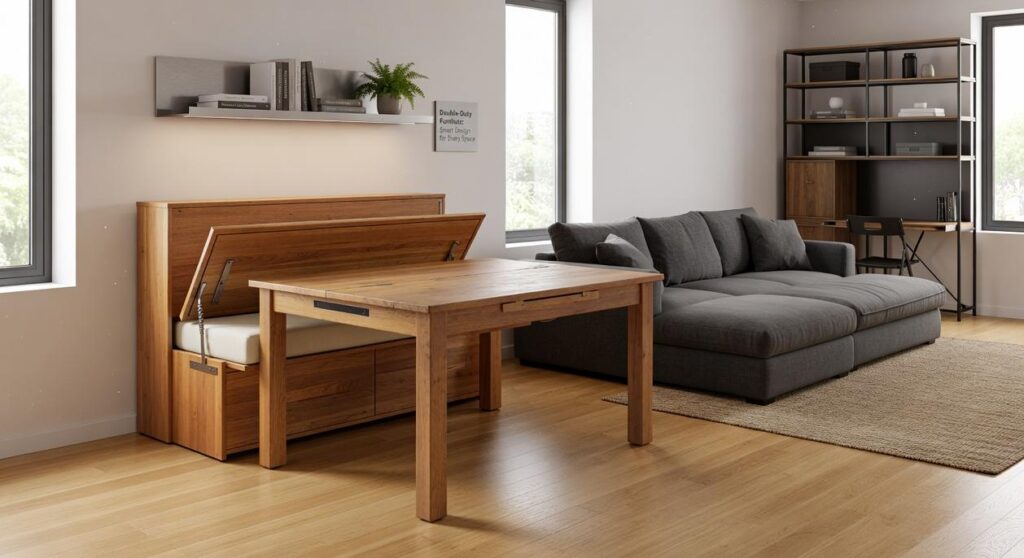

If you’re searching for practical ways to transform your home without costly renovations, you’re in the right place. This article is designed to give you actionable, easy-to-follow insights that help you make smarter styling decisions, maximize your space, and create a cohesive look that reflects your personal taste. From modern interior techniques to clever storage solutions, we break down exactly what works—and why.
Whether you’re redesigning a small apartment, refreshing a single room, or planning a full home makeover, these room layout planning tips will help you avoid common mistakes and make confident design choices. Our guidance is grounded in current decor trends, proven space optimization strategies, and hands-on experience analyzing what truly elevates a room’s functionality and aesthetic appeal.
By the end, you’ll have a clear roadmap to design a space that feels intentional, balanced, and uniquely yours—without the overwhelm.
From Awkward to Awesome: The Blueprint for a Perfect Room Layout
That room that feels “off”—too tight, oddly empty, or impossible to walk through—is usually a layout issue, not a furniture problem. A plan focuses on function first, style second. Instead of shopping, start with strategy…
- Measure walls, windows, and traffic paths to ensure 30–36 inch walkways.
- Anchor the space with a focal point (like a fireplace or media console) to create balance.
- Zone areas with rugs and lighting for flow and purpose.
These room layout planning tips mirror design methods, turning cluttered rooms into cohesive spaces.
Step 1: Master Your Space with Measurements
Before anything else, measure. I learned this the hard way after buying a gorgeous sectional that wouldn’t fit through my apartment doorway (yes, I tried every angle). Since then, I treat measurements as non-negotiable.
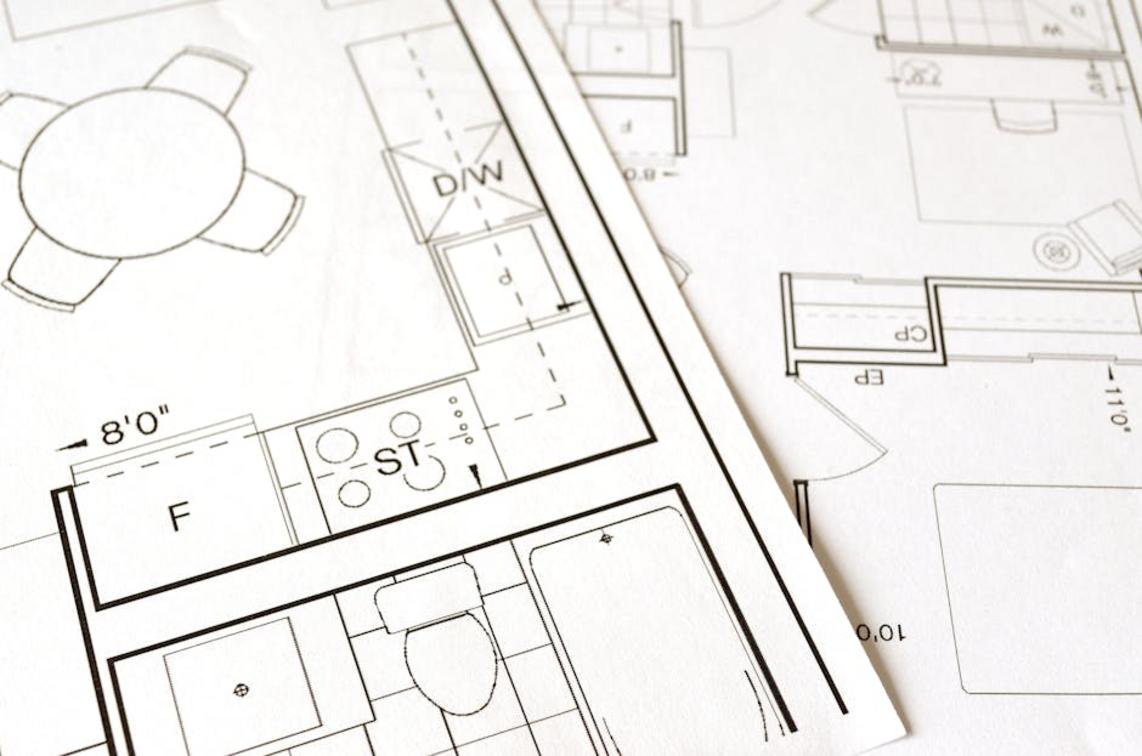
First, gather the basics: a tape measure, pencil, graph paper, or a simple floor plan app. Then, measure the room’s length and width, ceiling height, and the exact size and placement of windows, doors, and architectural features like fireplaces. These details shape everything.
Next, create a to-scale sketch. In other words, draw a simple visual map so you can test layouts without dragging heavy furniture across the floor. It’s far easier to erase pencil than patch drywall.
Pro tip: don’t forget to measure your existing furniture pieces. Surprisingly, many people skip this step.
Finally, use room layout planning tips to refine placement before committing. A little math now prevents costly mistakes later.
Step 2: Define the Room’s Primary Purpose
Before you move a single sofa, remember this principle: function over form. In other words, how the room is used should dictate its layout—not the other way around. According to a 2023 Houzz survey, 68% of homeowners said improving functionality was their top renovation priority, outranking aesthetics.
Start with guiding questions. Is this a formal living room for entertaining guests? A relaxed family den for movie nights? Or a multi-purpose space pulling double duty? (Because yes, one room often has to do it all.)
Function changes everything. An entertainment-focused room prioritizes seating that faces the TV. A conversational space, by contrast, uses inward-facing seating groups to encourage dialogue—an approach supported by environmental psychology research on social interaction patterns.
For multi-functional rooms, create “zones.” A reading nook with a chair and lamp in one corner. A workspace along a wall. Thoughtful room layout planning tips like zoning increase usability without adding square footage.
Step 3: Anchor Your Design with a Focal Point
Every well-designed room begins with a focal point—the first feature that pulls your gaze the moment you step inside. It could be a crackling fireplace, sunlight spilling through a large window, or a bold piece of art that practically hums with color. A focal point (the visual anchor of a space) grounds the room and tells your furniture where to “stand.” Sofas, chairs, and rugs should orient toward it, creating a layout that feels balanced and intentional.
But what if your room feels… bland? No grand window, no dramatic mantle. Create one. Hang oversized artwork, paint a moody accent wall, or install a substantial media unit or bookshelf. Suddenly, the room has a heartbeat.
Pro tip: before buying anything, Use room layout planning tips to map placement around your focal point.
Need help maximizing tight spaces first? Check out small apartment hacks to make every square foot count.
Identify or create your focal point before placing a single piece of furniture.
Step 4: Crafting Flow and Conversation Zones
Once your furniture is in the room, the next challenge is flow—how people naturally move through the space. In interior design, traffic patterns (the pathways people use to walk through a room) should feel effortless, not like an obstacle course. A helpful standard is the 3-foot rule: leave at least 36 inches of clearance for major walkways. This ensures guests aren’t sidestepping chairs like they’re in a sitcom mishap.
Equally important, however, is conversation distance. Seating should be close enough for relaxed dialogue without raised voices—typically 4 to 8 feet apart. Think cozy dinner party, not across-the-street shouting. For comfort and function:
- Keep 14–18 inches between a sofa and coffee table.
- Allow 24–30 inches behind dining chairs so guests can pull them out easily.
Now, here’s where many people disagree: some believe pushing furniture against walls makes a room feel larger. While that can work in tight spaces, floating furniture slightly away from walls often creates a more intimate, layered look (and yes, it feels more designer-approved). Even a few inches can visually anchor the room.
For quick wins, keep these room layout planning tips in mind:
- Don’t block doorways or natural pathways.
- Create small, secondary seating groups in larger rooms.
- Balance large items with smaller accent pieces.
Ultimately, good flow isn’t just about measurements—it’s about how the room feels. When movement is natural and conversations happen effortlessly, you’ve nailed it.
Step 5: Layering with Rugs, Lighting, and Decor
Layering transforms a basic layout into a space that feels intentional—and lived in.
-
Anchor with an area rug. A properly sized rug defines a zone and visually connects furniture. At least the front legs of all main seating should be on the rug. The benefit? Instant cohesion (no more “floating sofa” effect).
-
Use layered lighting. Combine ambient (overall glow), task (reading or cooking), and accent (highlighting art). This creates depth and flexibility—think movie night versus productivity mode.
-
Add final touches. Side tables, lamps, and plants should complement, not crowd. Follow room layout planning tips to keep flow natural and clutter-free.
Bringing Your Vision to Life
I used to rush straight into moving furniture, convinced instinct was enough. It wasn’t. Skipping Measure, Define, Anchor, Arrange, and Layer left me with cramped walkways and a sofa that blocked sunlight. The lesson? Plans beat guesswork.
Start by sketching dimensions, then clarify how you live. Anchor the room with a focal piece, arrange for flow, and layer lighting and texture for depth. Follow room layout planning tips to avoid my mistakes.
• Measure twice before buying.
• Test layouts on paper first.
A thoughtful layout maximizes utility and enjoyment—experiment before lifting furniture.
Bring Your Space Together with Confidence
You came here looking for practical ways to make your space feel balanced, functional, and beautifully styled. Now you have the direction and room layout planning tips to confidently arrange furniture, improve flow, and make every square foot work smarter.
A poorly planned layout can make even the most beautiful decor feel cramped, awkward, or unfinished. That frustration of a room that just doesn’t “feel right” often comes down to placement, proportion, and flow. The good news? With the right strategy, you can transform any room into a space that feels intentional and inviting.
Now it’s time to take action. Start by measuring your space, mapping out focal points, and applying these proven layout techniques one room at a time. For more expert-backed styling insights and space optimization guides trusted by modern home enthusiasts, explore our latest decor resources and put your plan into motion today. Your perfectly balanced space starts with the next smart move.
 Head of Content Strategy
There is a specific skill involved in explaining something clearly — one that is completely separate from actually knowing the subject. Fredrickien Hunteron has both. They has spent years working with decor trends and shifts in a hands-on capacity, and an equal amount of time figuring out how to translate that experience into writing that people with different backgrounds can actually absorb and use.
Fredrickien tends to approach complex subjects — Decor Trends and Shifts, Pal Modern Interior Techniques, Space Optimization Hacks being good examples — by starting with what the reader already knows, then building outward from there rather than dropping them in the deep end. It sounds like a small thing. In practice it makes a significant difference in whether someone finishes the article or abandons it halfway through. They is also good at knowing when to stop — a surprisingly underrated skill. Some writers bury useful information under so many caveats and qualifications that the point disappears. Fredrickien knows where the point is and gets there without too many detours.
The practical effect of all this is that people who read Fredrickien's work tend to come away actually capable of doing something with it. Not just vaguely informed — actually capable. For a writer working in decor trends and shifts, that is probably the best possible outcome, and it's the standard Fredrickien holds they's own work to.
Head of Content Strategy
There is a specific skill involved in explaining something clearly — one that is completely separate from actually knowing the subject. Fredrickien Hunteron has both. They has spent years working with decor trends and shifts in a hands-on capacity, and an equal amount of time figuring out how to translate that experience into writing that people with different backgrounds can actually absorb and use.
Fredrickien tends to approach complex subjects — Decor Trends and Shifts, Pal Modern Interior Techniques, Space Optimization Hacks being good examples — by starting with what the reader already knows, then building outward from there rather than dropping them in the deep end. It sounds like a small thing. In practice it makes a significant difference in whether someone finishes the article or abandons it halfway through. They is also good at knowing when to stop — a surprisingly underrated skill. Some writers bury useful information under so many caveats and qualifications that the point disappears. Fredrickien knows where the point is and gets there without too many detours.
The practical effect of all this is that people who read Fredrickien's work tend to come away actually capable of doing something with it. Not just vaguely informed — actually capable. For a writer working in decor trends and shifts, that is probably the best possible outcome, and it's the standard Fredrickien holds they's own work to.