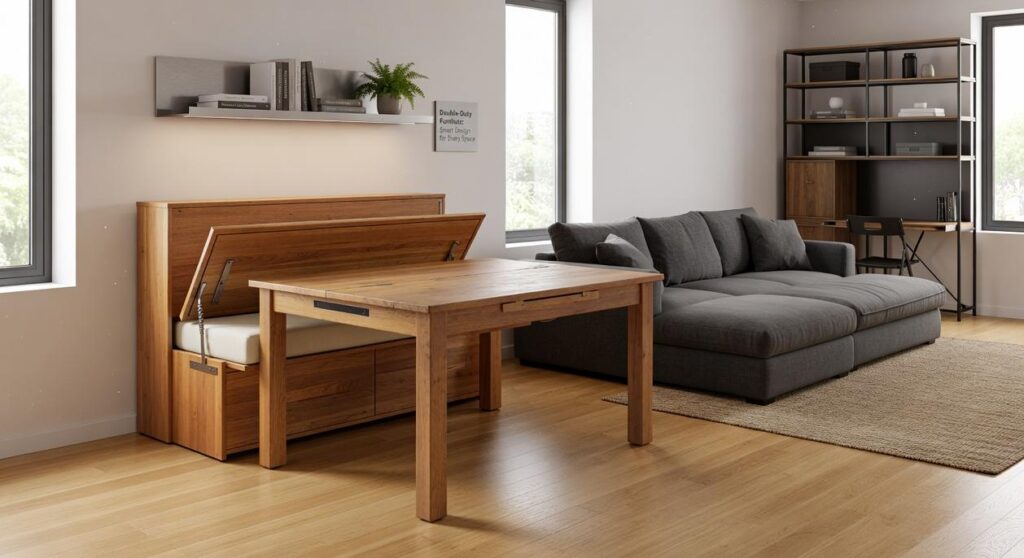

If you’re searching for smart ways to reduce clutter without sacrificing style, you’re in the right place. Modern homes demand more from every square foot—and that’s where hidden storage furniture ideas come in. This article is designed to help you discover practical, design-forward solutions that keep your space organized while maintaining a clean, elevated aesthetic.
From multifunctional seating to cleverly concealed compartments, we’ll explore space-saving techniques that blend seamlessly into contemporary interiors. Whether you’re styling a small apartment or optimizing a spacious home, these ideas focus on maximizing functionality without compromising visual appeal.
Our insights are grounded in current decor trends, modern interior techniques, and proven space-optimization strategies used by design enthusiasts and professionals alike. You’ll walk away with actionable inspiration you can immediately apply—turning overlooked areas into efficient, beautiful storage solutions that truly transform the way you live.
Reclaim Your Space: Storage That Hides in Plain Sight
The average U.S. home contains over 300,000 items (LA Times), so clutter isn’t a personal failure—it’s math. The real challenge? Balancing editorial-worthy style with daily functionality. Some argue that adding more storage just means adding bulk. But well-designed pieces prove otherwise.
Consider hidden storage furniture ideas that blend seamlessly into your layout:
- Ottomans with lift-tops that conceal blankets and remotes.
- Platform beds with integrated drawers that replace bulky dressers.
A 2023 Houzz survey found 58% of homeowners prioritize built-in storage during renovations—because subtle solutions maintain clean sightlines. (Think less storage unit, more James Bond gadget.)
Style and practicality can, in fact, coexist.
The Living Room: Conceal Clutter in Your Social Hub
The living room is where life happens—movie marathons, impromptu naps, and the occasional “where’s-the-remote” meltdown. The trick is keeping it functional without looking like a storage unit. That’s where smart, hidden storage furniture ideas earn their keep.
1. The Lift-Top Coffee Table
A lift-top coffee table is a modern multitasker. The surface elevates into a work desk (perfect for laptops or takeout nights), revealing a deep compartment underneath for blankets, remotes, and magazines. Pay attention to the mechanism: gas lifts operate smoothly and quietly, while spring systems are more affordable but may wear faster. Materials matter too—solid wood feels timeless, metal leans industrial, and lacquer delivers a high-gloss contemporary vibe. Quality hardware is the difference between effortless lift and daily frustration.
2. The Smart Ottoman
Ottomans are no longer just footrests. Large, hollow designs can stash toys, gaming consoles, or guest linens. Modular versions can separate into extra seating when friends visit (because someone always brings a plus-one). Some critics argue ottomans become “junk drawers in disguise.” Fair—but with simple basket organizers inside, they stay surprisingly disciplined.
3. The Sleek Media Console
Choose consoles with solid, handle-free fronts and push-to-open doors. Integrated cable management hides wires completely, creating a clean, minimalist façade. It’s the design equivalent of closing 37 browser tabs at once.
Speculation: As homes get smaller and tech gets smarter, expect more motorized panels, wireless charging surfaces, and modular storage hybrids to dominate future living rooms.
The Bedroom: Your Serene and Secretly Organized Sanctuary
A beautiful bedroom should feel calm. However, calm doesn’t happen by accident—it’s engineered. That’s where strategic, often-overlooked design details make all the difference.
The Hydraulic Lift Bed
At first glance, it looks like any modern bed. Yet with a gentle lift of the mattress platform (thanks to gas-lift hydraulics), an entire under-bed vault is revealed. Unlike traditional drawer beds—which require side clearance and awkward pulling angles—a hydraulic lift bed uses vertical space, not floor space. That means no blocked drawers when nightstands sit too close (we’ve all been there).
This concealed compartment is ideal for seasonal clothing, luggage, or extra duvets. In fact, according to the National Association of Home Builders, storage remains one of the top homeowner priorities in bedroom design. Pro tip: Use soft storage bins inside to create zones so the space doesn’t become a black hole of forgotten blankets.
The Multi-Functional Headboard
Now consider the headboard. Instead of a simple upholstered panel, advanced designs integrate hidden shelving, flip-down compartments, and built-in charging stations. As a result, bulky nightstands become optional. Critics might argue built-ins limit flexibility. Fair point. However, integrated storage reduces visual clutter—something UCLA’s Center on Everyday Lives of Families links to lower stress levels.
The Full-Length Storage Mirror
Finally, the full-length mirror that swings open to reveal slim shelving delivers double impact. It reflects light and stores jewelry, cosmetics, or watches in a footprint barely wider than a picture frame.
When paired thoughtfully, these hidden storage furniture ideas outperform standard solutions. For even smarter arrangements, explore layout planning tips to improve room flow and function: https://mintpaldecor.com.co/layout-planning-tips-to-improve-room-flow-and-function/.
Ingenious Designs for Every Nook and Cranny
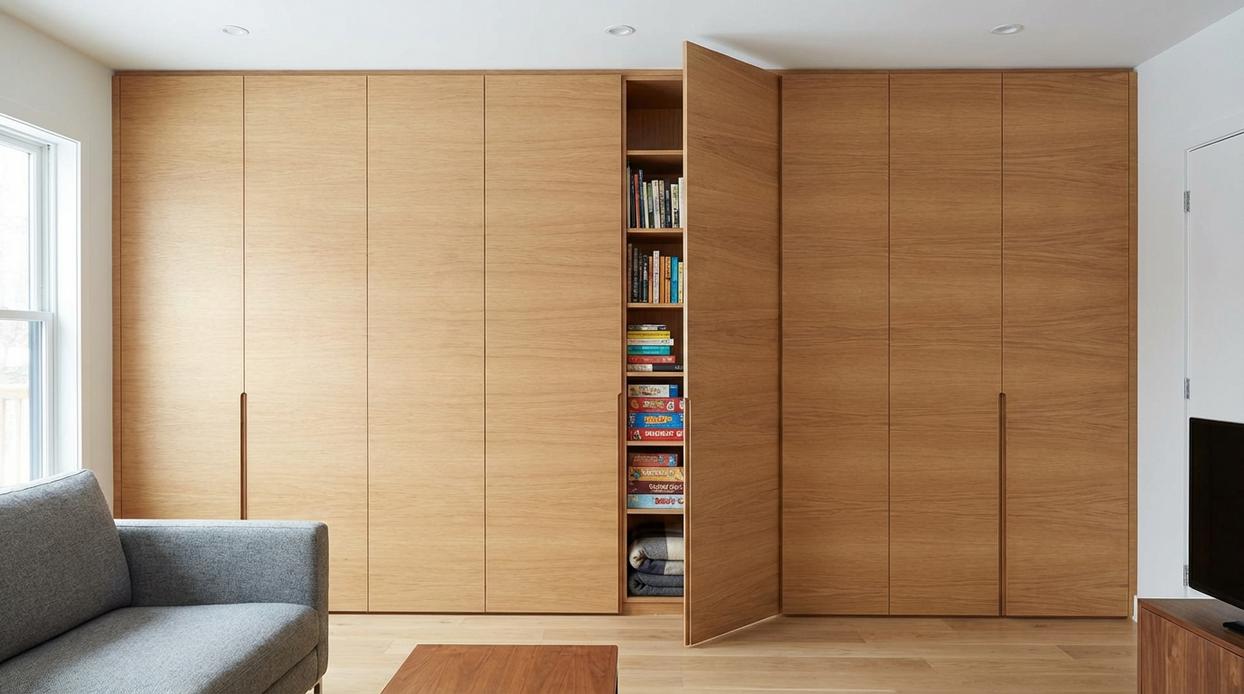
Small spaces demand big imagination. Take The Convertible Wall Desk: a framed artwork or slim cabinet that folds down into a sturdy workspace. In studio apartments, it moonlights as décor by day and productivity hub by night (very Clark Kent). Critics argue fold-down desks feel flimsy, but modern hardware systems support significant weight when properly installed.
Next, The Dining Bench with a Secret turns breakfast nooks into storage powerhouses. Hinged seats conceal placemats, seasonal décor, or craft supplies, reducing visual clutter. Some say benches are less comfortable than chairs; add tailored cushions and the debate fades. Pro tip: install soft-close hinges to protect little fingers.
Finally, The Staircase Drawers redefine unused risers as pull-out compartments for shoes, tools, or cleaning supplies. Skeptics worry about structural integrity, yet custom millwork preserves support when engineered correctly.
Looking ahead, it’s speculation, but multifunctional living will likely dominate urban housing trends. As square footage shrinks, hidden storage furniture ideas may become standard rather than special. The future home might treat every inch as opportunity (because why waste it?). Smart homeowners will prioritize adaptability over excess, choosing pieces that evolve with their routines and seasons alike without sacrificing style or comfort over time gracefully.
How to Choose Furniture That Works as Hard as You Do
In cities like Chicago, where walk-ups and hallways are the norm, mechanism quality matters. Prioritize smooth soft-close hinges and hydraulic lifts (the kind contractors spec for condo builds). If it squeaks on the showroom floor, it won’t survive life.
Match materials to lifestyle. A stain-resistant performance fabric ottoman handles coffee spills; kiln-dried hardwood with scratch-resistant finish stands up to pets.
Measure twice, buy once. Check footprint and clearance for doors and lift-tops. Explore hidden storage furniture ideas to maximize square foot.
Pro tip: Test every moving part before checkout.
Designing a Smarter, More Streamlined Home
Last year, my living room looked like a storage unit exploded. Books stacked on the floor, blankets draped everywhere (I called it “creative chaos”). Then I discovered hidden storage furniture ideas and everything shifted.
The best storage is the kind you don’t see. Multi-functional pieces—like ottomans with compartments or beds with built-in drawers—quietly carry the load. A storage bench by my entryway now swallows shoes whole.
Some argue minimalism feels sterile. I disagree. When clutter disappears, personality stands out.
Start with your messiest corner. Imagine it calmer, clearer, lighter. That’s your first redesign today.
Transform Your Space with Smarter Storage Choices
You started this guide looking for practical ways to make your space feel bigger, cleaner, and more functional without sacrificing style. Now you’ve seen how smart layouts, multifunctional pieces, and especially hidden storage furniture ideas can completely change the way your home looks and feels.
Clutter is more than just an eyesore — it makes rooms feel cramped, stressful, and inefficient. The right storage solutions don’t just organize your belongings; they give you back breathing room, visual calm, and better daily flow. When every piece serves a purpose, your home starts working for you instead of against you.
Now it’s time to take action. Start by identifying one high-traffic area in your home that feels overcrowded. Replace bulky, single-purpose furniture with multifunctional pieces that discreetly store what you use every day. Small changes can create dramatic results.
If you’re ready to upgrade your home with proven styling strategies and space-saving solutions trusted by thousands of decor enthusiasts, explore our expert guides and start implementing these ideas today. Your clutter-free, beautifully optimized space is closer than you think — take the first step now.
 FOUNDER & CEO
There is a specific skill involved in explaining something clearly — one that is completely separate from actually knowing the subject. Veronicay Simpsonita has both. They has spent years working with decor trends and shifts in a hands-on capacity, and an equal amount of time figuring out how to translate that experience into writing that people with different backgrounds can actually absorb and use.
Veronicay tends to approach complex subjects — Decor Trends and Shifts, Pal Modern Interior Techniques, Highlight Hub being good examples — by starting with what the reader already knows, then building outward from there rather than dropping them in the deep end. It sounds like a small thing. In practice it makes a significant difference in whether someone finishes the article or abandons it halfway through. They is also good at knowing when to stop — a surprisingly underrated skill. Some writers bury useful information under so many caveats and qualifications that the point disappears. Veronicay knows where the point is and gets there without too many detours.
The practical effect of all this is that people who read Veronicay's work tend to come away actually capable of doing something with it. Not just vaguely informed — actually capable. For a writer working in decor trends and shifts, that is probably the best possible outcome, and it's the standard Veronicay holds they's own work to.
FOUNDER & CEO
There is a specific skill involved in explaining something clearly — one that is completely separate from actually knowing the subject. Veronicay Simpsonita has both. They has spent years working with decor trends and shifts in a hands-on capacity, and an equal amount of time figuring out how to translate that experience into writing that people with different backgrounds can actually absorb and use.
Veronicay tends to approach complex subjects — Decor Trends and Shifts, Pal Modern Interior Techniques, Highlight Hub being good examples — by starting with what the reader already knows, then building outward from there rather than dropping them in the deep end. It sounds like a small thing. In practice it makes a significant difference in whether someone finishes the article or abandons it halfway through. They is also good at knowing when to stop — a surprisingly underrated skill. Some writers bury useful information under so many caveats and qualifications that the point disappears. Veronicay knows where the point is and gets there without too many detours.
The practical effect of all this is that people who read Veronicay's work tend to come away actually capable of doing something with it. Not just vaguely informed — actually capable. For a writer working in decor trends and shifts, that is probably the best possible outcome, and it's the standard Veronicay holds they's own work to.