
Trends come and go, but a well-designed home should feel timeless, personal, and practical. This guide moves beyond fleeting fads to explore the core principles shaping interior design trends 2026, helping you create a sanctuary that reflects who you are while staying effortlessly current. If you’ve ever felt overwhelmed by endless online inspiration that looks beautiful but feels unrealistic for everyday living, you’re not alone. Here, you’ll find a curated, experience-backed perspective focused on what truly works in real homes—along with actionable ideas to craft a space that is functional, inviting, and designed to evolve with you.
Biophilic Futurism: Merging Organic Forms with Smart Design
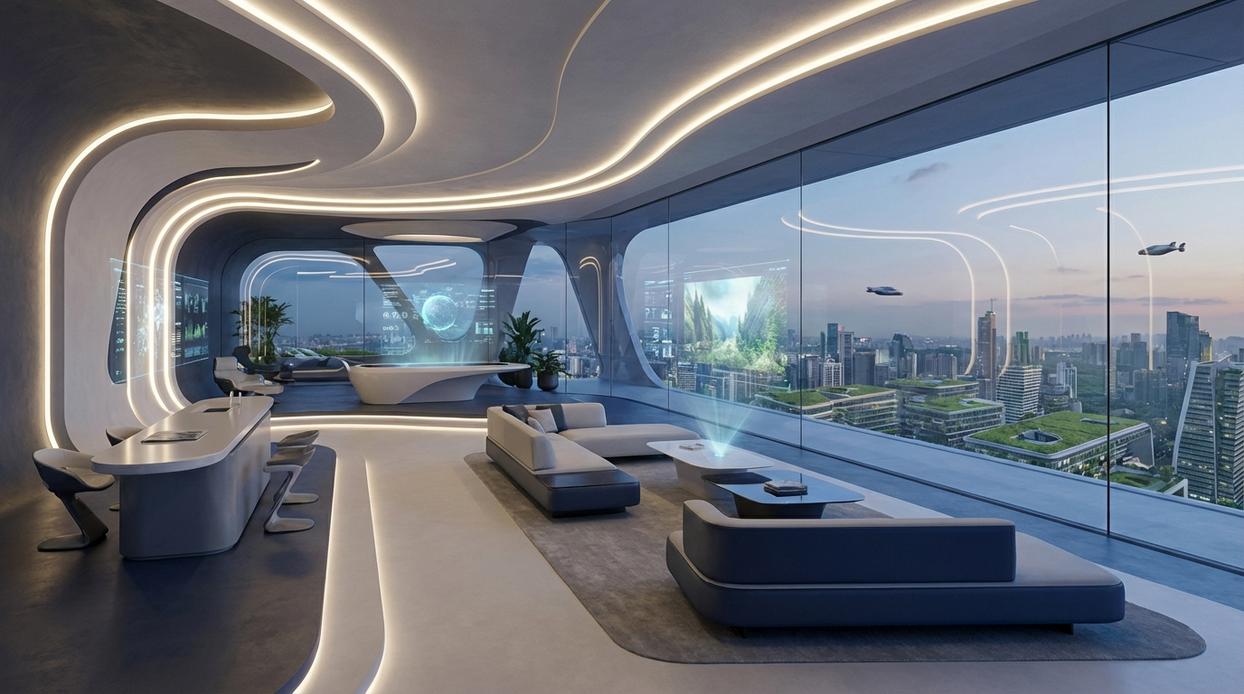
Biophilic futurism isn’t about tossing a fern in the corner and calling it a day. It’s about weaving nature into the bones of your home so deeply that technology and organic life feel inseparable. In my opinion, this is one of the most exciting shifts in interior design trends 2026—because it moves beyond aesthetics and into how we actually live.
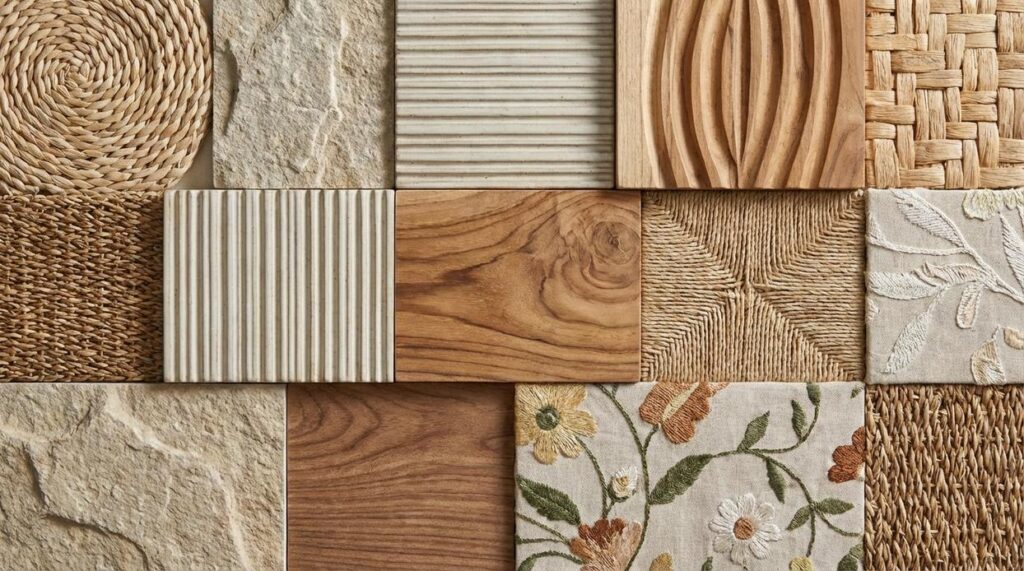
At its core, biophilic design means designing spaces that mimic natural systems. Think living walls (vertical gardens installed directly onto interior surfaces), automated irrigation systems that self-water indoor gardens, and materials like raw wood, stone, cork, and even mycelium—an eco-friendly material grown from fungi roots (yes, really).
Some critics argue this sounds high-maintenance and expensive. And sure, poorly planned systems can be. But modern automation makes plant care almost foolproof. If we trust smart thermostats, why not smart irrigation? The payoff—cleaner air and lower stress levels—is well documented (World Green Building Council reports improved well-being in biophilic spaces).
Smart Nature in Action
Here’s where it gets interesting:
- Living walls that double as room dividers in open-plan spaces.
- Automated drip irrigation to reduce water waste.
- Circadian rhythm lighting—LED systems that shift color temperature to mimic daylight patterns, supporting sleep cycles (Harvard Health notes light exposure impacts melatonin production).
Pro tip: Position vertical gardens near natural light sources to reduce energy demand.
I firmly believe THIS IS THE FUTURE of home design. Not cold minimalism. Not tech overload. But spaces that breathe, adapt, and feel alive (because honestly, shouldn’t our homes feel more like sanctuaries than showrooms?)
Retro-Futurism: The Comfort of Yesterday’s Tomorrow
Retro-futurism is the design world’s love letter to how the past imagined the future. Think 1970s conversation pits, 1980s geometric shelving, and today’s streamlined minimalism—all sharing one room without arguing (much). The result is playful optimism grounded in comfort.
Skeptics say it’s just nostalgia with better lighting. They argue that leaning on avocado green and chrome risks turning your home into a movie set from 2001: A Space Odyssey. Fair point. But when executed thoughtfully, retro-futurism isn’t cosplay—it’s contrast. And contrast creates visual energy, a principle long emphasized in interior theory (Ching, Interior Design Illustrated).
Color & Shape
The palette is distinct: terracotta, mustard yellow, and avocado green layered against creamy neutrals. Rounded furniture—curved sofas, arched doorways, circular rugs—softens the geometry of 80s-inspired shelving or grid-patterned wallpaper. These curves aren’t just aesthetic; research in environmental psychology suggests rounded forms feel more welcoming than sharp edges (Vartanian et al., 2013).
Styling Essential
Anchor the room with one high-impact vintage piece: a chrome arc lamp or lacquered sideboard. One is enough. Too many, and you risk time-capsule territory. Pro tip: balance reflective finishes like chrome with matte textiles to prevent glare and visual fatigue.
Balancing Boldness
Bold patterns thrive against neutral backdrops. A geometric rug pops when walls stay warm white. This aligns with interior design trends 2026, which favor expressive accents over maximalist overload. If you’re exploring why minimalism is evolving from stark to soft, start here: https://mintpaldecor.com.co/why-minimalism-is-evolving-from-stark-to-soft/
Retro-futurism works because it blends memory with possibility. It feels familiar—but still forward-thinking (like vinyl records with Bluetooth speakers).
The Fluid Home: Dynamic Spaces for Modern Living
The single-purpose room is fading fast. After all, your dining table is now a desk, your living room doubles as a gym, and your guest room might moonlight as a content studio. Instead of fighting this shift, dynamic design embraces it—and the payoff is freedom.
Modular, transformable furniture leads the charge. Nesting coffee tables that rise into workstations, sofas with hidden storage and charging ports, and movable partition walls allow one room to serve three purposes before dinner (yes, really). The benefit? You gain flexibility without adding square footage—or moving.
Admittedly, some argue that multipurpose spaces feel cluttered or chaotic. However, smart zoning solves that. By layering rugs to define areas and using lighting—pendants for dining, task lamps for work—you create visual boundaries without physical walls. Consequently, your space feels intentional, not improvised.
For even greater calm, consider “disappearing” kitchens or offices with pocket doors and integrated cabinetry. Close them, and the room resets to serene in seconds. That psychological reset alone can lower stress and improve focus.
As interior design trends 2026 continue prioritizing adaptability, fluid spaces offer something invaluable: a home that evolves with you. And ultimately, that means less frustration—and far more possibility.
Tactile palettes are redefining interior design trends 2026, shifting focus from purely visual statements to how a room actually feels. Last winter, I swapped a flat cotton sofa for a boucle one, and guests instantly gravitated toward it (even before noticing the art). Boucle, corduroy, fluted glass, brushed metals, and plaster-effect finishes like limewash and tadelakt create what designers call “tactile layering,” meaning intentional contrast between rough and smooth surfaces. Some minimalists argue texture adds clutter, but I’ve found restraint is the key. Start with one hero fabric, then balance it with subtle matte walls and metal accents. Depth follows.
Your Home, Reimagined and Ready for the Future
You set out to design a home that feels inspiring, intelligent, and ready for what’s next—and now you have the framework to make it happen. The real power of interior design trends 2026 lies in creating spaces that respond to your lifestyle, engage the senses, and reflect who you are. If you’re feeling stuck with a home that no longer fits your needs, don’t wait for a full overhaul. Start with one room. Add a biophilic touch or a modular upgrade today. Join thousands of design-forward homeowners transforming their spaces—explore more expert-backed ideas now and begin your future-ready makeover.
 FOUNDER & CEO
There is a specific skill involved in explaining something clearly — one that is completely separate from actually knowing the subject. Veronicay Simpsonita has both. They has spent years working with decor trends and shifts in a hands-on capacity, and an equal amount of time figuring out how to translate that experience into writing that people with different backgrounds can actually absorb and use.
Veronicay tends to approach complex subjects — Decor Trends and Shifts, Pal Modern Interior Techniques, Highlight Hub being good examples — by starting with what the reader already knows, then building outward from there rather than dropping them in the deep end. It sounds like a small thing. In practice it makes a significant difference in whether someone finishes the article or abandons it halfway through. They is also good at knowing when to stop — a surprisingly underrated skill. Some writers bury useful information under so many caveats and qualifications that the point disappears. Veronicay knows where the point is and gets there without too many detours.
The practical effect of all this is that people who read Veronicay's work tend to come away actually capable of doing something with it. Not just vaguely informed — actually capable. For a writer working in decor trends and shifts, that is probably the best possible outcome, and it's the standard Veronicay holds they's own work to.
FOUNDER & CEO
There is a specific skill involved in explaining something clearly — one that is completely separate from actually knowing the subject. Veronicay Simpsonita has both. They has spent years working with decor trends and shifts in a hands-on capacity, and an equal amount of time figuring out how to translate that experience into writing that people with different backgrounds can actually absorb and use.
Veronicay tends to approach complex subjects — Decor Trends and Shifts, Pal Modern Interior Techniques, Highlight Hub being good examples — by starting with what the reader already knows, then building outward from there rather than dropping them in the deep end. It sounds like a small thing. In practice it makes a significant difference in whether someone finishes the article or abandons it halfway through. They is also good at knowing when to stop — a surprisingly underrated skill. Some writers bury useful information under so many caveats and qualifications that the point disappears. Veronicay knows where the point is and gets there without too many detours.
The practical effect of all this is that people who read Veronicay's work tend to come away actually capable of doing something with it. Not just vaguely informed — actually capable. For a writer working in decor trends and shifts, that is probably the best possible outcome, and it's the standard Veronicay holds they's own work to.