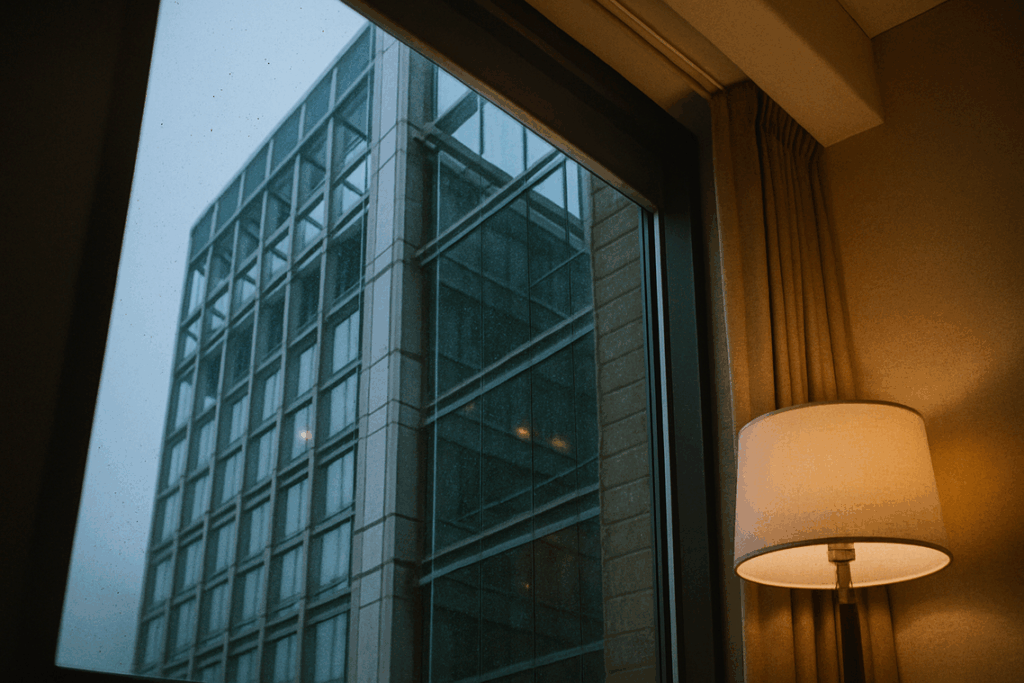

Clean lines. Striking angles. Confident shapes. contemporary interior geometry has the power to transform an ordinary room into a refined, visually dynamic space. Yet many homeowners hesitate—worried bold patterns or sharp silhouettes might feel cold, chaotic, or too trend-driven. This guide is designed to change that. Drawing on years of hands-on interior styling experience, it breaks down how to thoughtfully incorporate geometric elements without overwhelming your space. You’ll learn how to balance structure with warmth, choose patterns that complement your aesthetic, and place statement pieces with intention—so your home feels modern, harmonious, and unmistakably inviting.
The Foundations: Core Principles of Geometric Decor
Geometric decor isn’t just about sharp lines and trendy patterns—it’s about creating visual harmony that makes a space feel intentional. When you understand the core principles, you gain control over how a room looks and feels (instead of hoping your new rug “just works”).
Rhythm and Repetition is where it starts. Repeating shapes—like hexagon tiles in a bathroom or triangle motifs in textiles—creates visual flow. Rhythm, in design terms, means the predictable repetition of elements to guide the eye. The benefit? Your space feels cohesive, not chaotic.
Next, Scale and Proportion. Scale refers to the size of an object in relation to the room, while proportion is how elements relate to each other. Pair a bold geometric accent wall with subtle cushion prints to avoid overwhelm. When balanced well, the room feels layered and professionally styled.
Then there’s Creating a Focal Point. A sculptural light fixture or oversized geometric artwork anchors the room, giving your eye a place to rest. This instantly elevates the overall design.
Finally, Symmetry vs. Asymmetry. Symmetrical layouts feel calm and classic. Asymmetry, on the other hand, adds movement and modern energy—hallmarks of contemporary interior geometry. Master both, and you can shape the mood of any room.
Starting Subtle: Weaving Geometric Accents into Your Decor
If you’re geometry-curious but not ready to turn your living room into a math textbook, start with textiles. Rugs are the easiest entry point. A chevron or diamond pattern adds movement without overwhelming the space (and hides snack crumbs like a champ). Throw pillows with contrasting prints let you test bolder shapes in small doses. Even curtains with a subtle grid design can quietly introduce structure—think of them as the responsible friend who keeps the party stylish.
Wall decor as art is another low-commitment move. Skip the predictable row of identical square frames. Instead, build a gallery wall mixing round, rectangular, and hexagonal frames. The variety creates rhythm and depth, a core idea in contemporary interior geometry. It feels curated rather than cookie-cutter (because nothing says “I gave up” like perfectly matched frames straight out of the box).
Then there’s the power of mirrors. An octagonal, arched, or sunburst mirror works overtime: it reflects light and doubles as sculptural art. Designers often use mirrors to make rooms feel larger (Architectural Digest, 2023), but uniquely shaped ones add personality too.
Finally, don’t underestimate small objects—big impact is real. Geometric vases, angular trays, and bold bookends add a modern edge to shelves and coffee tables. They’re subtle conversation starters (yes, even your bookends can have main-character energy).
- Pro tip: Repeat one shape at least twice in a room for cohesion without going full geometry class.
Making a Statement: Bold Applications of Geometric Design
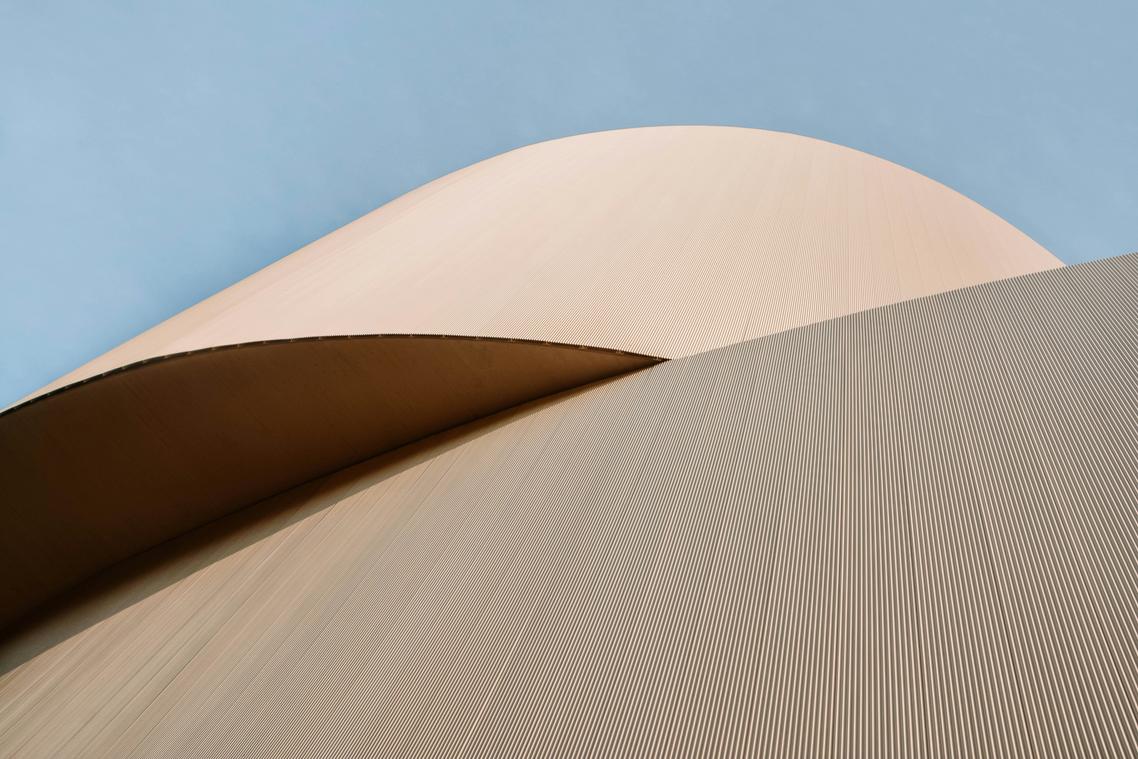
Geometric design isn’t just a trend—it’s a strategic way to add structure, rhythm, and personality to a room. If your space feels flat or forgettable, bold geometry can instantly sharpen it.
1. Feature Walls and Floors
Start from the ground up. Honeycomb (a hexagon-based pattern) and herringbone (a zigzag layout formed by angled rectangles) tiles are high-impact choices for backsplashes and bathroom floors. They create movement without clutter. Some argue bold tile dates quickly. Fair point. However, classic materials—like marble or neutral porcelain—keep the pattern timeless while still embracing contemporary interior geometry. If you’re hesitant, test it in a powder room first (small space, big payoff).
2. Painted Geometry
For a budget-friendly refresh, painter’s tape is your best friend. Map out color-blocked triangles, arches, or intersecting rectangles before applying paint. Measure carefully and use a level—precision is what makes it look intentional rather than accidental. Pro tip: stick to two or three complementary colors to avoid visual overload. This approach works especially well in rentals where tile or wallpaper isn’t practical.
3. Furniture with an Edge
Sometimes the statement piece is the structure itself. Think coffee tables with angular metal bases, asymmetrical bookshelves, or sofas with crisp, linear silhouettes. Clean lines ground a room and pair beautifully with guides on incorporating glass and steel for a sleek modern look.
4. Lighting as Sculpture
Finally, look up. Sputnik chandeliers, caged pendants, and geodesic dome fixtures act like functional art. Even minimal rooms benefit from one dramatic focal point (yes, lighting can absolutely steal the show).
Finding the Balance: Softening the Edges of a Geometric Room
Incorporating organic forms into contemporary interior geometry isn’t just trendy—it’s necessary. A round coffee table or curved armchair interrupts rigid lines (and yes, that tension matters). Some designers insist sharp minimalism feels sophisticated. I disagree. Without curves, rooms feel like showrooms.
Nature is the quiet rebel. Wood grain, stone, and leafy plants break up symmetry and keep spaces from turning sterile.
Layering plush rugs, velvet cushions, and chunky knit throws adds tactile warmth that sharp angles can’t provide. Softness is structure’s secret weapon. Rooms people actually want to inhabit comfortably.
Shape a Home That Reflects You
You came here looking for a way to make geometry feel personal—not overpowering. Now you have the framework to use contemporary interior geometry as a form of self-expression rather than just a passing trend. By understanding balance, scale, and texture, you’ve removed the fear of creating a space that feels cold or chaotic.
The secret is simple: pair bold shapes with soft textures and organic elements to create harmony.
Start small. Choose one piece—a rug, a pillow, a mirror—and build from there. Thousands of modern homeowners are transforming their spaces this way. Take that first step today and watch your room come to life.
 FOUNDER & CEO
There is a specific skill involved in explaining something clearly — one that is completely separate from actually knowing the subject. Veronicay Simpsonita has both. They has spent years working with decor trends and shifts in a hands-on capacity, and an equal amount of time figuring out how to translate that experience into writing that people with different backgrounds can actually absorb and use.
Veronicay tends to approach complex subjects — Decor Trends and Shifts, Pal Modern Interior Techniques, Highlight Hub being good examples — by starting with what the reader already knows, then building outward from there rather than dropping them in the deep end. It sounds like a small thing. In practice it makes a significant difference in whether someone finishes the article or abandons it halfway through. They is also good at knowing when to stop — a surprisingly underrated skill. Some writers bury useful information under so many caveats and qualifications that the point disappears. Veronicay knows where the point is and gets there without too many detours.
The practical effect of all this is that people who read Veronicay's work tend to come away actually capable of doing something with it. Not just vaguely informed — actually capable. For a writer working in decor trends and shifts, that is probably the best possible outcome, and it's the standard Veronicay holds they's own work to.
FOUNDER & CEO
There is a specific skill involved in explaining something clearly — one that is completely separate from actually knowing the subject. Veronicay Simpsonita has both. They has spent years working with decor trends and shifts in a hands-on capacity, and an equal amount of time figuring out how to translate that experience into writing that people with different backgrounds can actually absorb and use.
Veronicay tends to approach complex subjects — Decor Trends and Shifts, Pal Modern Interior Techniques, Highlight Hub being good examples — by starting with what the reader already knows, then building outward from there rather than dropping them in the deep end. It sounds like a small thing. In practice it makes a significant difference in whether someone finishes the article or abandons it halfway through. They is also good at knowing when to stop — a surprisingly underrated skill. Some writers bury useful information under so many caveats and qualifications that the point disappears. Veronicay knows where the point is and gets there without too many detours.
The practical effect of all this is that people who read Veronicay's work tend to come away actually capable of doing something with it. Not just vaguely informed — actually capable. For a writer working in decor trends and shifts, that is probably the best possible outcome, and it's the standard Veronicay holds they's own work to.