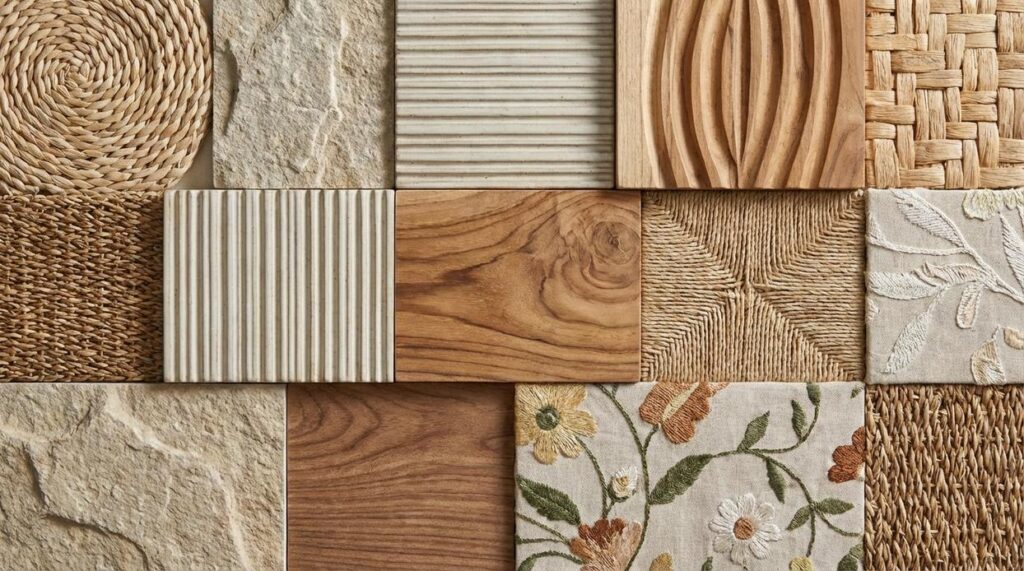

Looking to refresh your space but unsure where to start? Whether you’re searching for the latest decor trends, smarter space optimization hacks, or timeless styling essentials, this guide is designed to give you clear, practical direction. Modern interiors are evolving quickly, blending functionality with personality—making it essential to understand not just what looks good, but what truly works in real homes.
In this article, you’ll discover actionable tips on layout planning, texture layering, statement accents, and incorporating sustainable home decor materials without sacrificing style. We break down complex design concepts into easy, step-by-step insights you can apply immediately—whether you’re updating a small apartment or redesigning an entire house.
Our guidance is rooted in extensive research on contemporary interior techniques, trend analysis, and real-world styling applications. By the end, you’ll have the clarity and confidence to create a space that feels cohesive, modern, and uniquely yours.
Beyond the Label: What Makes a Material Truly Eco-Friendly?
A “green” label sounds reassuring—but is it bamboo flooring or just bamboo printed vinyl? Big difference. True sustainability comes down to how a material is sourced, produced, used, and eventually discarded.
Renewable vs. Finite
- Bamboo: Fast-growing grass that regenerates in 3–5 years.
- Hardwood from old-growth forests: Takes decades (or centuries) to replace.
According to the Forest Stewardship Council (FSC), responsibly managed forests significantly reduce long-term ecosystem damage.
Low-VOC vs. Chemical-Heavy
- Low-VOC paints improve indoor air quality. The EPA notes VOCs can be 2–5 times higher indoors (epa.gov).
- Conventional finishes may off-gas for months (that “new furniture smell” isn’t a perk).
Recycled vs. Virgin Materials
- Reclaimed wood or recycled glass diverts waste from landfills.
- Newly manufactured materials demand fresh resource extraction.
Biodegradable vs. Persistent
- Linen and hemp break down naturally.
- Synthetic fibers can linger for decades.
Choosing sustainable home decor materials means comparing A vs. B—not just trusting the sticker (if only it were that easy).
Building Your Space from the Ground Up
Think of your room like a forest ecosystem: every layer, from the floor beneath your feet to the surface of your coffee table, plays a role in the bigger environmental story. Choosing sustainable home decor materials isn’t just a design decision—it’s like picking the foundation stones of a house. Get it right, and everything else stands stronger.
Bamboo is often called wood, but it’s technically a grass. Imagine a material that grows back as quickly as a lawn after rain—that’s bamboo. Because it matures in a few years (compared to decades for hardwoods), it’s considered highly renewable (Forest Stewardship Council). Critics argue bamboo products can involve heavy processing and adhesives. That’s fair. The key is to look for options made with non-toxic, low-VOC glues—otherwise the “green” label loses its shine.
Reclaimed wood is the architectural equivalent of a vintage leather jacket: worn, storied, and full of character. By repurposing timber from old barns or factories, you reduce demand for new logging (U.S. EPA). Some say reclaimed wood can be inconsistent or harder to source. True—but those knots and nail marks? They’re history you can’t fake.
Cork works like nature’s memory foam. Harvested without cutting down the cork oak (World Wildlife Fund), it regenerates, insulates, and resists microbes. Detractors worry about softness, yet modern finishes boost durability.
Recycled glass transforms trash into treasure—literally melting yesterday’s bottles into tomorrow’s countertops. It diverts waste from landfills (EPA) while offering jewel-like surfaces. BEAUTY, it turns out, can be reborn.
Weaving Wellness: Eco-Conscious Fabrics for a Softer Touch

Textiles do more than decorate a room—they shape how it feels to live there. The right fabrics regulate temperature, soften acoustics, and even improve air quality. Choosing sustainable home decor materials isn’t just an aesthetic decision; it’s a PERFORMANCE upgrade for your home.
Organic Linen
Made from the flax plant, organic linen requires significantly less water and fewer pesticides than conventional cotton (European Confederation of Flax and Hemp). That lower-impact cultivation translates into a fabric that’s breathable, moisture-wicking, and exceptionally durable. Linen fibers are hollow, allowing airflow that keeps bedding cool in summer and layered comfort in winter. It also softens with every wash (like your favorite worn-in shirt), making it ideal for sheets and curtains that get better over time.
Hemp
Hemp is often called a sustainability powerhouse—and for good reason. It grows densely, suppressing weeds naturally, and can improve soil structure through phytoremediation (removing toxins from soil, according to the USDA). The resulting textile is STRONG, naturally anti-bacterial, and resistant to mold. That durability makes hemp perfect for upholstery, high-traffic cushions, and rugs that need to last.
Organic Cotton
Conventional cotton farming accounts for roughly 16% of global insecticide use (World Health Organization). GOTS-certified organic cotton ensures strict environmental and social standards across the supply chain. The benefit? Softer textiles without harmful residues—especially important for bedding and children’s rooms.
Recycled PET (rPET)
Recycled PET transforms post-consumer plastic bottles into resilient fibers. These fabrics resist moisture and fading, making them ideal for indoor-outdoor pillows and rugs. (Yes, your patio cushion might have had a past life as a water bottle.)
If you’re blending eco-conscious textiles with nostalgic flair, explore vintage revival how retro styles are making a comeback: https://mintpaldecor.com.co/vintage-revival-how-retro-styles-are-making-a-comeback/
The Finishing Touch: Conscious Paints, Accents, and Decor
At first, I underestimated the finishing touches. I thought furniture did the heavy lifting and paint was just background noise. I was wrong. After using standard paint in a small bedroom, the chemical smell lingered for weeks. That’s when I learned about Volatile Organic Compounds (VOCs)—gases released into the air that can affect indoor air quality (EPA). Now, I choose low- and zero-VOC options without hesitation.
Similarly, I once bought a synthetic rug that looked great online but felt lifeless in person. Swapping it for jute and seagrass completely changed the room. These fast-growing fibers add texture and warmth—and they’re far more durable than I expected.
Then there’s PLA, a plant-based bioplastic made from corn starch. I was skeptical (corn… as decor?), but it’s a smart alternative for 3D-printed accents.
In the end, sustainable home decor materials aren’t just trendy—they’re practical lessons learned the hard way.
Bring Your Space to Life with Purpose
You came here looking for practical, stylish ways to elevate your home while making smarter design choices—and now you have the tools to do exactly that. From trend-forward styling tips to smart space optimization hacks, you’ve seen how intentional design can transform not just how your home looks, but how it feels and functions.
If you’ve ever felt overwhelmed by clutter, frustrated with wasted space, or unsure how to blend beauty with responsibility, you’re not alone. The good news? With the right approach and the use of sustainable home decor materials, you can create a space that reflects your personality while supporting a healthier, more mindful lifestyle.
Now it’s time to take action. Start by choosing one room and applying a single strategy you’ve learned—whether it’s reworking your layout, layering textures, or swapping in eco-conscious materials. Small, intentional changes lead to lasting impact.
For more expert-backed styling insights, trend updates, and practical decor guides trusted by modern home enthusiasts, explore our latest resources today. Your dream space isn’t out of reach—start designing it with confidence now.
 Head of Content Strategy
There is a specific skill involved in explaining something clearly — one that is completely separate from actually knowing the subject. Fredrickien Hunteron has both. They has spent years working with decor trends and shifts in a hands-on capacity, and an equal amount of time figuring out how to translate that experience into writing that people with different backgrounds can actually absorb and use.
Fredrickien tends to approach complex subjects — Decor Trends and Shifts, Pal Modern Interior Techniques, Space Optimization Hacks being good examples — by starting with what the reader already knows, then building outward from there rather than dropping them in the deep end. It sounds like a small thing. In practice it makes a significant difference in whether someone finishes the article or abandons it halfway through. They is also good at knowing when to stop — a surprisingly underrated skill. Some writers bury useful information under so many caveats and qualifications that the point disappears. Fredrickien knows where the point is and gets there without too many detours.
The practical effect of all this is that people who read Fredrickien's work tend to come away actually capable of doing something with it. Not just vaguely informed — actually capable. For a writer working in decor trends and shifts, that is probably the best possible outcome, and it's the standard Fredrickien holds they's own work to.
Head of Content Strategy
There is a specific skill involved in explaining something clearly — one that is completely separate from actually knowing the subject. Fredrickien Hunteron has both. They has spent years working with decor trends and shifts in a hands-on capacity, and an equal amount of time figuring out how to translate that experience into writing that people with different backgrounds can actually absorb and use.
Fredrickien tends to approach complex subjects — Decor Trends and Shifts, Pal Modern Interior Techniques, Space Optimization Hacks being good examples — by starting with what the reader already knows, then building outward from there rather than dropping them in the deep end. It sounds like a small thing. In practice it makes a significant difference in whether someone finishes the article or abandons it halfway through. They is also good at knowing when to stop — a surprisingly underrated skill. Some writers bury useful information under so many caveats and qualifications that the point disappears. Fredrickien knows where the point is and gets there without too many detours.
The practical effect of all this is that people who read Fredrickien's work tend to come away actually capable of doing something with it. Not just vaguely informed — actually capable. For a writer working in decor trends and shifts, that is probably the best possible outcome, and it's the standard Fredrickien holds they's own work to.