

Creating a home that feels stylish, functional, and uniquely yours can feel overwhelming—especially with constantly evolving decor trends and endless design advice online. If you’re searching for clear, practical guidance on elevating your space, this article is designed to give you exactly that. From timeless home styling essentials to smart layout strategies and modern storage solutions, we’ll break down the techniques that truly make a difference in today’s interiors.
Rather than chasing fleeting trends, we focus on proven design principles, space optimization hacks, and contemporary approaches that blend beauty with functionality. Our insights are grounded in in-depth research, trend analysis, and hands-on experience studying what works in real homes—not just in showrooms.
By the end of this guide, you’ll have actionable ideas to refresh your decor, maximize your space, and confidently create a home that feels both modern and thoughtfully designed.
Clutter isn’t just too much stuff—it’s outdated systems failing you. Traditional storage hides items in opaque bins and overstuffed closets, causing damage, duplicates, and that sinking feeling when you can’t find what you own.
This guide shows how modern storage solutions can transform chaos into clarity. Think:
- Vertical shelving that uses wall height efficiently
- Clear, labeled containers to prevent forgotten purchases
- Modular drawers that adapt as your needs change
These upgrades do more than tidy. They protect fabrics, documents, and keepsakes from dust and wear, extending their lifespan while keeping everything visible, accessible, and beautifully integrated into your space daily.
The New Philosophy: Integrating Storage into Your Decor
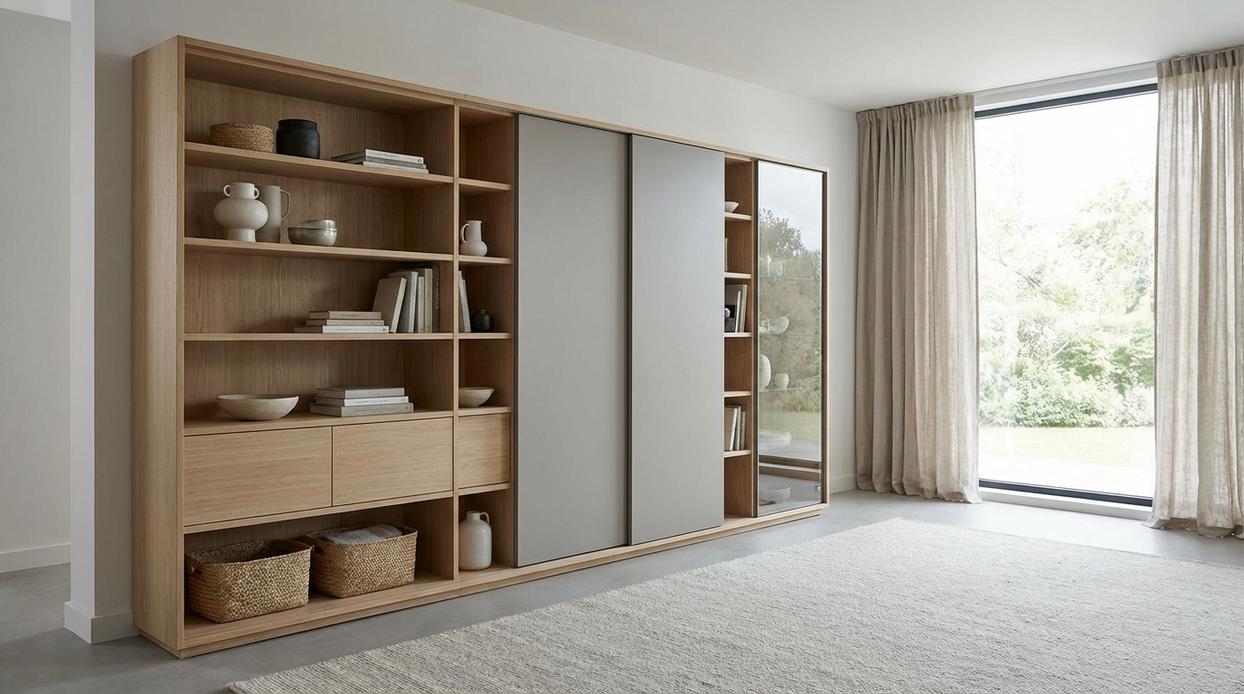
Step into a room where the walls feel calm, unbroken, almost whisper-quiet. That’s the idea behind Invisible Storage—a design approach where storage is concealed in plain sight. Think custom millwork (woodwork built specifically for a space), handleless cabinetry with soft-touch finishes, and integrated wall panels that blend seamlessly into their surroundings. When you run your hand across the surface, there’s no visual clutter—just smooth continuity. It’s storage that doesn’t announce itself.
And then, there’s Architectural Storage. Instead of adding bulky furniture, you carve organization directly into the bones of the home. Built-in shelving hugs the wall. Under-staircase drawers glide open with a muted hush. A platform bed lifts to reveal hidden compartments beneath. The structure itself does the heavy lifting.
Granted, some argue standalone wardrobes or plastic bins are cheaper and flexible. Fair point. But over time, built-ins maximize every inch, increase property value (National Association of Realtors), and feel cohesive rather than cobbled together. They don’t just hold your things—they elevate the room.
For example, dedicate an entire living room wall to floor-to-ceiling cabinetry. Or install a built-in bench with storage in the entryway, where shoes tuck away neatly. These modern storage solutions make spaces feel intentional, airy, and quietly luxurious.
Leveraging Technology for Seamless Organization
Technology has transformed closets, garages, and storage rooms from static spaces into responsive systems. If terms like automated shelving or digital inventory sound intimidating, let’s break them down simply.
A smart closet system is a setup where lighting, storage, and climate work together. Automated clothing racks move at the press of a button, lowering high-hung garments to eye level. Integrated LED lighting that mimics natural daylight helps you see fabric colors accurately (because nobody wants a “black” shirt that’s actually navy). Some systems even include climate control, meaning they regulate temperature and humidity to protect silk, leather, or wool from damage (The Spruce, 2023).
Digital inventory management is equally practical. By placing QR codes on sealed boxes, you can scan and catalog contents using an app. Instead of opening every container to find holiday decor, you search your phone and locate the exact box instantly. This method is especially useful for long-term preservation since frequent unsealing exposes items to dust and moisture.
Motorized and automated solutions maximize vertical space. For example:
- Motorized ceiling lifts in garages lower bulky bins safely.
- Automated shelving systems slide forward, bringing stored items to you.
- Wall-mounted tracks adjust as your storage needs change.
Security and preservation tech adds another layer. Biometric locks restrict access to valuables, while humidity-controlled cabinets protect cameras, cigars, or documents (National Archives guidelines).
Some argue these systems are excessive. Fair point—they require investment. But modern storage solutions often prevent damage, reduce clutter stress, and save time long term (and time, as we know, is priceless).
Material Science: The Key to Long-Term Preservation
I once opened a box of childhood photographs stored in a damp attic. The edges were yellowed, brittle, and curling (a heartbreaking sight). That was my crash course in material science—the study of how materials interact with their environment over time.
Archival-quality materials, such as acid-free paper and boxes, are essential for preserving photos, documents, and textiles. “Acid-free” means the pH is neutral, preventing the slow chemical reactions that cause yellowing and decay (Library of Congress). Regular cardboard, by contrast, releases acids as it ages.
Natural vs. Synthetic Storage
Cedar-lined closets naturally repel moths and absorb excess moisture, protecting wool without harsh chemicals. Breathable canvas containers allow airflow, reducing mildew risk compared to plastic bins that trap humidity (Smithsonian Museum Conservation Institute).
Vacuum-sealing is popular in modern storage solutions. It saves space, but compressing fabrics too tightly can cause permanent creases in natural fibers like linen and wool. Pro tip: Insert acid-free tissue to cushion folds before sealing.
For more ideas on incorporating technology into modern home design, consider how climate monitoring tools protect valuable items.
Quick Reference Guide
- Wool sweaters: Cedar storage, cool/dry space
- Leather goods: Breathable dust bags, low humidity
- Photographs: Acid-free boxes, dark/cool area
- Linens: Light vacuum seal, padded folds
Modular systems promise flexibility, but built-ins offer permanence. High-end modular shelving can shift as your life changes, while fixed cabinetry locks you into one layout. If you expect evolving storage needs, adaptable units win; if you crave architectural polish, custom millwork might edge ahead. (Think LEGO for grown-ups.)
Similarly, a standard coffee table holds magazines, whereas a hydraulic lift-top version hides deep compartments for laptops or game controllers. Ottomans can be simple footrests—or file cabinets in disguise. Headboards with integrated shelving outperform plain frames when square footage is tight.
Then there are the micro-spaces most homes ignore. The gap between fridge and wall can fit a slim pull-out pantry, while the area above doors suits floating shelves for rarely used bins. Even cabinet doors can host racks for spices or hair tools. Compared to cluttered counters, these modern storage solutions feel intentional, not improvised. Small shifts create outsized impact daily.
A Blueprint for an Organized and Enduring Home
Modern organization is no longer about stuffing bins into closets; it is about integration, smart technology, durable materials, and precise space planning. Thoughtful modern storage solutions combine modular shelving, moisture-resistant containers, and app-tracked inventories to protect what you own while keeping it accessible. The benefit is simple: you move from hiding clutter to building an efficient, protective environment.
Start small:
- Choose one room or category, like seasonal clothing.
- Install stackable, labeled bins with ventilation panels.
Notice how daily routines feel lighter and memories remain preserved for years to come beautifully.
Create a Home That Works as Beautifully as It Looks
You started this guide looking for smarter ways to style your space without sacrificing function. Now you have practical ideas, fresh inspiration, and actionable strategies to transform cluttered rooms into spaces that feel intentional and refined.
The frustration of limited space, messy surfaces, and rooms that just don’t “flow” is real. But with the right layout techniques and modern storage solutions, you can finally enjoy a home that feels open, organized, and effortlessly stylish.
The next step is simple: start small and be strategic. Choose one problem area, apply the design principles you’ve learned, and build momentum from there. If you’re ready to completely rethink your space, explore our expert-backed styling guides and proven organization strategies designed to help you maximize every square foot.
Thousands of decor enthusiasts rely on our trusted insights to simplify their homes and elevate their interiors. Don’t let clutter or outdated layouts hold you back. Discover the tools, ideas, and inspiration you need today—and turn your home into a space that truly supports your lifestyle.
 Director of Community & Partnerships
Ask Eloria Esthova how they got into decor trends and shifts and you'll probably get a longer answer than you expected. The short version: Eloria started doing it, got genuinely hooked, and at some point realized they had accumulated enough hard-won knowledge that it would be a waste not to share it. So they started writing.
What makes Eloria worth reading is that they skips the obvious stuff. Nobody needs another surface-level take on Decor Trends and Shifts, Space Optimization Hacks, In-Depth Guides. What readers actually want is the nuance — the part that only becomes clear after you've made a few mistakes and figured out why. That's the territory Eloria operates in. The writing is direct, occasionally blunt, and always built around what's actually true rather than what sounds good in an article. They has little patience for filler, which means they's pieces tend to be denser with real information than the average post on the same subject.
Eloria doesn't write to impress anyone. They writes because they has things to say that they genuinely thinks people should hear. That motivation — basic as it sounds — produces something noticeably different from content written for clicks or word count. Readers pick up on it. The comments on Eloria's work tend to reflect that.
Director of Community & Partnerships
Ask Eloria Esthova how they got into decor trends and shifts and you'll probably get a longer answer than you expected. The short version: Eloria started doing it, got genuinely hooked, and at some point realized they had accumulated enough hard-won knowledge that it would be a waste not to share it. So they started writing.
What makes Eloria worth reading is that they skips the obvious stuff. Nobody needs another surface-level take on Decor Trends and Shifts, Space Optimization Hacks, In-Depth Guides. What readers actually want is the nuance — the part that only becomes clear after you've made a few mistakes and figured out why. That's the territory Eloria operates in. The writing is direct, occasionally blunt, and always built around what's actually true rather than what sounds good in an article. They has little patience for filler, which means they's pieces tend to be denser with real information than the average post on the same subject.
Eloria doesn't write to impress anyone. They writes because they has things to say that they genuinely thinks people should hear. That motivation — basic as it sounds — produces something noticeably different from content written for clicks or word count. Readers pick up on it. The comments on Eloria's work tend to reflect that.