Choosing between open concept vs zoned living can completely change how your home looks, feels, and functions. If you’re planning a renovation, redesigning your layout, or simply trying to make better use of your space, you’re likely wondering which approach truly fits your lifestyle. This article is designed to help you make that decision with clarity.
We break down the benefits, drawbacks, and ideal use cases for both layouts, from maximizing natural light and improving traffic flow to creating privacy and purposeful rooms. You’ll learn how each option impacts space optimization, design flexibility, and everyday comfort.
To ensure practical, reliable guidance, we’ve analyzed current interior design trends, studied modern space-planning techniques, and referenced insights from experienced home stylists and renovation professionals. By the end, you’ll have a clear understanding of which layout aligns best with your needs, aesthetic preferences, and long-term goals.
The Allure of Open Concept: A Deep Dive into Seamless Living
An open concept layout is exactly what it sounds like: a home design where interior walls are removed to merge the kitchen, dining, and living areas into one continuous space. Instead of separated rooms, you get a shared environment with fewer visual barriers. Think of it as turning three chapters into one long, flowing story.
Why Homeowners Love It
• Enhanced social flow: Cooking no longer means isolation. You can stir the pasta while chatting with guests on the sofa (very dinner-party-core).
• Illusion of space: Fewer walls allow natural light to travel farther, making even modest square footage feel expansive. According to the National Association of Home Builders, open layouts remain a top preference among buyers.
• Family connectivity: Parents can prep meals while keeping an eye on homework or playtime—no hallway sprints required.
Where It Gets Complicated
• Noise transmission: Without walls, sound carries. A blender can compete with movie night.
• Clutter on display: That pile of dishes? It’s now part of the décor.
• Decorating challenges: Defining “zones” requires rugs, lighting, shelving, or furniture placement to create subtle boundaries.
The debate around open concept vs zoned living often centers on lifestyle. If you value togetherness and light, open layouts shine. If you crave privacy and quiet corners, defined rooms may win.
For a broader look at evolving layouts, explore the top interior design trends shaping homes in 2026.
(Pro tip: Use large area rugs to visually anchor each functional space.)
The Case for Zoned Living: Creating Purposeful, Private Spaces
Defining the Zoned Layout
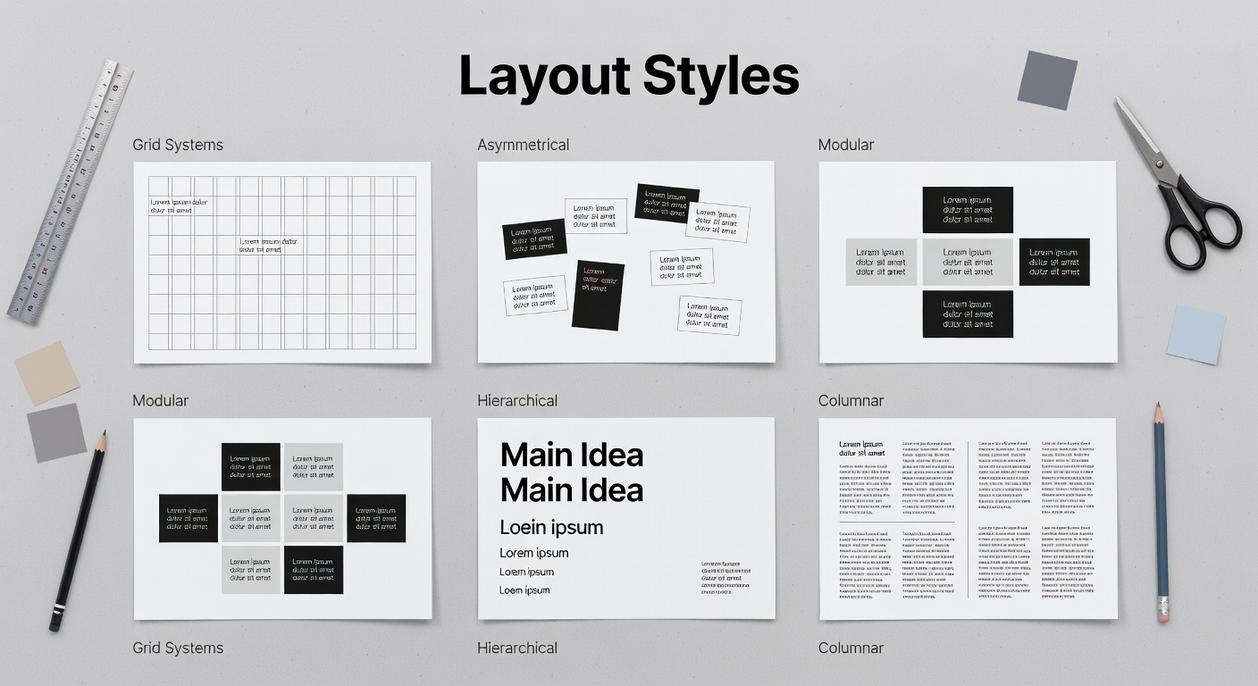
A zoned layout is a home design approach that divides a space into clearly defined areas for specific activities. Instead of one continuous room, you’ll see distinct rooms or partial dividers—think glass partitions, built-in bookcases, sliding doors, or even subtle level changes in flooring. In other words, every area has a job to do.
If you’ve ever tried taking a Zoom call while someone blasts a superhero movie ten feet away, you already understand the appeal. Open spaces look gorgeous in photos. But in real life? Noise travels. Clutter multiplies. Privacy disappears.
First and foremost, zoned living offers superior privacy and acoustics. Walls contain sound, which research confirms reduces distractions and stress in home work environments (Journal of Environmental Psychology, 2011). That means simultaneous activities—working, studying, relaxing—can actually coexist.
Additionally, mess stays put. One chaotic craft table doesn’t visually hijack your entire home (a small but mighty victory). Each room can also have a focused decor identity: a cozy reading nook, a formal dining room, a calm office retreat.
Of course, critics argue zoned layouts feel disconnected. Compared to open concept vs zoned living, gatherings may feel less fluid. Natural light can also get blocked, and dedicated rooms sometimes limit flexibility.
Still, for anyone tired of echoing rooms and nowhere to hide the laundry basket, zoning feels less like restriction—and more like relief.
Head-to-Head: Which Layout Wins for Your Lifestyle?
When it comes to open concept vs zoned living, I don’t think there’s a universal winner—just a better fit for how you actually live (not how a staged showroom suggests you should).
For the Entertainer: I’ll admit, open layouts shine during big, casual gatherings. Guests flow freely, conversations overlap, and no one’s boxed into a corner. It’s the “holiday movie kitchen party” effect. But for formal dinners? Zoned spaces win. Being able to hide a chaotic kitchen mid-course is priceless (and your guests don’t need to see the sauce mishap).
For Families with Young Children: Open layouts make supervision easy. You can cook while keeping an eye on LEGO towers forming in real time. However, as kids grow, privacy matters. Homework, gaming, and friend hangouts thrive in separate rooms. I’ve seen too many teens retreat to staircases just to escape noise.
For the Work-from-Home Professional: Zoned living, no contest. Studies show noise distractions can reduce productivity by up to 66% in open offices (University of California, Irvine). The same logic applies at home. A door you can close is a boundary you can defend.
- Pro tip: If you love openness, consider partial dividers like glass partitions for flexibility.
For Resale Value: Market trends shift. Open concepts dominated the 2010s, but post-2020 buyers increasingly value private spaces for work and study (National Association of Realtors).
For Heating & Cooling Efficiency: Zoned layouts typically allow targeted climate control, which can lower energy use (U.S. Department of Energy).
If you ask me? Choose the layout that supports your daily rhythms—not just your Pinterest board.
Space optimization isn’t about squeezing furniture; it’s about directing flow. In open concept vs zoned living, the winning layouts will borrow from each other.
For open plans, anchor seating with large area rugs, float sofas to create “invisible” walls, and choose storage that doubles as decor. (Yes, that sleek credenza can hide kids’ chaos.)
For zoned layouts, maintain a consistent color palette, add mirrors to amplify light, and install pocket or barn doors to reclaim swing space.
Prediction: modular walls and movable partitions will become mainstream as homes adapt to hybrid work. Skeptics say trends cycle—but flexibility isn’t a fad.
Finding the Right Balance for Your Space
You started this guide to finally understand the difference between open concept vs zoned living—and now you have the clarity to choose what truly fits your home and lifestyle. Whether you crave airy, connected spaces or defined areas that offer privacy and structure, you can confidently design with purpose instead of guesswork.
The real frustration was not knowing which layout would solve your daily challenges—noise, clutter, lack of flow, or limited functionality. Now you know that the right approach isn’t about trends. It’s about how you live, move, and relax in your space.
The next step? Evaluate how each room is actually used, identify your biggest pain point, and start implementing small layout adjustments that support your routine. Even simple changes—like strategic furniture placement or subtle dividers—can dramatically improve comfort and flow.
If you’re ready to transform your home into a space that feels intentional and effortlessly functional, explore our expert styling guides and space-optimization strategies. We’re a trusted source for modern decor insights, and our step-by-step resources make redesigning simple. Start planning your layout upgrade today and create a home that truly works for you.
 FOUNDER & CEO
There is a specific skill involved in explaining something clearly — one that is completely separate from actually knowing the subject. Veronicay Simpsonita has both. They has spent years working with decor trends and shifts in a hands-on capacity, and an equal amount of time figuring out how to translate that experience into writing that people with different backgrounds can actually absorb and use.
Veronicay tends to approach complex subjects — Decor Trends and Shifts, Pal Modern Interior Techniques, Highlight Hub being good examples — by starting with what the reader already knows, then building outward from there rather than dropping them in the deep end. It sounds like a small thing. In practice it makes a significant difference in whether someone finishes the article or abandons it halfway through. They is also good at knowing when to stop — a surprisingly underrated skill. Some writers bury useful information under so many caveats and qualifications that the point disappears. Veronicay knows where the point is and gets there without too many detours.
The practical effect of all this is that people who read Veronicay's work tend to come away actually capable of doing something with it. Not just vaguely informed — actually capable. For a writer working in decor trends and shifts, that is probably the best possible outcome, and it's the standard Veronicay holds they's own work to.
FOUNDER & CEO
There is a specific skill involved in explaining something clearly — one that is completely separate from actually knowing the subject. Veronicay Simpsonita has both. They has spent years working with decor trends and shifts in a hands-on capacity, and an equal amount of time figuring out how to translate that experience into writing that people with different backgrounds can actually absorb and use.
Veronicay tends to approach complex subjects — Decor Trends and Shifts, Pal Modern Interior Techniques, Highlight Hub being good examples — by starting with what the reader already knows, then building outward from there rather than dropping them in the deep end. It sounds like a small thing. In practice it makes a significant difference in whether someone finishes the article or abandons it halfway through. They is also good at knowing when to stop — a surprisingly underrated skill. Some writers bury useful information under so many caveats and qualifications that the point disappears. Veronicay knows where the point is and gets there without too many detours.
The practical effect of all this is that people who read Veronicay's work tend to come away actually capable of doing something with it. Not just vaguely informed — actually capable. For a writer working in decor trends and shifts, that is probably the best possible outcome, and it's the standard Veronicay holds they's own work to.