
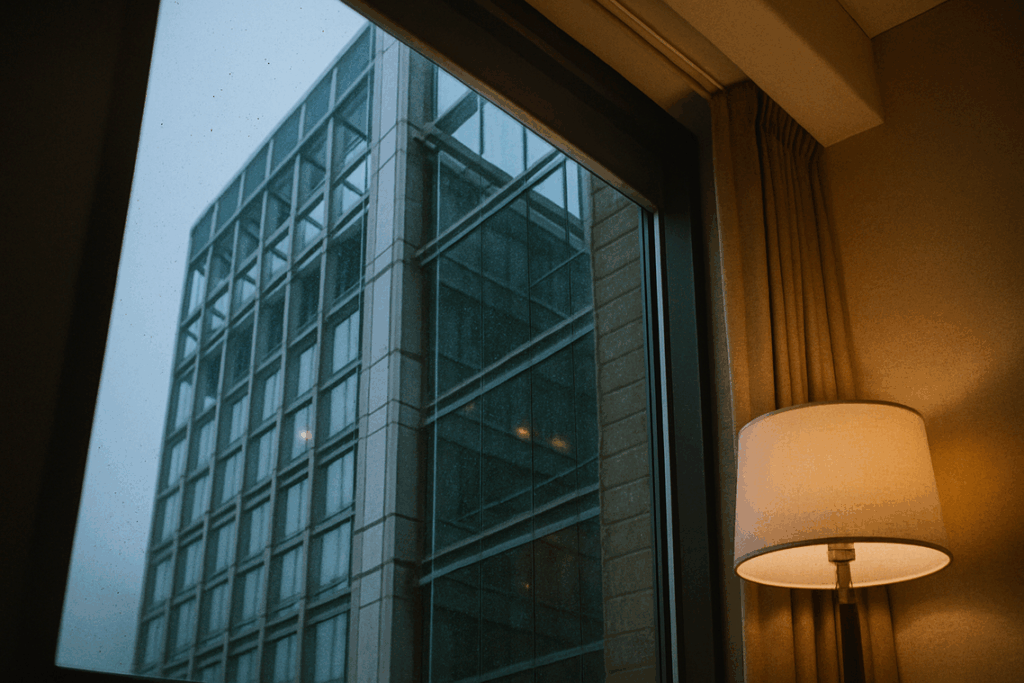
Glass, light, and clean architectural lines are redefining how modern homes feel and function. If you’re exploring glass and steel interiors, you’re likely looking for ways to create a space that feels open, refined, and effortlessly contemporary—without making it cold or impersonal. This guide is designed to help you do exactly that.
We break down the essential principles behind glass and steel design, from balancing transparency with warmth to choosing finishes, textures, and layouts that prevent a space from feeling sterile. You’ll discover practical styling techniques, space optimization strategies, and decor pairings that make these materials work beautifully in real homes—not just in showrooms.
Our insights are grounded in extensive research into modern interior techniques, current decor trends, and functional design strategies that prioritize both aesthetics and livability. By the end, you’ll have a clear, actionable understanding of how to incorporate glass and steel elements in a way that feels intentional, cohesive, and uniquely yours.
Start with an anecdote about my first loft renovation: I worried the space would feel like a hospital corridor. Many homeowners share that fear—glass and steel can seem cold, almost clinical. The real challenge is balancing sleek lines with soul. Through years of trial, error, and late-night furniture swaps, I’ve learned that texture, lighting, and contrast transform glass and steel interiors into welcoming sanctuaries. This guide offers a practical, step-by-step framework to blend transparency with warmth, creating a sophisticated, modern home that feels lived-in. Elegance thrives on intention. Comfort is crafted, not purchased, in thoughtful layers. Light changes everything. Always.
Core Principles: Balancing Light, Line, and Texture
Designers often talk about materials in isolation. What they miss is how light, line, and texture interact. That interplay is where truly elevated spaces are made.
The Role of Glass
Glass is more than a transparent divider. It’s a light amplifier. By allowing daylight to travel deeper into a floor plan, it reduces reliance on artificial lighting (the U.S. Department of Energy notes daylighting can significantly cut lighting energy use). In practice, glass partitions define zones—home office, dining nook, reading corner—without closing them off. The result? Openness without chaos.
Some critics argue that extensive glazing sacrifices privacy. Fair point. But fluted or frosted panels maintain brightness while softening sightlines (a detail many competitors overlook). The key is intentional placement, not excess.
The Function of Steel
Steel introduces clean geometry. Window frames, stair rails, or slim furniture legs provide visual discipline. It anchors a room with subtle industrial confidence—think modern loft, not warehouse conversion. Structurally, steel allows thinner profiles with high strength (World Steel Association), meaning less bulk and more clarity.
Skeptics say steel feels cold. It can—if unsupported.
The Crucial Balance
This is where glass and steel interiors either thrive or fall flat. Hard surfaces need tactile contrast. Without it, spaces veer clinical (no one wants to live in a showroom).
Actionable balancing materials:
- Natural wood floors for organic warmth
- Plush wool rugs to absorb sound and soften steps
- Linen curtains to diffuse light gently
- Leather upholstery for grounded richness
Pro tip: Layer at least two soft textures per room. Balance isn’t accidental—it’s engineered.
A Room-by-Room Guide to Glass and Steel Integration
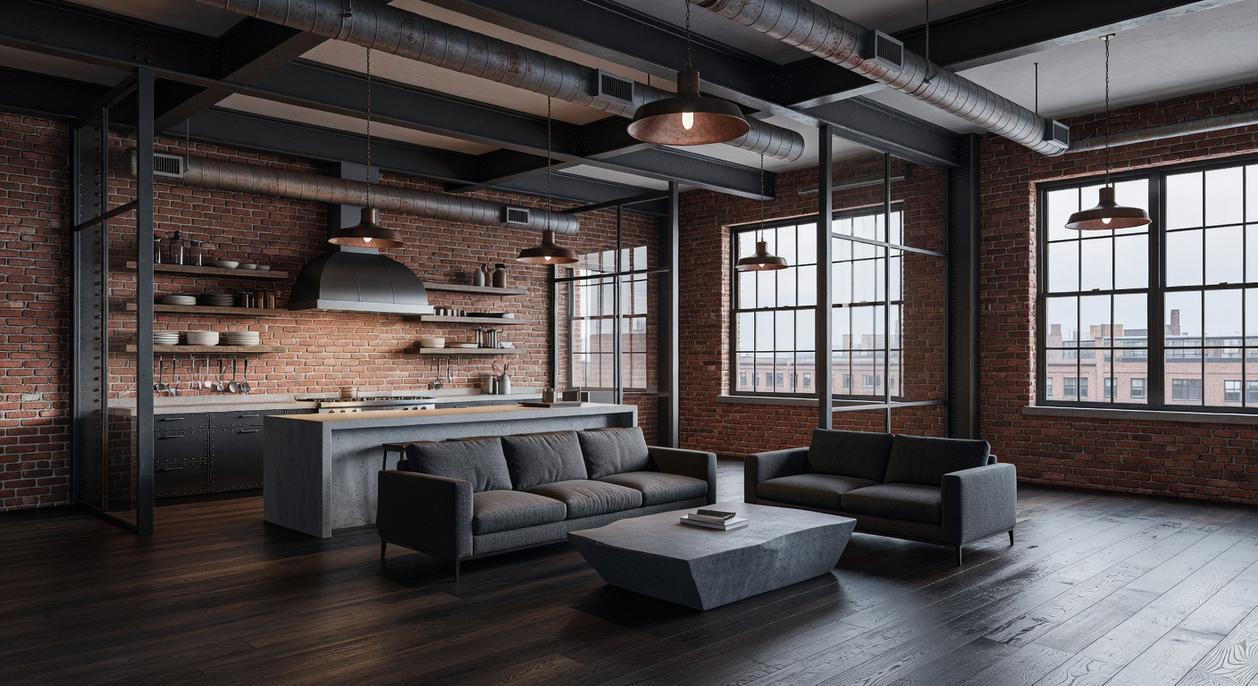
The first time I experimented with glass and steel interiors, it was in my own living room. I swapped out a bulky wooden coffee table for a slim steel-framed one with a glass top. The room instantly felt lighter (and somehow more “architectural,” like something out of a Nancy Meyers set). That’s the power of contrast.
The Living Area
Focus on statement pieces. A steel-framed coffee table with a tempered glass top (tempered means heat-treated for extra strength) anchors the space without visual clutter. Add minimalist black steel shelving and a large steel-framed mirror to amplify natural light. According to the National Association of Realtors, well-lit spaces can increase perceived home value (NAR, 2023). Pro tip: keep surrounding decor neutral so the materials shine.
The Kitchen & Dining Space
Start with stainless steel appliances as your baseline. Stainless steel is corrosion-resistant steel alloyed with chromium—practical and sleek. Then introduce a back-painted glass backsplash for a bold color pop. I once chose deep emerald, and it completely transformed an otherwise white kitchen. Pair a dining table with a steel base and glass top to maintain flow. If you’re unsure about balancing tones, revisit neutral base bold accents a proven modern styling formula for guidance.
The Bedroom Sanctuary
Some argue steel feels too cold for a bedroom. I disagreed—after trying it. A slim-profile steel bed frame softened with layered linen bedding feels modern yet cozy. Glass-topped nightstands keep things airy, while mirrored closet doors with subtle steel trim reflect light without overwhelming the room.
The Modern Bathroom
For a spa-like feel, install a frameless glass shower enclosure (no bulky frames blocking sightlines). Add matte black or brushed nickel steel fixtures. Consider:
- A vanity with steel legs and a glass countertop
- Wall-mounted steel towel bars
- Minimal steel-framed mirrors
Sleek doesn’t have to mean sterile (trust me, fluffy towels fix everything).
Mastering the Details: Finishes, Lighting, and Accents
Choosing Your Finish
Finishes are where personality shows up. Brushed steel offers a muted, industrial softness—it diffuses light and hides fingerprints (a blessing in busy kitchens). Polished chrome, on the other hand, is high-gloss and unapologetically glamorous. It reflects everything, which can make a small room feel larger—but also busier. If you love drama, chrome delivers. If you prefer calm, brushed steel wins.
Glass tells a similar story. Clear glass creates openness and flow, making spaces feel expansive. Frosted or reeded glass introduces privacy without heaviness. Reeded glass—textured with vertical grooves—adds subtle movement and depth (think Art Deco revival, but modernized). I personally lean toward reeded panels in bathrooms; they balance light and discretion beautifully.
When working with glass and steel interiors, the finish pairing determines whether the space feels edgy or elegant.
Strategic Lighting
Lighting changes everything. Steel pendant lights can double as sculptural statements, especially over islands or dining tables. Their reflective surfaces amplify brightness, according to the U.S. Department of Energy’s guidance on reflective materials improving light distribution (energy.gov).
Install dimmer switches—always. They let you control glare bouncing off glass surfaces throughout the day. Light should adapt to your mood, not the other way around. Pro tip: warm bulbs soften steel’s coolness instantly.
Accessorizing with Purpose
Use this quick checklist:
- Steel-framed art
- Glass vases with simple greenery
- Decorative metal trays
- Sculptural steel objects
Less is more. A few bold accents outperform a dozen tiny trinkets (visual clutter is the enemy of modern design). Curate intentionally, and let each piece breathe.
Creating a luminous, modern space isn’t about making your home feel cold; it’s about STRUCTURE, LIGHT, and BALANCE. When people hear glass and steel interiors, they often picture a stark office lobby. That’s a misconception. The real challenge is blending hard materials with warmth so rooms feel inviting, not industrial.
Think of it like layering an outfit: sharp tailoring paired with soft fabric (yes, even James Bond needs a velvet jacket sometimes). Texture—rugs, wood, linen—softens steel. Strategic lighting adds glow, not glare. Purposeful accents add personality.
Start small. Try a steel-framed mirror or glass accent table and BUILD from there.
Elevate Your Space with Confidence
You came here looking for clarity on how to style, optimize, and modernize your space—and now you have the practical ideas and direction to make it happen. From smart layout techniques to trend-forward accents like glass and steel interiors, you’ve seen how intentional design choices can completely transform both the look and functionality of your home.
The frustration of cluttered rooms, outdated finishes, or underused square footage doesn’t have to continue. With the right styling approach and space-saving strategies, your home can feel open, cohesive, and distinctly modern.
Now it’s time to take action. Start by choosing one room and applying a single upgrade—whether it’s refining your layout, incorporating sleek materials, or introducing layered textures for depth. For more step-by-step guides, trend insights, and proven styling techniques trusted by thousands of design-savvy homeowners, explore our latest resources and start your transformation today. Your dream space is one decision away.
 Head of Content Strategy
There is a specific skill involved in explaining something clearly — one that is completely separate from actually knowing the subject. Fredrickien Hunteron has both. They has spent years working with decor trends and shifts in a hands-on capacity, and an equal amount of time figuring out how to translate that experience into writing that people with different backgrounds can actually absorb and use.
Fredrickien tends to approach complex subjects — Decor Trends and Shifts, Pal Modern Interior Techniques, Space Optimization Hacks being good examples — by starting with what the reader already knows, then building outward from there rather than dropping them in the deep end. It sounds like a small thing. In practice it makes a significant difference in whether someone finishes the article or abandons it halfway through. They is also good at knowing when to stop — a surprisingly underrated skill. Some writers bury useful information under so many caveats and qualifications that the point disappears. Fredrickien knows where the point is and gets there without too many detours.
The practical effect of all this is that people who read Fredrickien's work tend to come away actually capable of doing something with it. Not just vaguely informed — actually capable. For a writer working in decor trends and shifts, that is probably the best possible outcome, and it's the standard Fredrickien holds they's own work to.
Head of Content Strategy
There is a specific skill involved in explaining something clearly — one that is completely separate from actually knowing the subject. Fredrickien Hunteron has both. They has spent years working with decor trends and shifts in a hands-on capacity, and an equal amount of time figuring out how to translate that experience into writing that people with different backgrounds can actually absorb and use.
Fredrickien tends to approach complex subjects — Decor Trends and Shifts, Pal Modern Interior Techniques, Space Optimization Hacks being good examples — by starting with what the reader already knows, then building outward from there rather than dropping them in the deep end. It sounds like a small thing. In practice it makes a significant difference in whether someone finishes the article or abandons it halfway through. They is also good at knowing when to stop — a surprisingly underrated skill. Some writers bury useful information under so many caveats and qualifications that the point disappears. Fredrickien knows where the point is and gets there without too many detours.
The practical effect of all this is that people who read Fredrickien's work tend to come away actually capable of doing something with it. Not just vaguely informed — actually capable. For a writer working in decor trends and shifts, that is probably the best possible outcome, and it's the standard Fredrickien holds they's own work to.