Minimalism is often mistaken for stark white walls and empty rooms—but its story runs far deeper. This guide explores the evolution of minimalism, tracing its rise from a radical architectural rebellion against ornamentation to a defining influence in modern home styling. Born in the early 20th century, minimalism championed clarity, light, and purposeful design over excess. Today, its principles shape the serene, functional spaces many aspire to create. By examining the key movements, influential figures, and core ideas behind this philosophy, you’ll gain a clearer understanding of how simplicity became one of architecture and interior design’s most enduring and transformative forces.
Japanese aesthetics begin with Ma—the intentional pause or empty space that gives objects room to breathe. In architecture, it’s the quiet between walls; in conversation, the silence that carries meaning. Then there’s Wabi-sabi, the acceptance of imperfection—think of a cracked tea bowl treasured for its history rather than discarded (the anti-Instagram filter). Together, these ideas suggest that less is not lack, but focus. So, start by removing one item from each room and notice how the space feels.
Meanwhile, the Shaker movement in America argued that function itself is beautiful. Their spare wooden chairs and peg rails weren’t trendy; they were practical, honest, and crafted. Critics might say such restraint feels cold. Yet research shows clutter elevates stress levels (Princeton Neuroscience Institute, 2011). Order calms.
Taken together, these philosophies laid the groundwork for the evolution of minimalism in design. If you’re redesigning, choose materials, celebrate patina, and let emptiness speak.
The Modernist Revolution: Forging a New Architectural Language
The Bauhaus School didn’t just tweak design—it detonated tradition. Its mantra, “form follows function,” meant a building’s shape should arise from its purpose, not from borrowed historical ornament. In other words, no decorative flourishes for flourish’s sake. Instead, architects embraced steel, glass, and concrete—industrial materials once considered cold or utilitarian. Critics argue this stripped buildings of warmth. I disagree. When done well, simplicity feels honest (and honesty never goes out of style).
Ludwig Mies van der Rohe pushed this further with “Less is more.” The Farnsworth House proves the point: open plan, floor-to-ceiling glass, structure pared to essentials. It blurs interior and exterior so completely you feel suspended in nature. Some say it’s impractical—too exposed, too minimal. Fair. But as a manifesto in built form, it’s unmatched (like the architectural equivalent of a perfectly tailored black suit).
Le Corbusier’s idea of the home as a “machine for living in” championed:
- Geometric purity
- Clean lines
- Efficient space planning
His philosophy shaped the evolution of minimalism, prioritizing function and flow. Personally, I think modern interiors still borrow from this trio—clarity, purpose, restraint—because deep down, we crave spaces that breathe.
The Anatomy of “Less”: Deconstructing Core Minimalist Principles
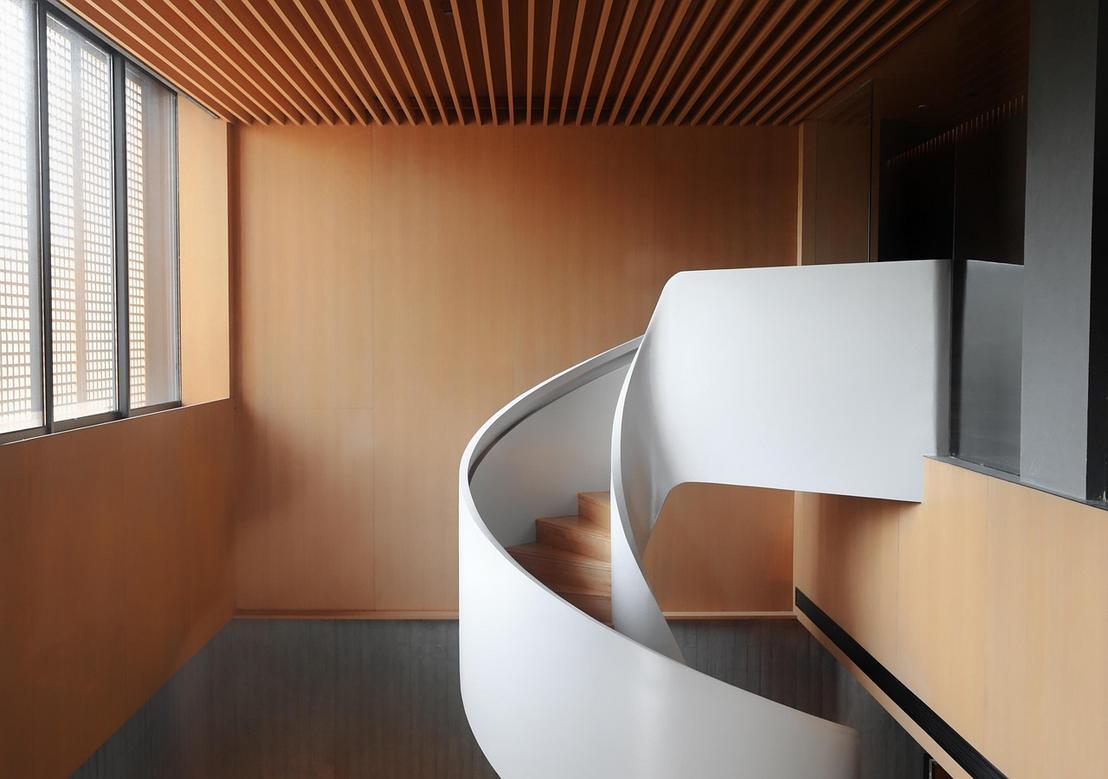
Minimalism didn’t appear overnight. Back in the late 1940s, architects began stripping ornamentation from postwar buildings, prioritizing function over flourish. Over decades, the evolution of minimalism refined that impulse into a philosophy: less visual noise, more intentional living (and fewer places for dust to hide).
Uncluttered Spaces and Open Floor Plans
Removing internal walls and excess decor creates visual continuity. Open floor plans allow sightlines to travel uninterrupted, making even modest homes feel expansive. Studies show that cluttered environments can increase stress and reduce focus (Princeton Neuroscience Institute, 2011). By contrast, open, breathable layouts encourage calm. Some critics argue open plans sacrifice privacy. Fair point—but thoughtful zoning with furniture or sliding panels balances flow with function.
Emphasis on Form and Natural Light
Minimalism celebrates structure as decoration. Clean geometric lines and large, unadorned windows let sunlight animate a room throughout the day. Think of Tadao Ando’s concrete churches, where light becomes the art itself. Pro tip: track how light moves in your space before committing to window treatments.
A Limited and Intentional Color Palette
Neutral palettes—whites, grays, warm beiges—create cohesion. Monochromatic schemes reduce visual fragmentation and highlight architectural form. While some say neutrals feel cold, layered textures prevent sterility (because no one wants to live in a blank spreadsheet).
- Whites amplify light
- Grays add depth
- Beiges introduce warmth
Honesty of Materials
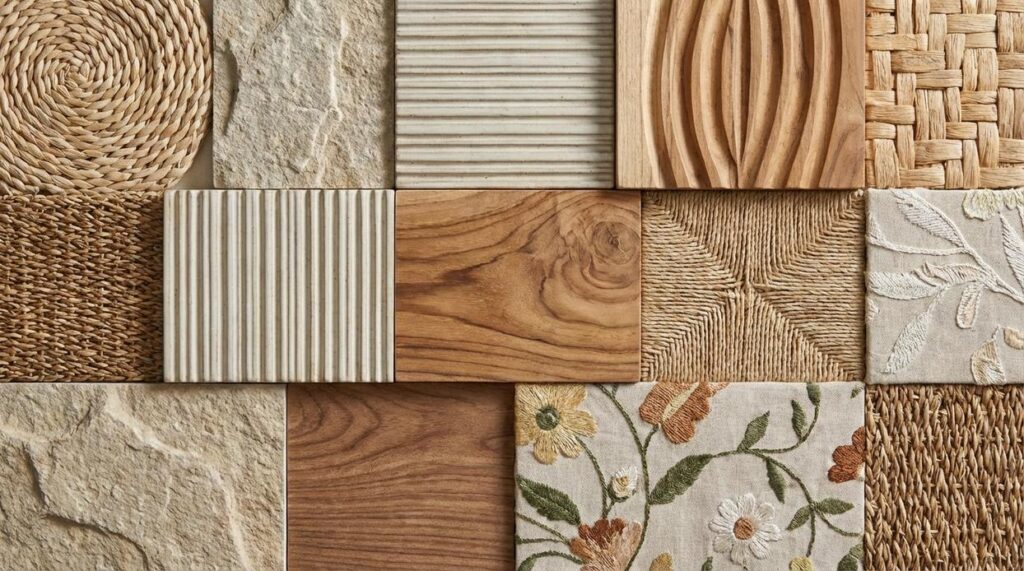
Exposed concrete, visible steel, and natural wood grain honor authenticity. This principle aligns with sustainable decor eco friendly materials on the rise, emphasizing durability and environmental responsibility. Raw materials age gracefully, proving that simplicity isn’t stark—it’s enduring.
Bringing It Home: Applying Architectural Minimalism to Your Space
Architectural minimalism sounds lofty, but it simply means designing with purpose and restraint. Instead of filling a room, you shape it. Think of space as an active design element, not an empty gap (yes, empty can be intentional).
Space Optimization Hacks
An open-plan concept—where walls are reduced to create flow—can be mimicked without renovations. Use consistent color palettes and low-profile furniture to maintain visual continuity. A single rug can “zone” a living area without closing it off. Mirrors amplify light and perceived depth, a principle architects rely on in compact urban homes. The goal? Make a small apartment breathe.
Modern Interior Techniques
Minimalism prioritizes quality over quantity. Rather than ten small frames, choose one sculptural statement piece. This reflects the evolution of minimalism, which has shifted from stark emptiness to curated simplicity. Clean lines and intentional negative space keep the eye calm (clutter is visual noise).
Home Styling Essentials
- Integrated storage to conceal everyday items
- Natural textiles like linen and wool for warmth
- Clear, uncluttered surfaces to anchor the room
Is minimalism about having less, or about making room for what truly matters?
Designing with Intent: The Enduring Power of Simplicity
From its beginnings as a bold architectural statement to its place in modern homes, the evolution of minimalism proves that simplicity is far more than a passing trend. What started as a radical rejection of excess has become a practical, timeless approach to creating spaces that feel calm, purposeful, and deeply personal.
Minimalism isn’t about having less for the sake of less. It’s about choosing with intention—designing a serene, functional environment that supports your daily life and reflects what truly matters.
Now it’s your turn. Look around your space and ask what serves you and what doesn’t. Clear the excess, refine with purpose, and transform your home into a place that actively supports your well-being—starting today.
 Director of Community & Partnerships
Ask Eloria Esthova how they got into decor trends and shifts and you'll probably get a longer answer than you expected. The short version: Eloria started doing it, got genuinely hooked, and at some point realized they had accumulated enough hard-won knowledge that it would be a waste not to share it. So they started writing.
What makes Eloria worth reading is that they skips the obvious stuff. Nobody needs another surface-level take on Decor Trends and Shifts, Space Optimization Hacks, In-Depth Guides. What readers actually want is the nuance — the part that only becomes clear after you've made a few mistakes and figured out why. That's the territory Eloria operates in. The writing is direct, occasionally blunt, and always built around what's actually true rather than what sounds good in an article. They has little patience for filler, which means they's pieces tend to be denser with real information than the average post on the same subject.
Eloria doesn't write to impress anyone. They writes because they has things to say that they genuinely thinks people should hear. That motivation — basic as it sounds — produces something noticeably different from content written for clicks or word count. Readers pick up on it. The comments on Eloria's work tend to reflect that.
Director of Community & Partnerships
Ask Eloria Esthova how they got into decor trends and shifts and you'll probably get a longer answer than you expected. The short version: Eloria started doing it, got genuinely hooked, and at some point realized they had accumulated enough hard-won knowledge that it would be a waste not to share it. So they started writing.
What makes Eloria worth reading is that they skips the obvious stuff. Nobody needs another surface-level take on Decor Trends and Shifts, Space Optimization Hacks, In-Depth Guides. What readers actually want is the nuance — the part that only becomes clear after you've made a few mistakes and figured out why. That's the territory Eloria operates in. The writing is direct, occasionally blunt, and always built around what's actually true rather than what sounds good in an article. They has little patience for filler, which means they's pieces tend to be denser with real information than the average post on the same subject.
Eloria doesn't write to impress anyone. They writes because they has things to say that they genuinely thinks people should hear. That motivation — basic as it sounds — produces something noticeably different from content written for clicks or word count. Readers pick up on it. The comments on Eloria's work tend to reflect that.