

Struggling to make different furniture pieces look cohesive in one space? You’re not alone. Many homeowners want a stylish, curated look but aren’t sure how to successfully mix and match furniture without creating visual chaos. This guide is designed to help you confidently combine colors, textures, eras, and materials to create a balanced, designer-inspired interior.
In this article, you’ll learn practical styling principles, proportion rules, and layout techniques that make mixing furniture feel intentional rather than accidental. We break down how to pair modern pieces with classics, blend statement items with neutrals, and use scale and contrast to your advantage.
Our insights are grounded in proven interior design techniques, trend analysis, and real-world space optimization strategies used by experienced home stylists. By the end, you’ll have clear, actionable steps to create a cohesive space that feels personal, polished, and thoughtfully designed.
Afraid mixing styles will look chaotic? You’re not alone. Many homeowners worry that blending a vintage armchair, a sleek sofa, and a farmhouse table creates clutter, not character. Critics argue sticking to one aesthetic feels safer. But that safety often produces showroom sameness.
This guide shows you how to mix and match furniture using three principles: a common thread (color, shape, or material), visual balance, and intentional contrast. You’ll learn why repetition calms a room, how proportion prevents chaos, and where personality should lead. The result? A cohesive, curated home that reflects you, not a catalog. Start with intention.
Establish Your Foundation: The 80/20 Rule of Style*
The 80/20 rule of style is a simple design principle: 80% of your space follows one dominant aesthetic, while 20% introduces contrast. In interior design, this creates cohesion without sacrificing personality. Studies in environmental psychology show that visually cohesive spaces reduce cognitive load and increase perceived comfort (Journal of Environmental Psychology, 2010). In plain terms, when most elements “agree,” your brain relaxes.
So what’s your 80%? Start by identifying the look you’re consistently drawn to—Scandinavian minimalism, Mid-Century Modern warmth, or Traditional elegance. Also consider architecture. A Craftsman home naturally complements traditional lines, while a loft may lean industrial. Designers often note that aligning décor with architectural context increases resale appeal (National Association of Realtors, 2022).
The remaining 20% is where things get interesting. This is where you mix and match furniture thoughtfully—perhaps an industrial coffee table inside a predominantly Scandinavian living room. That tension creates visual energy (think of it as the plot twist in a good film).
Actionable steps:
- Anchor the room with large pieces first: sofa, dining table, bed frame.
- Layer in accent chairs, lighting, and décor as your contrasting 20%.
Pro tip: If a room feels chaotic, your ratio may be off balance.
The Common Thread: Unifying Diverse Pieces Like a Pro
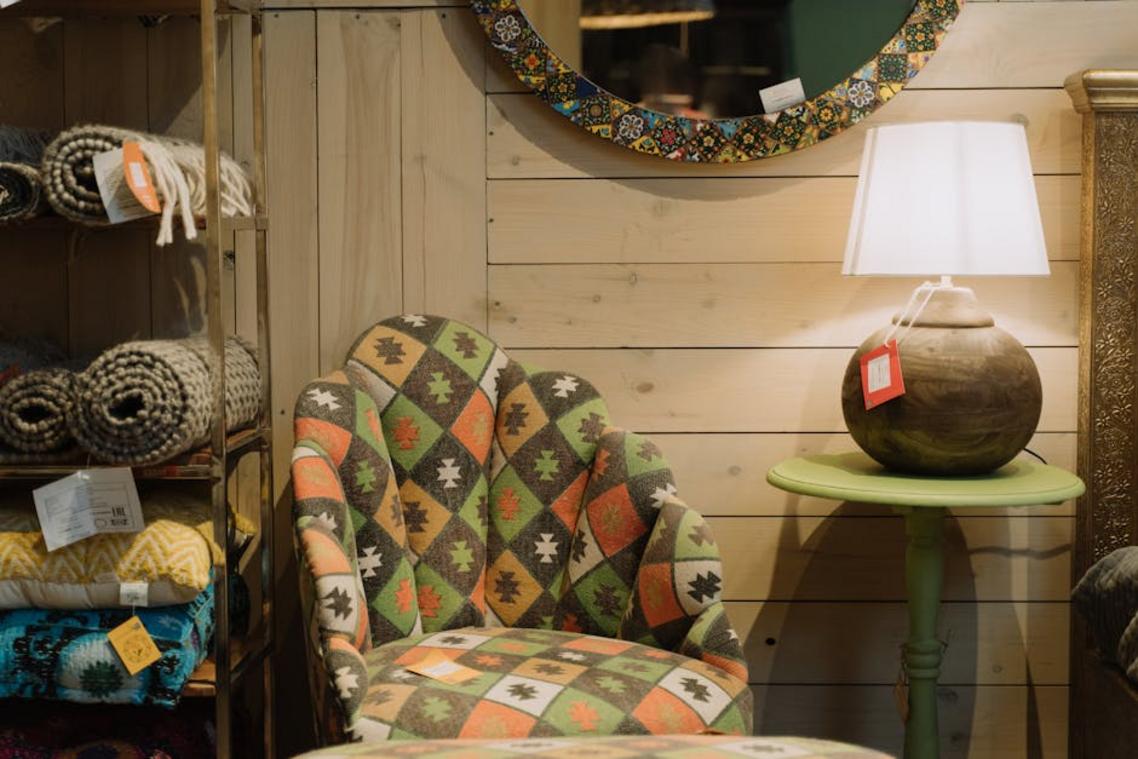
The secret to successfully mix and match furniture isn’t luck or an “eye for design.” It’s what designers call a common thread—a repeated visual element that links different pieces together so the room feels intentional. In psychology, this taps into the Gestalt principle of similarity, which shows that our brains naturally group similar objects together (Verywell Mind, 2023). In other words, if two items share something in common, your eye reads them as related—even if their styles are worlds apart.
Unify with Color
First, use a consistent color palette. A sleek modern chair and an ornate vintage dresser suddenly make sense together when both are painted navy, or when they echo the same accent color found in the rug or curtains. According to a 2023 Houzz survey, 67% of homeowners who renovated prioritized cohesive color schemes to create harmony across mixed styles. That’s not a coincidence. Color repetition builds instant visual continuity (and saves you from that “why doesn’t this work?” spiral).
Unify with Material or Finish
Next, connect pieces through shared materials. A chrome-legged table can subtly mirror the chrome hardware on a traditional credenza. Repeating a warm walnut tone across shelving and side tables creates cohesion—even if one piece leans mid-century and the other farmhouse. Designers often call this “material rhythm,” and it’s widely used in staged model homes to increase perceived value (National Association of Realtors, 2022).
Unify with Form or Shape
Finally, pay attention to silhouettes. Curved backs, rounded corners, or strong angular lines can quietly tie a room together. When shapes echo one another, the space feels deliberate—not chaotic (think less thrift store mashup, more curated gallery).
Mastering scale and balance is the fastest way to make a room feel intentional, not accidental. Even when you mix styles beautifully, mismatched proportions can make everything feel slightly “off.” A delicate, antique side table beside a bulky, modern sectional looks swallowed whole (and not in a good way).
Understanding Visual Weight
Visual weight refers to how heavy an object appears, regardless of its actual pounds. A dark, solid wood cabinet carries more presence than a glass-and-metal console of the same size. When you balance heavier pieces with lighter, leggy designs across the room, you create calm symmetry that feels effortlessly styled. The benefit? Your space feels cohesive, spacious, and easier to live in.
For example, if you own a heavy, ornate Victorian sofa, pair it with airy modern accent chairs instead of more carved pieces. This is how you confidently mix and match furniture without visual clutter.
A smart space optimization hack: align consoles, sideboards, and media units at similar heights to form a clean horizontal line. It instantly streamlines the room and amplifies harmony. For flooring balance, explore the ultimate guide to choosing rugs for every room.
When scale works, your home feels polished, purposeful.
Strategic grouping starts with thinking in zones rather than scattering decor randomly. For example, a cozy reading nook might pair an Eames-style lounge chair with a rustic reclaimed wood side table, creating contrast that feels curated, not chaotic. Some argue that open-plan spaces should stay fluid, without defined clusters. However, without intentional vignettes, rooms often feel unfinished (like a movie set waiting for actors).
Next, consider the rule of three—a styling principle where objects are arranged in trios to create visual balance. A lamp, a stack of books, and a small plant instantly feel complete. Critics say symmetry is safer. Yet overly matched layouts can look staged instead of lived-in.
Finally, let pieces breathe. Negative space—the empty area around objects—gives the eye a place to rest and highlights character. When you mix and match furniture thoughtfully, spacing prevents clutter and allows each piece to shine. Less truly becomes more here.
A few years ago, I stood in my living room staring at a mid-century coffee table beside a traditional sofa and thought, “Well… this doesn’t work.” Or so I assumed. In reality, the problem wasn’t the pieces—it was the lack of a plan.
Here’s what changed. I chose a dominant style (think 80/20 rule), found a common thread—warm walnut tones—and paid attention to scale (the secret sauce of design). Suddenly, I could mix and match furniture without chaos.
You don’t need all new pieces. Start small. Pick one room. Identify a shared color, material, or shape—and build your story from there.
Bring Your Space Together with Confidence
You came here looking for practical, stylish ways to mix and match furniture without your space feeling chaotic or mismatched. Now you have the foundational principles, trend insights, and space-planning techniques to create a home that feels cohesive, functional, and uniquely yours.
The frustration of rooms that feel “off”—pieces that don’t quite work together, wasted space, or décor that lacks personality—can make your home feel unfinished. The good news? With the right approach to balance, proportion, texture, and contrast, you can confidently combine styles and create a space that feels intentional instead of accidental.
Now it’s time to take action. Start by evaluating one room, choose a unifying element (color, material, or shape), and begin layering complementary pieces with purpose. If you want expert-backed styling insights, trend updates, and smart space optimization strategies that actually work, explore more of our in-depth décor guides today. Discover why readers trust us for practical, modern home styling advice—and transform your space with confidence.
 FOUNDER & CEO
There is a specific skill involved in explaining something clearly — one that is completely separate from actually knowing the subject. Veronicay Simpsonita has both. They has spent years working with decor trends and shifts in a hands-on capacity, and an equal amount of time figuring out how to translate that experience into writing that people with different backgrounds can actually absorb and use.
Veronicay tends to approach complex subjects — Decor Trends and Shifts, Pal Modern Interior Techniques, Highlight Hub being good examples — by starting with what the reader already knows, then building outward from there rather than dropping them in the deep end. It sounds like a small thing. In practice it makes a significant difference in whether someone finishes the article or abandons it halfway through. They is also good at knowing when to stop — a surprisingly underrated skill. Some writers bury useful information under so many caveats and qualifications that the point disappears. Veronicay knows where the point is and gets there without too many detours.
The practical effect of all this is that people who read Veronicay's work tend to come away actually capable of doing something with it. Not just vaguely informed — actually capable. For a writer working in decor trends and shifts, that is probably the best possible outcome, and it's the standard Veronicay holds they's own work to.
FOUNDER & CEO
There is a specific skill involved in explaining something clearly — one that is completely separate from actually knowing the subject. Veronicay Simpsonita has both. They has spent years working with decor trends and shifts in a hands-on capacity, and an equal amount of time figuring out how to translate that experience into writing that people with different backgrounds can actually absorb and use.
Veronicay tends to approach complex subjects — Decor Trends and Shifts, Pal Modern Interior Techniques, Highlight Hub being good examples — by starting with what the reader already knows, then building outward from there rather than dropping them in the deep end. It sounds like a small thing. In practice it makes a significant difference in whether someone finishes the article or abandons it halfway through. They is also good at knowing when to stop — a surprisingly underrated skill. Some writers bury useful information under so many caveats and qualifications that the point disappears. Veronicay knows where the point is and gets there without too many detours.
The practical effect of all this is that people who read Veronicay's work tend to come away actually capable of doing something with it. Not just vaguely informed — actually capable. For a writer working in decor trends and shifts, that is probably the best possible outcome, and it's the standard Veronicay holds they's own work to.