Ever feel like your living space is stuck in the past while the world moves forward? I get it. The good news is that sustainable decor trends are stylish but also guilt-free.
Who doesn’t want a home that’s both chic and eco-friendly? You might wonder if swapping out your current decor is worth it. Let me tell you, it absolutely is.
People are waking up to the reality that our choices matter, and this shift is happening in our homes too.
You don’t need to compromise on style for sustainability. That’s a myth. From reclaimed wood furniture to organic textiles, the options are endless and stunning.
Trust me, I’ve seen these changes make homes not just beautiful but meaningful. We even talked to experts who are leading this movement.
Ready to dive into a world where your home is a reflection of your values? This article will guide you through the best sustainable decor choices, making it easy and exciting to transform your space.
Beyond the Buzzwords: Eco-Friendly Design Unpacked
Eco-friendly design. Sounds fancy, right? But trust me, it’s just about making smart choices.
Think of it like cooking with fresh, local ingredients instead of processed junk. It feels better and looks better.
First, let’s talk about reducing waste. Ever heard of buying things that last? It’s like choosing a classic leather jacket over a fast-fashion knockoff.
It sticks around and ages well. Next up, we have using healthy materials. This means picking stuff that’s good for you and the earth.
Imagine swapping out plastic for wood; it’s like using real butter instead of margarine.
And lastly, connecting with nature. It’s about bringing a bit of the outside in, creating a space that calms you. Maybe a plant or two? (They’re the new black.)
The good news? You don’t have to go all-in from day one. Take baby steps.
Try a few sustainable decor trends and see what sticks. Honestly, you might even find yourself circling back to the return of vintage decor elements. Now, who said eco-friendly had to be boring?
It’s all about those small changes that make you feel more connected and authentic.
Trend Spotlight: Biophilic Design (Bringing) the Outdoors In
Biophilic design isn’t just a buzzword; it’s a movement. It’s about connecting our homes with nature to boost our well-being. Think it’s just about throwing in a few houseplants?
Think again. It’s a complete approach that transforms your space and your mood.
So how do you bring the outdoors in? It’s simpler than you think.
First off, maximize natural light. This is a game changer. Use sheer curtains that let the light flood in.
Got mirrors? Place them strategically to bounce light around. And for heaven’s sake, keep those windowsills clear.
You don’t want anything blocking that sunshine, trust me.
Next, let’s talk textures. Natural textures add warmth (unfinished) wood, rattan, jute rugs, linen throws. You can even use stone coasters.
These materials don’t just look good; they feel good too. It’s all about creating a space that invites you to kick back and relax.
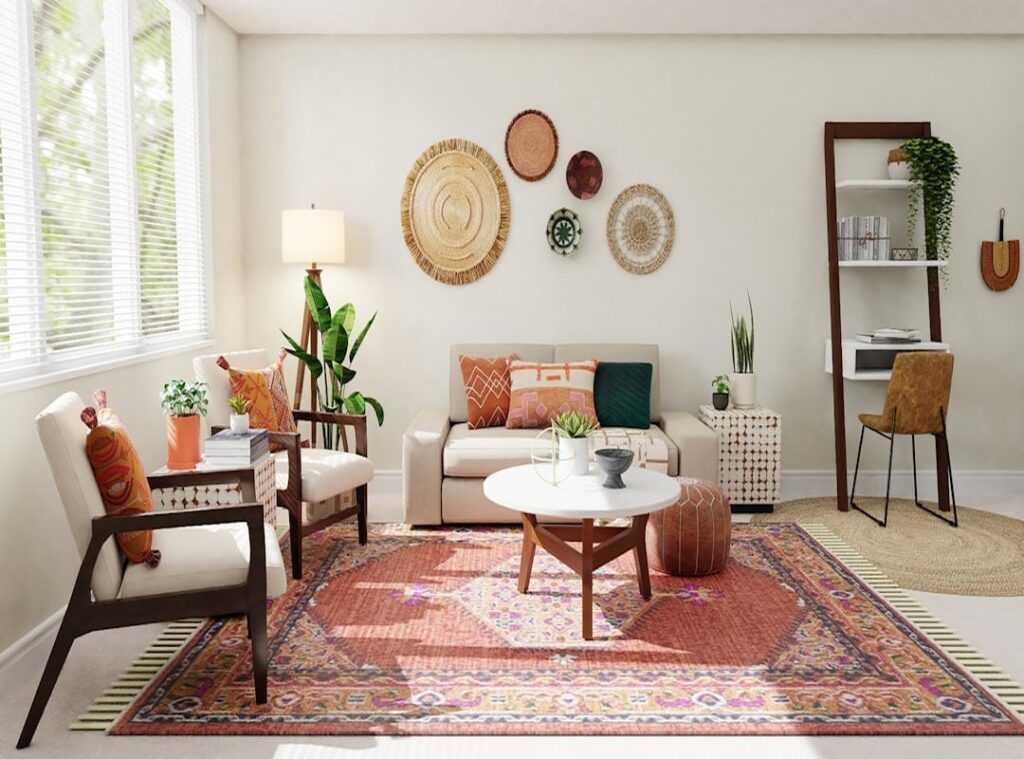
Now, color palettes. Go for earthy tones like sage green, terracotta, sandy beige, and soft blues. These colors create a serene atmosphere, perfect for unwinding after a long day.
You know that feeling when you step into a room that just feels right? That’s what we’re aiming for.
Pro tip: Don’t forget that this isn’t just about aesthetics. It’s part of a broader push towards sustainable decor trends. By choosing natural materials and palettes, you’re doing your bit for the planet.
Incorporating biophilic design can transform not just your home, but your whole vibe. It’s about bringing a touch of the outdoors into our living spaces. Who wouldn’t want a home that feels like a sanctuary?
Trend Spotlight: Vintage Finds & Upcycled Charm
I’ve always believed that vintage and second-hand items are more than just “old stuff.” They’re pieces with a story, a soul, and let’s face it, they add a unique charm to any modern home. But doesn’t everyone worry about clutter? I get it.
No one wants their home to look like a scene from a 70s sitcom.
Here’s a tip: use a “one-in, one-out” rule. It’s a game-changer for keeping things curated and fresh.
When you’re hunting for vintage treasures, look for items like a vintage armchair or a unique piece of art. Antique mirrors can transform a space, and beautifully crafted wooden side tables are timeless. These are the kinds of sustainable decor trends that make your space feel layered and lived-in (not like a museum).
Now, where do you find these gems? Local flea markets are goldmines. Ever tried online marketplaces like Facebook Marketplace?
You’ll be surprised what you can find. Thrift stores also hold hidden treasures (it’s) all about approaching it like a treasure hunt.
I know some of you are thinking, “But what about matching all this with my smart home gadgets?” Well, integrating these finds with your tech-savvy home is easier than you think. In fact, there’s a great piece on how to maximize comfort smart home technologies that can show you how these worlds blend seamlessly.
The charm of conscious consumption is a trend worth embracing. Vintage and upcycled items aren’t just for the eco-warrior. They bring depth and personality to your home.
So, why not give it a try? You might just find that perfect piece that speaks to you (and doesn’t break the bank).
Trend Spotlight: Smart & Sustainable Materials
Sustainability isn’t just a buzzword (it’s) a movement. And it’s changing how we think about materials in our homes. When I first heard about sustainable decor trends, I thought it was all about aesthetics.

But it’s so much more. to the world of smart materials that are as beautiful as they are responsible.
Furniture and decor have seen a shift toward materials like bamboo and cork. Fast-growing and renewable, these are the superheroes of the sustainable world. If you’re like me, you might wonder why FSC-certified wood matters.
It’s simple. It ensures that the wood is harvested in a way that protects forests. So your chic coffee table isn’t just stylish, it’s part of a larger solution.
On the textile front, organic cotton, linen, and hemp have become the soft touch your home craves. These fabrics aren’t just eco-friendly. They’re breathable and perfect for your bedding and curtains.
Who wouldn’t love waking up to a healthier home environment? And yes, they look fantastic too.
Now, let’s talk about paint. Those low-VOC or zero-VOC labels mean fewer chemicals in the air. Translation: cleaner, healthier air inside your home.
It’s a small change with a big impact.
Quality over quantity is key here. Investing in durable pieces might seem costly upfront, but they last longer. Curious about more trends?
Check out this overview of sustainable decor trends. It’ll open your eyes to how these choices make a real difference.
Start Simple: Easy Sustainable Swaps
Feeling stuck? Starting is often the hardest part, isn’t it? But let’s keep it simple.
Here are three easy swaps you can make today.
- Swap your lightbulbs: Switch to energy-fast LED bulbs. They last longer and come in warm, inviting tones. Not just a smart move for your wallet, but also a nod to sustainable decor trends.
- Swap a synthetic throw for a natural one: Ditch the polyester for a linen or organic cotton throw. It’s an instant upgrade (and who doesn’t love a little natural texture on the sofa?).
- Swap an empty corner for a plant: Consider adding a snake plant or pothos. They’re low-maintenance and bring life to any room. Why let that corner stay empty when it can breathe?
These swaps are low-cost, low-stress. You can start today. Have you tried any yet?
They might just change the vibe of your space.
Make Your Home Feel Good
We all want a home that looks great and feels right. But let’s get real. It’s about making choices you love, not chasing perfection.
So, why not dive into sustainable decor trends? Start small. Try one idea from this article.
See how it fits. Remember, every change counts. You’re not just decorating; you’re making a statement.
Ready to make your space reflect who you are? Visit mintpaldecor.com.co now for inspiration.
 FOUNDER & CEO
There is a specific skill involved in explaining something clearly — one that is completely separate from actually knowing the subject. Veronicay Simpsonita has both. They has spent years working with decor trends and shifts in a hands-on capacity, and an equal amount of time figuring out how to translate that experience into writing that people with different backgrounds can actually absorb and use.
Veronicay tends to approach complex subjects — Decor Trends and Shifts, Pal Modern Interior Techniques, Highlight Hub being good examples — by starting with what the reader already knows, then building outward from there rather than dropping them in the deep end. It sounds like a small thing. In practice it makes a significant difference in whether someone finishes the article or abandons it halfway through. They is also good at knowing when to stop — a surprisingly underrated skill. Some writers bury useful information under so many caveats and qualifications that the point disappears. Veronicay knows where the point is and gets there without too many detours.
The practical effect of all this is that people who read Veronicay's work tend to come away actually capable of doing something with it. Not just vaguely informed — actually capable. For a writer working in decor trends and shifts, that is probably the best possible outcome, and it's the standard Veronicay holds they's own work to.
FOUNDER & CEO
There is a specific skill involved in explaining something clearly — one that is completely separate from actually knowing the subject. Veronicay Simpsonita has both. They has spent years working with decor trends and shifts in a hands-on capacity, and an equal amount of time figuring out how to translate that experience into writing that people with different backgrounds can actually absorb and use.
Veronicay tends to approach complex subjects — Decor Trends and Shifts, Pal Modern Interior Techniques, Highlight Hub being good examples — by starting with what the reader already knows, then building outward from there rather than dropping them in the deep end. It sounds like a small thing. In practice it makes a significant difference in whether someone finishes the article or abandons it halfway through. They is also good at knowing when to stop — a surprisingly underrated skill. Some writers bury useful information under so many caveats and qualifications that the point disappears. Veronicay knows where the point is and gets there without too many detours.
The practical effect of all this is that people who read Veronicay's work tend to come away actually capable of doing something with it. Not just vaguely informed — actually capable. For a writer working in decor trends and shifts, that is probably the best possible outcome, and it's the standard Veronicay holds they's own work to.