
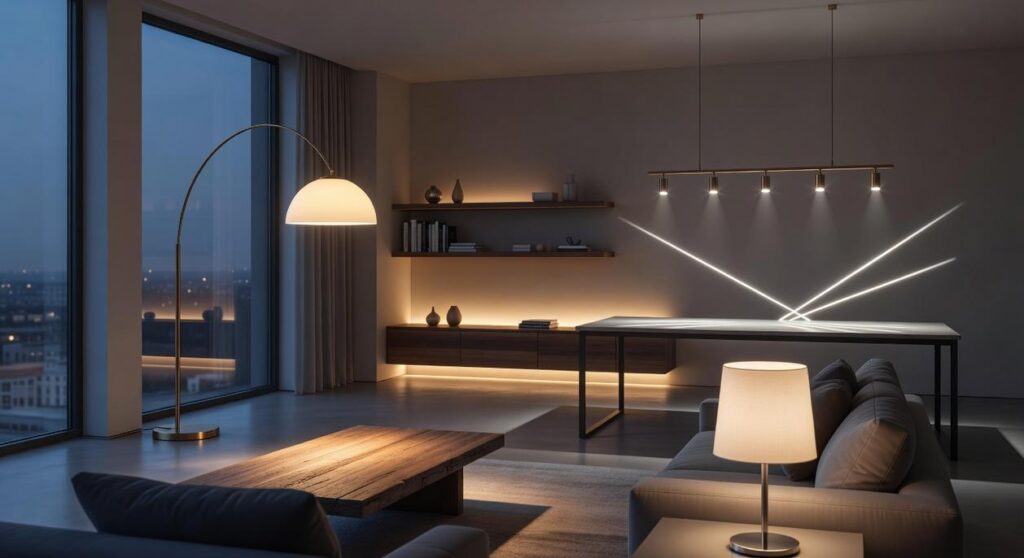
If you’re searching for practical, stylish ways to elevate your space, this guide to cozy living room styling is designed to give you exactly that—clear ideas, modern techniques, and smart space-enhancing strategies that actually work. Creating a warm, inviting living room isn’t just about adding throw blankets and candles; it’s about balancing layout, texture, lighting, and color to build a space that feels both functional and personal.
In this article, you’ll discover actionable styling tips, space optimization hacks, and trend-forward decor ideas that transform any living room—whether you’re working with a compact apartment or a spacious open-plan layout. We’ve analyzed current interior trends, consulted professional styling principles, and referenced proven design techniques to ensure every recommendation is practical and results-driven.
By the end, you’ll have a clear roadmap to create a living room that feels cohesive, comfortable, and effortlessly modern—without guesswork or overwhelming design jargon.
Your living room should feel like a sanctuary, not a furniture showroom. Start with layout: create a “conversation zone,” meaning seating arranged to face each other for easy talk (no one likes shouting across a coffee table). Layer texture—think chunky knits, velvet, wood—because varied surfaces signal warmth to the brain, a principle designers call “tactile richness.” Add lighting at three levels: ambient, task, accent; harsh overheads are the villain in this rom-com. Finally, personalize ruthlessly—books, photos, that quirky lamp. Studies show meaningful objects boost well-being (APA). Pro tip: embrace cozy living room styling by editing, not overcrowding—comfort needs breathing room.
The Foundation: Mastering Layout for Flow and Conversation
Great design isn’t about buying more furniture. It’s about placing what you have with purpose. Let’s clarify a few core ideas that make a living room actually work.
The “Conversation Circle” Principle
A conversation circle simply means arranging seating so people can talk comfortably without raising their voices. Keep chairs and sofas no more than 8 feet apart. If everyone has to lean forward and shout, the layout is too spread out (and no one wants to feel like they’re in a board meeting). Yes, some argue that everything should face the TV—but unless movie night is your only activity, conversation deserves equal priority.
Defining Zones with Rugs
An area rug anchors furniture, visually grouping it into one zone. At minimum, place the front legs of your sofa and chairs on the rug. This prevents the “floating furniture” effect that makes rooms feel disconnected.
• KEEP WALKWAYS CLEAR
Prioritizing Traffic Flow
Traffic flow refers to the natural paths people take through a room. Aim for 3 feet of clearance in main walkways to avoid that obstacle-course feeling.
The “Arm’s Reach” Rule
Every seat should have a table within easy reach. It’s a small move that elevates cozy living room styling and everyday comfort.
The Power of touch isn’t just poetic; it’s practical design. In fact, layering textiles is one of the most effective tools in cozy living room styling. When you combine plush velvet, chunky knits, breathable linen, and insulating wool, you create tactile contrast—a design principle that pairs different textures to heighten sensory interest. The benefit? A space that feels warm before you even sit down.
Start with pillow layering. Use two 22-inch square pillows at the ends, add two 20-inch versions in a contrasting fabric, then finish with a 14-by-20-inch lumbar or round cushion in the center. This formula works because varied proportions guide the eye inward, creating balance and depth. Moreover, mixing materials—say, a velvet base with a cable-knit accent—adds dimension without clutter.
Next, drape a throw blanket over the sofa arm or a reading chair. A high-quality cotton or wool throw signals comfort while providing functional warmth during cooler months. It also acts as a visual invitation to unwind (think of your favorite movie-night scene).
Underfoot, choose a high-pile rug with fibers at least half an inch tall. Thicker rugs absorb sound waves, reducing echo and making conversations feel more intimate. Finally, swap basic blinds for lined curtains. Fabric panels soften natural light, improve insulation, and enhance privacy. Layer sheers with heavier drapes for adjustable ambiance. The result is a room that doesn’t just look inviting—it feels like a gentle exhale. And that sensory richness turns everyday lounging into restorative ritual. A simple upgrade with lasting impact truly.
Setting the Mood: A Guide to Layered Lighting
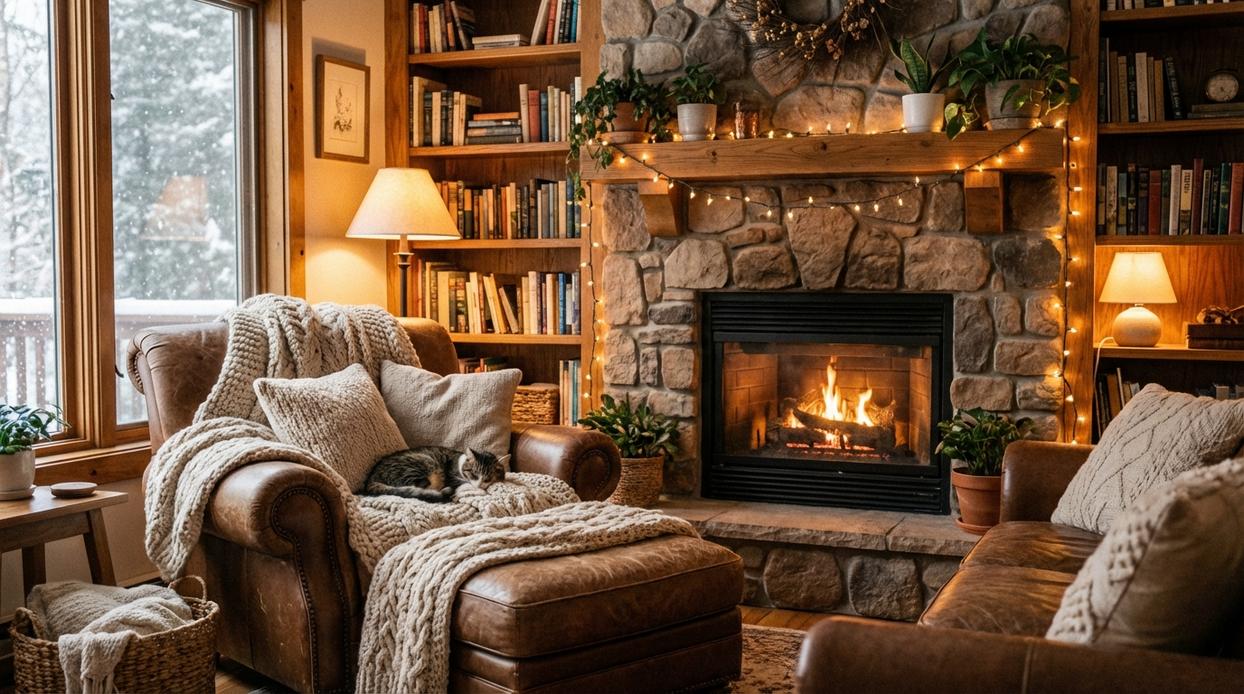
Lighting can make a beautifully furnished room feel either inviting or oddly clinical. If your space feels “off,” the fix usually isn’t new furniture—it’s better light. The solution? Layering.
First, understand the three layers of light. Ambient lighting is your main overhead source. Task lighting focuses on activities like reading or cooking. Accent lighting highlights features such as artwork or textured walls. When these three work together, a room feels balanced and intentional.
Many people rely on a single ceiling fixture (the dreaded “big light”). Some argue it’s simpler and brighter. True—but brightness alone doesn’t create comfort. In fact, harsh overhead light flattens a space and emphasizes shadows. Instead, install a dimmer switch so you can adjust intensity throughout the day.
Next, pay attention to bulb temperature. Choose warm white bulbs between 2700K and 3000K. This range mimics candlelight, creating a relaxed glow ideal for cozy living room styling.
For placement, put floor lamps in dark corners to visually expand the room. Add table lamps beside sofas to form intimate reading zones. Use small spotlights to draw attention to decor you love.
Pro tip: Stand in each corner at night—if one feels gloomy, add a light there.
Finishing Touches: Personal, Functional, and Clutter-Free Decor
The final layer of a room is where comfort either clicks—or falls flat. My recommendation? Decorate with meaning first. Choose framed photos, dog-eared novels, or travel finds over generic wall art. Personal objects create emotional warmth (and yes, guests notice).
Next, bring nature in. A low-maintenance pothos, a bowl of river stones, or a wooden tray instantly softens hard lines. Studies show indoor plants can reduce stress and boost mood (NASA Clean Air Study). Even one plant can shift the energy.
Clutter, however, ruins even the best cozy living room styling. Use woven baskets, lidded boxes, or an ottoman with storage to hide remotes and chargers. Out of sight, calmer mind.
Finally, engage all senses. A subtle candle, linen spray, or fresh eucalyptus completes the atmosphere. Pro tip: stick to one signature scent so your space feels intentional, not overwhelming. Keep it simple, meaningful, and functional.
Bringing Your Comfortable Oasis to Life
You now have a toolkit to turn your living room from simple space into a haven. Still, I’ll admit something: there’s no universal formula for comfort. What feels calming to one person might feel cluttered to another.
If discomfort lingers, it’s from a one-dimensional approach. Try layering:
- Layout that invites conversation.
- Textures that beg to be touched.
- Lighting that flatters, not fluoresces.
This is the heart of cozy living room styling—a multi-sensory experience. I can’t promise perfection, but start this weekend with a throw blanket and floor lamp. Notice what shifts.
Bring Your Living Room Together with Confidence
You started this guide looking for practical ways to elevate your space and finally achieve that warm, inviting atmosphere that feels both stylish and functional. Now you have the tools, ideas, and modern techniques to make it happen.
A living room that feels disjointed, cramped, or uninspired can affect how you relax and entertain. By applying smart layout planning, layered textures, intentional lighting, and thoughtful decor choices, you can transform your space into one that truly reflects your lifestyle. cozy living room styling isn’t about adding more — it’s about choosing better.
Don’t let your living room remain “almost there.” Start by rearranging your layout, refreshing your soft furnishings, or incorporating one focal piece that ties everything together. Small, strategic updates can create a dramatic shift.
If you’re ready to stop guessing and start styling with clarity, explore our expert-backed decor guides and space optimization tips today. We’re a trusted source for modern interior inspiration, helping countless readers turn ordinary rooms into beautifully balanced spaces. Dive in now and create a living room you’ll love coming home to.
 FOUNDER & CEO
There is a specific skill involved in explaining something clearly — one that is completely separate from actually knowing the subject. Veronicay Simpsonita has both. They has spent years working with decor trends and shifts in a hands-on capacity, and an equal amount of time figuring out how to translate that experience into writing that people with different backgrounds can actually absorb and use.
Veronicay tends to approach complex subjects — Decor Trends and Shifts, Pal Modern Interior Techniques, Highlight Hub being good examples — by starting with what the reader already knows, then building outward from there rather than dropping them in the deep end. It sounds like a small thing. In practice it makes a significant difference in whether someone finishes the article or abandons it halfway through. They is also good at knowing when to stop — a surprisingly underrated skill. Some writers bury useful information under so many caveats and qualifications that the point disappears. Veronicay knows where the point is and gets there without too many detours.
The practical effect of all this is that people who read Veronicay's work tend to come away actually capable of doing something with it. Not just vaguely informed — actually capable. For a writer working in decor trends and shifts, that is probably the best possible outcome, and it's the standard Veronicay holds they's own work to.
FOUNDER & CEO
There is a specific skill involved in explaining something clearly — one that is completely separate from actually knowing the subject. Veronicay Simpsonita has both. They has spent years working with decor trends and shifts in a hands-on capacity, and an equal amount of time figuring out how to translate that experience into writing that people with different backgrounds can actually absorb and use.
Veronicay tends to approach complex subjects — Decor Trends and Shifts, Pal Modern Interior Techniques, Highlight Hub being good examples — by starting with what the reader already knows, then building outward from there rather than dropping them in the deep end. It sounds like a small thing. In practice it makes a significant difference in whether someone finishes the article or abandons it halfway through. They is also good at knowing when to stop — a surprisingly underrated skill. Some writers bury useful information under so many caveats and qualifications that the point disappears. Veronicay knows where the point is and gets there without too many detours.
The practical effect of all this is that people who read Veronicay's work tend to come away actually capable of doing something with it. Not just vaguely informed — actually capable. For a writer working in decor trends and shifts, that is probably the best possible outcome, and it's the standard Veronicay holds they's own work to.