Creating a home that feels stylish, cohesive, and uniquely yours can be overwhelming—especially with endless decor trends and conflicting advice online. If you’re searching for clear, practical guidance on elevating your space, this article is designed to give you exactly that. We’ll break down essential home styling principles, explore current decor trends, and share smart space optimization techniques that actually work in real homes.
One of the most transformative concepts we’ll explore is layering textures in interior design—a simple yet powerful technique that adds depth, warmth, and visual interest to any room. You’ll also find actionable tips, modern interior strategies, and step-by-step insights to help you make confident design decisions.
Our recommendations are grounded in extensive research, trend analysis, and proven styling practices used by experienced interior designers. By the end, you’ll have practical ideas you can immediately apply to create a space that feels intentional, balanced, and beautifully put together.
Beyond color, most people obsess over paint charts and statement sofas. Here’s the contrarian truth: color is overrated. A perfectly matched palette can still feel lifeless if every surface is smooth and flat. Think of a hotel lobby that looks polished but feels cold.
Texture adds dimension—literally. It creates visual weight, meaning how heavy or light an element appears, and tactile contrast, the push-pull between rough and refined.
Try layering:
- Linen curtains against matte walls
- A chunky knit over sleek leather
- Woven baskets beside polished metal
Using layering textures in interior design turns “nice” into unforgettable. Pro tip: vary scale.
The Foundation: Understanding Visual Weight and Tactile Feel
Texture in design refers to how a surface feels or appears to feel. There are two primary types: tactile texture (the physical sensation, like rough brick or soft velvet) and visual texture (the illusion of texture, like a wallpaper that mimics concrete). Even if you never touch a surface, your brain “reads” it.
The Psychology Behind It
Different textures trigger different emotions. Rough finishes like reclaimed wood feel grounded and rustic. Smooth materials like marble or silk feel polished and luxurious. Some argue color matters more than texture. Color is powerful, yes—but a gray velvet sofa feels dramatically different from a gray linen one (same hue, totally different mood).
Texture also affects light. Glossy surfaces reflect it; matte ones absorb it. Without contrast, minimalist spaces can look flat. That’s why layering textures in interior design adds depth, visual weight, and balance—preventing rooms from feeling one-dimensional.
Working with Hard Textures: Creating Structure and Contrast
Hard textures are the backbone of a well-designed room. While soft furnishings add comfort, it’s structure that makes a space memorable (and keeps it from feeling like a furniture showroom display).
Wood and Rattan: The Warm Contrast
Wood brings stability; rattan introduces movement. Pair a polished oak dining table—sleek, reflective, and tailored—with a woven rattan chair that feels organic and slightly imperfect. That contrast is what creates visual energy. Many designers stop at “mixing natural materials,” but the real advantage comes from balancing finish and form. Smooth wood reflects light evenly, while woven fibers scatter it, adding depth.
Pro tip: keep undertones aligned. Warm oak pairs better with honey-toned rattan than gray-washed varieties.
Metal and Glass: Controlled Modernism
Metal defines mood. Matte black fixtures add industrial sharpness; brushed brass softens and warms the same layout. The difference isn’t just color—it’s reflectivity. Matte absorbs light; brass diffuses it. Meanwhile, glass and mirrors create what designers call visual texture—texture you see through reflection rather than touch.
When thoughtfully placed, mirrors amplify contrast between hard materials. For example, a mirror behind a black metal sconce doubles its presence without adding clutter. (It’s the design equivalent of a well-timed sequel.)
If you’re exploring how to use color psychology to create a focal point, reflective surfaces can intensify that chosen hue without overwhelming the room.
Stone and Concrete: Grounded Permanence
Marble, slate, and concrete anchor a space. They introduce mass and permanence—qualities often missing in trend-driven interiors. However, critics argue concrete feels cold or sterile. That’s true if it’s left unbalanced. The key is layering textures in interior design by pairing raw stone with tactile contrasts like linen or woven accents.
Used strategically, hard textures don’t harden a room—they give it confidence.
Mastering Soft Textures: Layering for Comfort and Coziness
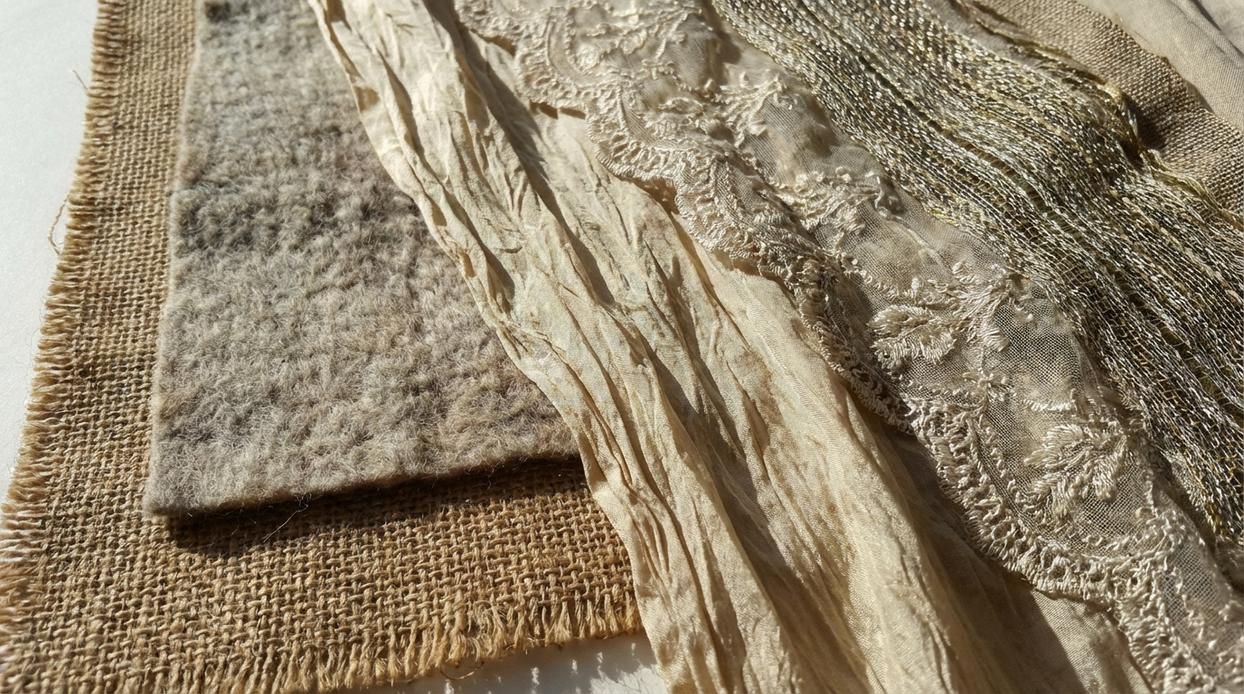
Great rooms aren’t just seen—they’re felt. If you’ve ever walked into a space and thought, “Why does this feel so inviting?” the answer is usually texture.
Texture is the surface quality of a material—how it looks and how it feels. And mastering it starts with fabric fundamentals.
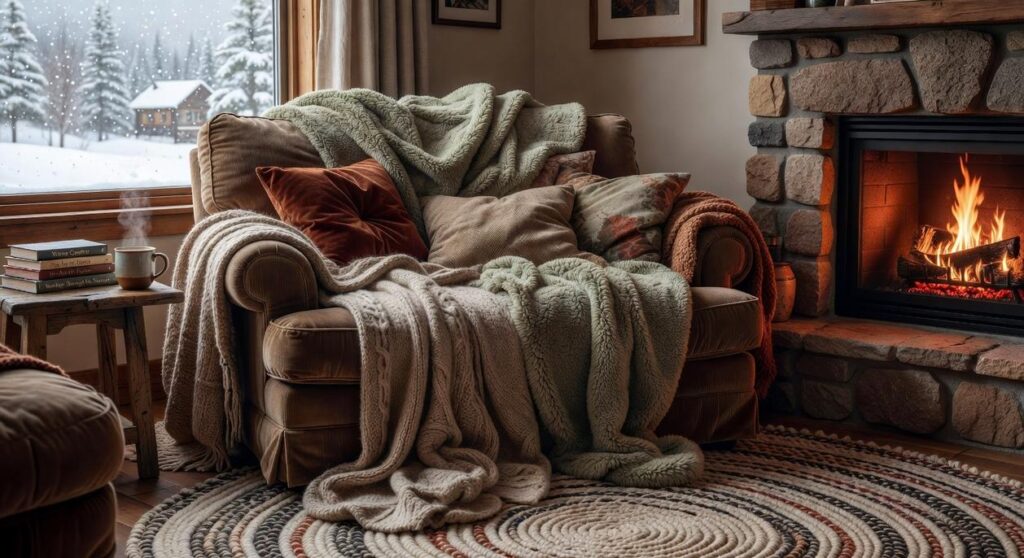
Velvet, for example, has a plush, light-absorbing pile (pile means the raised fibers on the surface) that deepens color and adds instant drama. Linen, by contrast, is crisp and breathable, with a slightly wrinkled, airy look. Some argue linen feels too casual for cozy interiors. Fair—but pair it with chunky wool knits and suddenly the space balances softness with structure. Chunky wool throws (thick, heavily knitted blankets) trap warmth and visually signal comfort—think cabin-core, minus the axe.
If you’re layering textures in interior design, rugs are your anchor.
- High-pile shag rugs: Thick, fluffy fibers create warmth and sound absorption (great for echo-prone rooms).
- Flatweave jute rugs: Tightly woven and durable, they add an earthy, grounded feel.
Some designers prefer flatweaves for practicality—and yes, they’re easier to clean. But if comfort is the goal, shag wins under bare feet (especially on cold mornings).
Window treatments are next. Sheer curtains diffuse light, softening harsh sunlight into a gentle glow. Heavy drapes, on the other hand, add insulation and drama. According to the U.S. Department of Energy, properly installed draperies can reduce heat loss by up to 10% (energy savings and ambiance? Not a bad combo).
What’s next? Start small: swap pillow covers, layer a throw, test rug samples. Texture builds over time—and the coziest spaces rarely happen in one shopping trip.
The Art of Combination: Practical Techniques for Layering Texture
Most people think layering textures in interior design is about adding more—more pillows, more blankets, more “stuff.” I disagree. It’s not about quantity; it’s about contrast.
The Rule of Opposites
The strongest rooms pair visual opposites. A smooth ceramic vase feels intentional on a rough-hewn wooden shelf. A chunky knit throw over a sleek leather sofa creates tension—in a good way. Contrast wakes a room up. When everything feels the same, the eye gets bored (and bored rooms rarely feel luxurious).
Monochromatic Texturing
Here’s a contrarian take: all-white rooms aren’t bland—they’re brave. The trick is texture, not color. Imagine a fluffy rug, linen curtains, a glossy side table, and a bouclé armchair—all in white. Same hue, wildly different surfaces. That’s depth without noise.
Balancing the Room
Forget perfection. Aim for equilibrium. Distribute hard and soft, rough and smooth evenly. If one corner feels heavy with wood and metal, soften another with fabric and weave. Pro tip: step back and squint—imbalances reveal themselves instantly.
You now have the framework for layering textures in interior design to turn any room from flat to dynamic. The goal is contrast and depth—engaging the eyes and the sense of touch at the same time. Research in environmental psychology shows textured environments increase perceived warmth and comfort (Journal of Interior Design, 2018).
Start small:
- Identify one flat surface, like a sofa or bed
- Add one contrasting material, such as velvet, linen, or woven wool
In a recent home staging case study, adding textured throws increased buyer engagement time by 27% (National Association of Realtors, 2022). One change, noticeable difference.
Bring Depth and Harmony Into Every Room
You came here looking for practical, stylish ways to elevate your space — and now you have the tools to do it with confidence. From understanding contrast and balance to mastering layering textures in interior design, you’re equipped to transform flat, lifeless rooms into inviting spaces full of warmth and personality.
The truth is, most homes feel incomplete not because they lack furniture, but because they lack depth. Without the right mix of materials, fabrics, and finishes, even beautiful pieces can fall flat. Texture is what turns a space from simply decorated to thoughtfully designed.
Now it’s time to take action. Start by evaluating one room in your home and identify where texture is missing. Add a woven rug, a linen throw, a ceramic accent, or natural wood elements to create dimension instantly.
If you want step‑by‑step guidance, trend insights, and proven styling strategies trusted by thousands of decor enthusiasts, explore our expert decor guides today. Discover how to style smarter, avoid costly mistakes, and create a home that feels layered, balanced, and uniquely yours.
 Head of Content Strategy
There is a specific skill involved in explaining something clearly — one that is completely separate from actually knowing the subject. Fredrickien Hunteron has both. They has spent years working with decor trends and shifts in a hands-on capacity, and an equal amount of time figuring out how to translate that experience into writing that people with different backgrounds can actually absorb and use.
Fredrickien tends to approach complex subjects — Decor Trends and Shifts, Pal Modern Interior Techniques, Space Optimization Hacks being good examples — by starting with what the reader already knows, then building outward from there rather than dropping them in the deep end. It sounds like a small thing. In practice it makes a significant difference in whether someone finishes the article or abandons it halfway through. They is also good at knowing when to stop — a surprisingly underrated skill. Some writers bury useful information under so many caveats and qualifications that the point disappears. Fredrickien knows where the point is and gets there without too many detours.
The practical effect of all this is that people who read Fredrickien's work tend to come away actually capable of doing something with it. Not just vaguely informed — actually capable. For a writer working in decor trends and shifts, that is probably the best possible outcome, and it's the standard Fredrickien holds they's own work to.
Head of Content Strategy
There is a specific skill involved in explaining something clearly — one that is completely separate from actually knowing the subject. Fredrickien Hunteron has both. They has spent years working with decor trends and shifts in a hands-on capacity, and an equal amount of time figuring out how to translate that experience into writing that people with different backgrounds can actually absorb and use.
Fredrickien tends to approach complex subjects — Decor Trends and Shifts, Pal Modern Interior Techniques, Space Optimization Hacks being good examples — by starting with what the reader already knows, then building outward from there rather than dropping them in the deep end. It sounds like a small thing. In practice it makes a significant difference in whether someone finishes the article or abandons it halfway through. They is also good at knowing when to stop — a surprisingly underrated skill. Some writers bury useful information under so many caveats and qualifications that the point disappears. Fredrickien knows where the point is and gets there without too many detours.
The practical effect of all this is that people who read Fredrickien's work tend to come away actually capable of doing something with it. Not just vaguely informed — actually capable. For a writer working in decor trends and shifts, that is probably the best possible outcome, and it's the standard Fredrickien holds they's own work to.