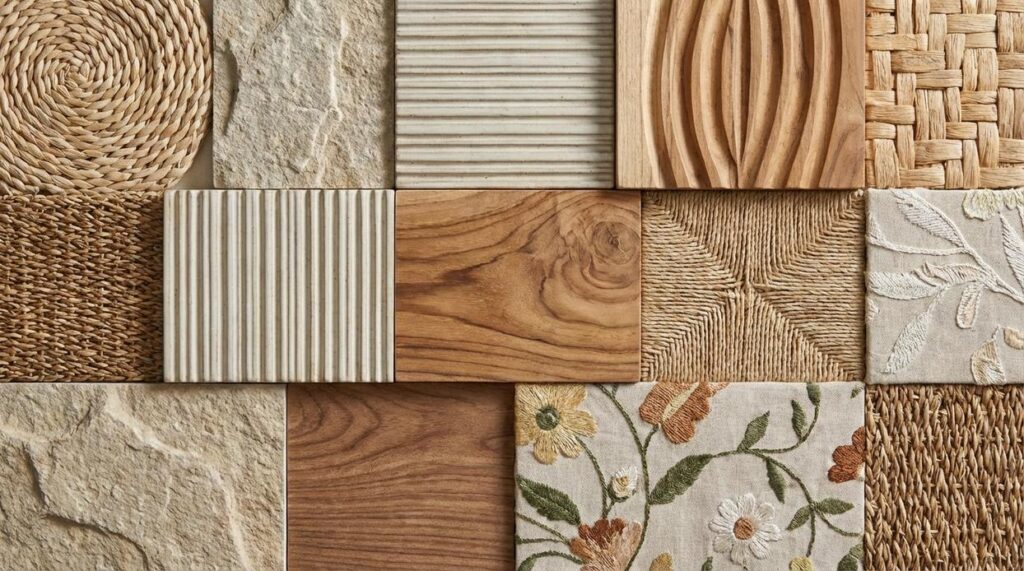
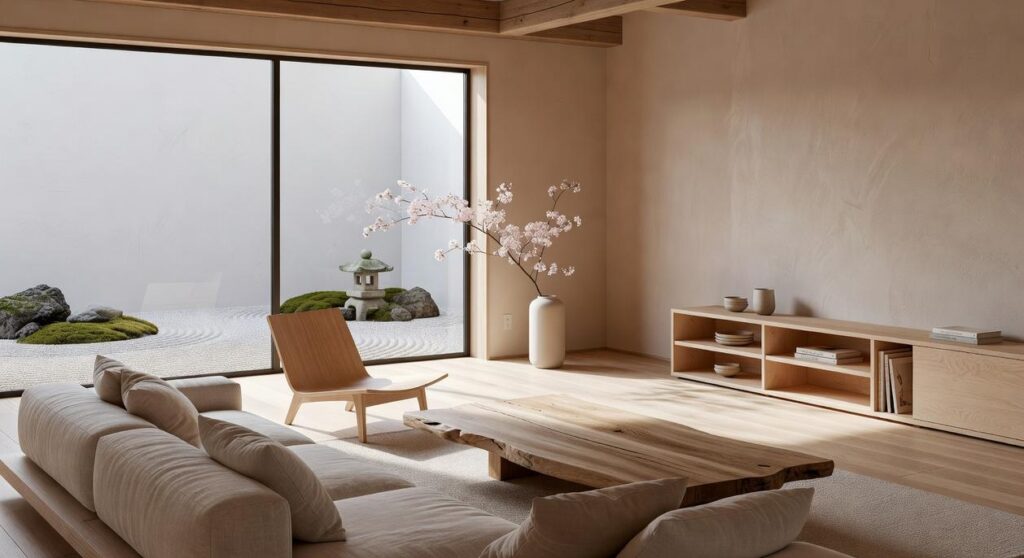
Designing a home that stands the test of time doesn’t mean choosing between style and responsibility. Today’s sustainable decor trends prove that you can create a refined, modern space while making environmentally conscious choices. Many homeowners assume eco-friendly design leans overly rustic or compromises on elegance—but that’s a myth. In this guide, we’ll explore popular decor styles that naturally embrace sustainability, showing how thoughtful materials, timeless aesthetics, and smart design decisions can work together beautifully. Backed by deep interior design expertise and practical experience, this article offers actionable ideas to help you craft a space that’s enduring, stylish, and kind to the planet.
Minimalism: The Ultimate Eco-Style of “Less is More”
Minimalism isn’t about empty rooms or living like a monk. At its core, it’s the philosophy of buy less, but better. That simple shift directly challenges the fast-furniture cycle—cheap pieces, short lifespans, landfill endings (we’ve all had that wobbly bookshelf).
When we talk about minimalism, we mean:
- Uncluttered surfaces that reduce visual and mental noise
- Multi-functional furniture, like storage ottomans or extendable tables
- Neutral palettes inspired by wood, linen, clay, and stone
- Craftsmanship that prioritizes durability over trends
Some critics argue minimalism feels cold or restrictive. Fair point—no one wants a home that looks like a waiting room. But done right, it’s warm, layered, and deeply personal. The difference? Intention.
Instead of buying three trendy dining tables over a decade, invest in one solid wood piece that ages beautifully. Solid hardwood furniture can last generations with proper care (U.S. Forest Service). Pro tip: look for kiln-dried wood and traditional joinery for longevity.
Minimalism also makes smaller spaces feel expansive, reducing the urge to upgrade to a larger footprint. What’s next? Explore sustainable decor trends, experiment with modular layouts, and audit each room: does every item serve a purpose—or tell a story?
Biophilic Design: Connecting Your Home to the Natural World
I didn’t realize how disconnected my apartment felt until I brought home a single fern. Within a week, the space felt calmer—like it could finally exhale (and honestly, so could I). That’s the heart of biophilic design, a style that integrates natural elements into interiors to boost well-being and strengthen our connection to the outdoors. Studies show that exposure to natural elements indoors can reduce stress and improve mood (University of Exeter, 2014).
At its core, biophilic design means abundant indoor plants, raw materials, and as much natural light as possible. Think stone countertops, reclaimed wood shelves, bamboo accents, and sunlight prioritized over harsh overhead bulbs.
Sustainable Materials That Matter
| Material | Why It’s Sustainable | Practical Benefit |
|—————-|———————-|——————-|
| Cork flooring | Harvested from bark without cutting the tree | Soft, sound-absorbing |
| Bamboo | Fast-growing grass | Durable and modern |
| Reclaimed wood | Reduces landfill waste | Adds character |
Some argue plants and specialty materials are high-maintenance or costly. Fair—but starting small works. I began with a tiny herb living wall in my kitchen. Fresh basil within arm’s reach? Game changer.
Try linen or organic cotton textiles, rearrange furniture to catch morning light, and layer in greenery gradually. These sustainable decor trends aren’t about perfection—they’re about presence. (Pro tip: group plants together to create a humidity-friendly microclimate.)
Japandi: The Fusion of Functionality and Natural Serenity

Japandi blends Japanese rustic minimalism with Scandinavian practicality, creating interiors that feel calm, intentional, and quietly luxurious. At its core is wabi-sabi—a Japanese philosophy that finds beauty in imperfection and transience. Think hand-thrown ceramics with uneven rims or a linen sofa that softens over time (the kind of wear that tells a story, not screams “replace me”).
Key Elements That Define the Style
Japandi spaces favor clean architectural lines, muted palettes—warm whites, clay beiges, charcoal grays—and a thoughtful mix of light oak (a Scandinavian staple) with darker walnut or stained ash often seen in Japanese interiors. Paper lantern-style lighting diffuses a soft glow, while low-profile furniture emphasizes openness and flow. Each feature serves a purpose: fewer visual distractions mean less cognitive clutter, which studies link to reduced stress levels (American Psychological Association).
Built to Last, Not to Trend
Unlike fast-furniture cycles, Japandi champions artisan craftsmanship and solid wood construction. Mortise-and-tenon joinery, natural oil finishes, and handwoven textiles aren’t just aesthetic details—they extend product lifespan. Critics argue minimalism can feel stark or expensive upfront. Fair point. But investing in fewer, high-quality pieces often lowers long-term costs and environmental impact (Ellen MacArthur Foundation).
Creating the Look at Home
Start by decluttering. Prioritize furniture made from FSC-certified wood, add tactile layers like wool throws or stoneware, and explore sustainable decor trends that emphasize longevity over novelty. For deeper inspiration, see the rise of earthy tones and natural materials in modern interiors.
Pro tip: If an item isn’t functional and beautiful, it doesn’t make the cut.
The Conscious Decorator’s Toolkit: Universal Principles for Any Style
First, let’s challenge the idea that “new” equals better. In reality, the most sustainable item is one that already exists. Choosing secondhand or vintage pieces reduces landfill waste and carbon output (EPA notes furniture waste is a major landfill contributor). More importantly, it gives your space character no big-box store can replicate. Think less showroom, more story.
However, sustainability doesn’t stop at sourcing. Consider finishes:
- Low-VOC or zero-VOC paints improve indoor air quality (the EPA links VOC exposure to respiratory irritation).
- Natural oils and waxes outperform plastic-based sealants over time.
Next, textiles matter more than most guides admit. Hemp and organic linen outlast polyester, which sheds microplastics into waterways (UNEP reports synthetic fibers are a key ocean pollutant). Yes, synthetics are cheaper—but durability wins long term.
Finally, apply the 30-Year Rule: Will I still love and use this in 30 years? If not, pause. Trends fade; craftsmanship endures. That’s the real edge within sustainable decor trends.
Crafting Your Lasting, Conscious Sanctuary
You set out to discover how eco-friendly decor can truly transform your home—and now you’ve seen that it’s not a restrictive look, but a flexible philosophy expressed through Minimalism, Biophilic, and Japandi design. The real power behind sustainable decor trends lies in intentional choices: timeless pieces, natural materials, and designs you’ll love for decades.
If you’re tired of wasteful purchases and trend cycles that don’t last, this is your turning point. Start small—add a living plant, choose non-toxic paint, or explore a vintage shop before buying new.
For more expert-backed styling insights and practical guidance, explore our in-depth decor guides and start creating a home that feels as good as it looks.
 Head of Content Strategy
There is a specific skill involved in explaining something clearly — one that is completely separate from actually knowing the subject. Fredrickien Hunteron has both. They has spent years working with decor trends and shifts in a hands-on capacity, and an equal amount of time figuring out how to translate that experience into writing that people with different backgrounds can actually absorb and use.
Fredrickien tends to approach complex subjects — Decor Trends and Shifts, Pal Modern Interior Techniques, Space Optimization Hacks being good examples — by starting with what the reader already knows, then building outward from there rather than dropping them in the deep end. It sounds like a small thing. In practice it makes a significant difference in whether someone finishes the article or abandons it halfway through. They is also good at knowing when to stop — a surprisingly underrated skill. Some writers bury useful information under so many caveats and qualifications that the point disappears. Fredrickien knows where the point is and gets there without too many detours.
The practical effect of all this is that people who read Fredrickien's work tend to come away actually capable of doing something with it. Not just vaguely informed — actually capable. For a writer working in decor trends and shifts, that is probably the best possible outcome, and it's the standard Fredrickien holds they's own work to.
Head of Content Strategy
There is a specific skill involved in explaining something clearly — one that is completely separate from actually knowing the subject. Fredrickien Hunteron has both. They has spent years working with decor trends and shifts in a hands-on capacity, and an equal amount of time figuring out how to translate that experience into writing that people with different backgrounds can actually absorb and use.
Fredrickien tends to approach complex subjects — Decor Trends and Shifts, Pal Modern Interior Techniques, Space Optimization Hacks being good examples — by starting with what the reader already knows, then building outward from there rather than dropping them in the deep end. It sounds like a small thing. In practice it makes a significant difference in whether someone finishes the article or abandons it halfway through. They is also good at knowing when to stop — a surprisingly underrated skill. Some writers bury useful information under so many caveats and qualifications that the point disappears. Fredrickien knows where the point is and gets there without too many detours.
The practical effect of all this is that people who read Fredrickien's work tend to come away actually capable of doing something with it. Not just vaguely informed — actually capable. For a writer working in decor trends and shifts, that is probably the best possible outcome, and it's the standard Fredrickien holds they's own work to.