Struggling to make your compact home feel stylish, functional, and spacious? You’re not alone. With rising urban living and smaller floor plans, more people are searching for smart ways to maximize every square foot without sacrificing comfort or design. This guide is built specifically for readers who want practical, modern solutions that transform tight quarters into beautifully organized, livable spaces.
In this article, you’ll discover actionable small apartment space hacks that go beyond basic storage tips. We’ll explore clever layout strategies, multifunctional furniture ideas, vertical styling techniques, and space-enhancing decor methods that interior professionals rely on. Every recommendation is grounded in proven design principles and current decor trends to ensure your space feels intentional—not cramped.
Whether you’re refreshing a studio or optimizing a one-bedroom layout, this guide delivers clear, step-by-step insights to help you create a home that looks bigger, feels brighter, and works smarter for your lifestyle.
Unlock Your Apartment’s Hidden Potential
Small spaces can feel limiting. I won’t pretend there’s a single magic layout that works for everyone (if only it were that simple). But with the right strategy, you can rethink how your home functions.
Start with vertical storage—wall-mounted shelves, tall bookcases, and over-door organizers free up valuable floor space. Consider multifunctional furniture like storage ottomans or fold-out desks (yes, the kind that would make a tiny Paris flat jealous).
- Declutter ruthlessly
- Use mirrors to expand light
- Rotate seasonal items
These small apartment space hacks won’t solve everything, but they’re a proven starting point.
Think Vertically: The Untapped Real Estate Above Your Head
Look up. That blank stretch of wall between eye level and the ceiling? That’s prime real estate. In most small apartments, this vertical zone is the most underused space available—and optimizing it can dramatically increase both storage and visual impact.
Floor-to-Ceiling Shelving
First, consider tall, narrow bookcases or modular shelving systems that extend close to the ceiling. These units maximize cubic footage (that’s total usable volume, not just floor area) without expanding your footprint. Because they draw the eye upward, they also create the illusion of higher ceilings—a design trick frequently used in compact urban apartments (Architectural Digest often highlights this in small-space features). In practical terms, more vertical shelving means room for books, storage bins, and decor without crowding walkways. Pro tip: anchor tall units to wall studs for safety and stability.
Wall-Mounted Solutions
Next, think beyond traditional furniture. Floating shelves provide storage without bulky brackets, while wall-mounted desks that fold away free up valuable floor space when not in use. Similarly, hanging planters shift greenery off surfaces and into airy vertical layers. The benefit isn’t just aesthetic; it’s functional breathing room (and fewer toe-stubbing incidents).
Over-the-Door Organizers
Finally, don’t overlook over-the-door organizers. While often marketed for shoes, they’re equally effective for pantry staples, cleaning supplies, or bathroom toiletries. Because they utilize existing doors, installation is quick and renter-friendly.
In short, smart vertical planning is one of the most effective small apartment space hacks—and it starts by thinking above eye level.
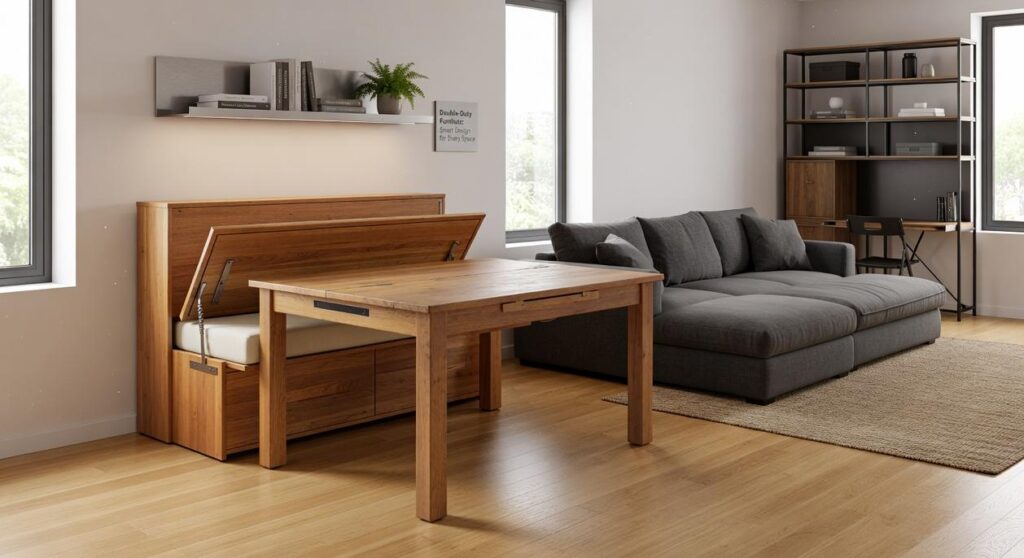
The Art of Double Duty: Choosing Multi-Functional Furniture

I firmly believe every large piece of furniture in a home should earn its keep. If it only does one job, it’s taking up valuable real estate (and in a small apartment, that’s prime property). The “work smarter, not harder” approach to interiors simply means this: each substantial piece should serve at least two purposes.
The Living Room
Take the living room. An ottoman bench with hidden storage isn’t just a footrest—it’s a blanket bin, board game vault, or quick-clean hiding spot before guests arrive. Sofa beds are another must. Some argue they’re bulky or less comfortable, but modern designs have improved dramatically, offering supportive mattresses that rival traditional beds (Wirecutter notes significant quality gains in newer models). Nesting coffee tables? I love them. Expand for movie night snacks, tuck them away when you need floor space.
The Bedroom
If I had to choose one hero piece, it’s the lift-up storage bed. Ottoman beds transform wasted under-bed space into organized storage for linens, seasonal clothing, or luggage. In my opinion, skipping this option in a compact bedroom is a missed opportunity. Headboards with built-in shelving also eliminate the need for bulky nightstands—practical and visually streamlined.
The Kitchen/Dining Area
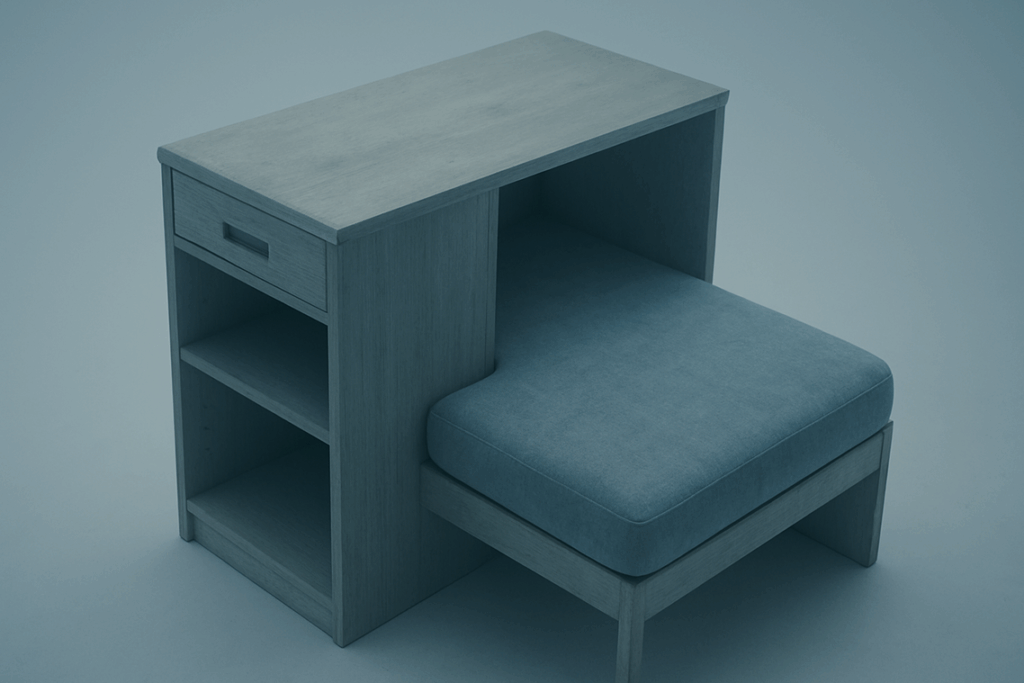
Drop-leaf dining tables are underrated. Keep them flush against the wall for everyday meals, then expand when friends visit (very Monica-from-Friends energy). Benches with storage underneath beat traditional chairs any day.
For even more small apartment space hacks, explore these creative vertical storage ideas for tiny homes: https://mintpaldecor.com.co/creative-vertical-storage-ideas-for-tiny-homes/.
Pro tip: Measure twice before buying—multi-functional only works if it actually fits.
Clever Concealment: Finding Storage in Unexpected Places
When people think about adding storage, they usually think bigger shelves or another dresser. However, the real win often comes from using what’s already there. Start with under-sofa and under-bed zones. Low-profile rolling containers and vacuum-sealed bags (a lifesaver for off-season clothing) turn forgotten gaps into functional storage. Critics argue these spots collect dust and are inconvenient. Fair point—but with labeled bins and casters, access becomes effortless and tidy.
Next, conduct a “dead space” audit. Look at awkward corners, the area above kitchen cabinets, or that sliver beside the fridge. These overlooked pockets can handle custom-cut shelving or decorative baskets that blend in while holding rarely used appliances. Most guides stop at “add a shelf.” Instead, measure vertical clearance and weight limits first—this prevents sagging and wasted installs (pro tip: painter’s tape helps you visualize dimensions before drilling).
Meanwhile, magnetic and adhesive solutions quietly outperform bulky organizers. Magnetic knife strips can hold scissors, tools, or even spice tins. Adhesive hooks inside cabinet doors tame measuring cups, and wall-mounted racks free precious counters. If you’re exploring small apartment space hacks, these micro-adjustments create breathing room without renovations. Sometimes the smartest storage isn’t added—it’s revealed.
Strategic Decluttering: The Foundation of a Functional Space
First, let’s be honest: no storage bin, basket, or built-in will save a home overflowing with stuff. Less is more isn’t a slogan—it’s a strategy. A packed closet (A) versus a curated one (B) shows the difference instantly: A feels chaotic, B feels breathable and usable.
Next, adopt the “One In, One Out” rule—a simple system where every new item replaces an old one. It’s sustainable and prevents slow clutter creep (yes, even from late-night online shopping).
Meanwhile, try the Seasonal Swap. Vacuum-sealed bags shrink bulky coats and bedding dramatically. Use small apartment space hacks wisely, and space multiplies—without adding a single shelf.
Your small space isn’t a life sentence; it’s a design puzzle waiting to be solved. Now that you have a complete toolkit, the shift from cramped to curated becomes practical, not theoretical. First, define vertical thinking—using wall height for storage instead of floor space—and pair it with multi-purpose furniture, meaning one item serves two or more functions (think sofa beds or lift-top tables). As a result, clutter stops roaming. These small apartment space hacks work because they build systems, not quick fixes. So start with one room this weekend, apply one change, and watch momentum build across your entire home.
Make the Most of Every Inch of Your Small Apartment
You started this guide looking for practical ways to make your small apartment feel bigger, more functional, and beautifully styled. Now you have the strategies to do exactly that.
Tight layouts, limited storage, and cluttered corners can make daily life frustrating. But with smart furniture choices, vertical storage, layered lighting, and small apartment space hacks, you can transform even the most compact space into a home that feels open, intentional, and uniquely yours.
The key is action. Choose one room and apply two or three of these techniques today—rearrange your layout, add wall-mounted storage, or incorporate mirrors to create depth. Small changes compound quickly in small spaces.
If you’re tired of feeling cramped and overwhelmed, it’s time to take control of your layout. Explore more expert-backed styling guides and proven small apartment space hacks to unlock hidden space, reduce clutter, and create a home that truly works for you. Start now and turn your apartment into a space that feels twice its size—without adding a single square foot.
 FOUNDER & CEO
There is a specific skill involved in explaining something clearly — one that is completely separate from actually knowing the subject. Veronicay Simpsonita has both. They has spent years working with decor trends and shifts in a hands-on capacity, and an equal amount of time figuring out how to translate that experience into writing that people with different backgrounds can actually absorb and use.
Veronicay tends to approach complex subjects — Decor Trends and Shifts, Pal Modern Interior Techniques, Highlight Hub being good examples — by starting with what the reader already knows, then building outward from there rather than dropping them in the deep end. It sounds like a small thing. In practice it makes a significant difference in whether someone finishes the article or abandons it halfway through. They is also good at knowing when to stop — a surprisingly underrated skill. Some writers bury useful information under so many caveats and qualifications that the point disappears. Veronicay knows where the point is and gets there without too many detours.
The practical effect of all this is that people who read Veronicay's work tend to come away actually capable of doing something with it. Not just vaguely informed — actually capable. For a writer working in decor trends and shifts, that is probably the best possible outcome, and it's the standard Veronicay holds they's own work to.
FOUNDER & CEO
There is a specific skill involved in explaining something clearly — one that is completely separate from actually knowing the subject. Veronicay Simpsonita has both. They has spent years working with decor trends and shifts in a hands-on capacity, and an equal amount of time figuring out how to translate that experience into writing that people with different backgrounds can actually absorb and use.
Veronicay tends to approach complex subjects — Decor Trends and Shifts, Pal Modern Interior Techniques, Highlight Hub being good examples — by starting with what the reader already knows, then building outward from there rather than dropping them in the deep end. It sounds like a small thing. In practice it makes a significant difference in whether someone finishes the article or abandons it halfway through. They is also good at knowing when to stop — a surprisingly underrated skill. Some writers bury useful information under so many caveats and qualifications that the point disappears. Veronicay knows where the point is and gets there without too many detours.
The practical effect of all this is that people who read Veronicay's work tend to come away actually capable of doing something with it. Not just vaguely informed — actually capable. For a writer working in decor trends and shifts, that is probably the best possible outcome, and it's the standard Veronicay holds they's own work to.