
Designing a beautiful, functional home can feel overwhelming—especially when you’re trying to balance style, comfort, and smart space usage. If you’re searching for a clear, practical interior design planning guide, this article is built to give you exactly that. We’ll walk you through the essential steps of planning a cohesive space, from defining your aesthetic and choosing color palettes to optimizing layouts and selecting decor that enhances both form and function.
Whether you’re refreshing a single room or reimagining your entire home, you’ll find actionable strategies rooted in modern interior techniques, current decor trends, and proven space optimization methods. Our guidance is based on in-depth research, hands-on styling principles, and industry-backed best practices to ensure you’re making confident, informed design decisions.
By the end, you’ll have a structured plan to transform your space thoughtfully—without costly mistakes or guesswork.
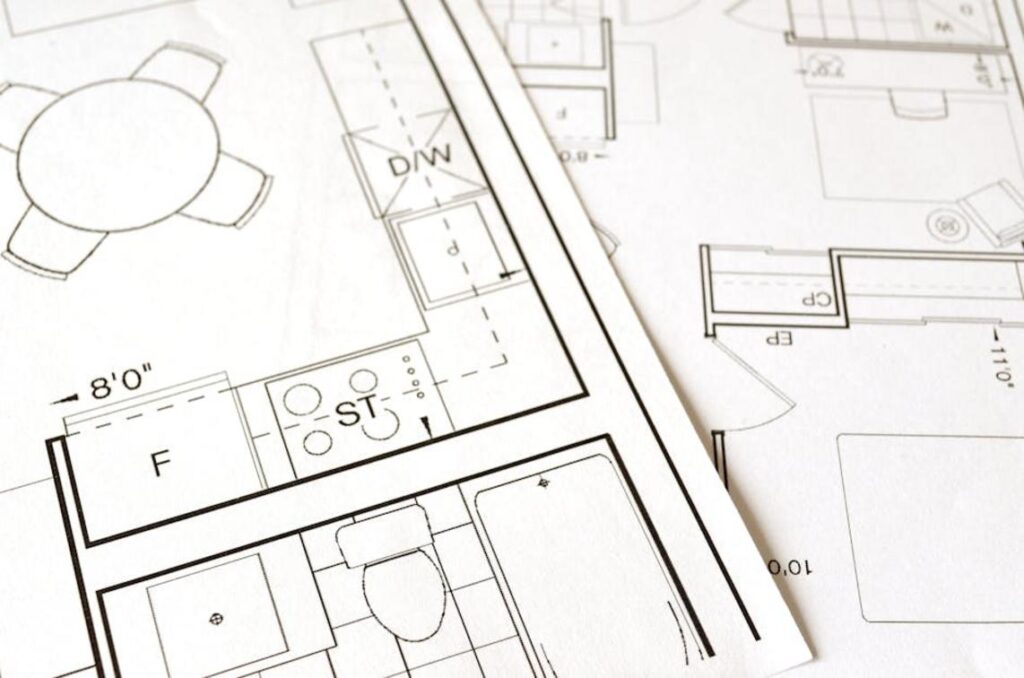
Designing a home from scratch can feel overwhelming, especially when you’re juggling paint swatches, contractor quotes, and endless Pinterest boards. This interior design planning guide breaks the process into clear, manageable phases. Start by measuring your space (yes, twice), noting ceiling heights common in lofts or bungalows. Define your style using terms like “mid-century modern” or “Japandi” (a blend of Japanese minimalism and Scandinavian warmth). Some argue spontaneity sparks better rooms, but structured planning prevents costly layout mistakes. Create a floor plan, set a budget, and source materials locally for climate-appropriate durability. By the end, you’ll move forward with confidence.
Step 1: Define Your Vision and Functional Needs
Before you pick paint swatches or scroll for sofas, start with why this space exists. Ask yourself: Who uses this room daily? What activities actually happen here? How do you want to feel when you walk in—calm, energized, focused, cozy? (Yes, “hotel lobby chic” is a feeling.) Defining intention first prevents expensive impulse buys later.
Some argue you should jump straight into colors and trends because inspiration fuels momentum. Fair—but without clarity, that momentum can turn into mismatched furniture and regret. Vision anchors creativity.
Create a Mood Board That Works
A mood board is a visual collection of inspiration—images, textures, palettes, lighting ideas—gathered digitally (Pinterest) or physically. The goal isn’t perfection; it’s pattern recognition. Notice repeated colors or materials. That’s your emerging style.
Identify Your Core Style
Look for themes like:
- Modern: clean lines, neutral tones, minimal clutter
- Bohemian: layered textiles, global patterns
- Traditional: symmetry, classic details
- Minimalist: function-first, restrained palette
Function Over Form (First)
List non-negotiables before aesthetics:
- Required storage
- Seating capacity
- Work or study zones
- Lighting needs
Think of this step as your personal interior design planning guide—clarity now saves time, money, and second-guessing later.
Step 2: Master Your Budget and Timeline
Create a Realistic Budget
“Why is this already over budget?” a client once asked me—before a single wall was painted. The culprit? No contingency fund. A contingency fund is a financial cushion (typically 10–15%) set aside for surprises like damaged drywall or backordered tile. According to HomeAdvisor, unexpected costs are one of the top reasons renovations exceed budgets (HomeAdvisor, 2023). Break expenses into categories: furniture, paint, labor, decor. Seeing it line by line makes the numbers less scary (and more honest).
If you want a deeper breakdown, review budgeting for a home makeover costs priorities and savings before spending a dollar.
Where to Splurge vs. Save
“Spend where you sit or sleep,” a designer friend told me. High-use items like sofas and mattresses deserve investment. Trendy side tables? Save there. Textiles and decor rotate easily (think seasonal throw pillows—low commitment, high impact).
Develop a Project Timeline
A project timeline maps phases from planning to installation. Without one, deliveries overlap and contractors clash (it happens more than HGTV admits). Use an interior design planning guide to schedule ordering, painting, and assembly logically.
The Cost of Labor
“Can’t we DIY it?” Sure—until wiring is involved. Electricians and painters add cost, but they also add safety and polish. Pro tip: Get at least three quotes before committing.
Step 3: Plan Your Layout for Optimal Flow and Space
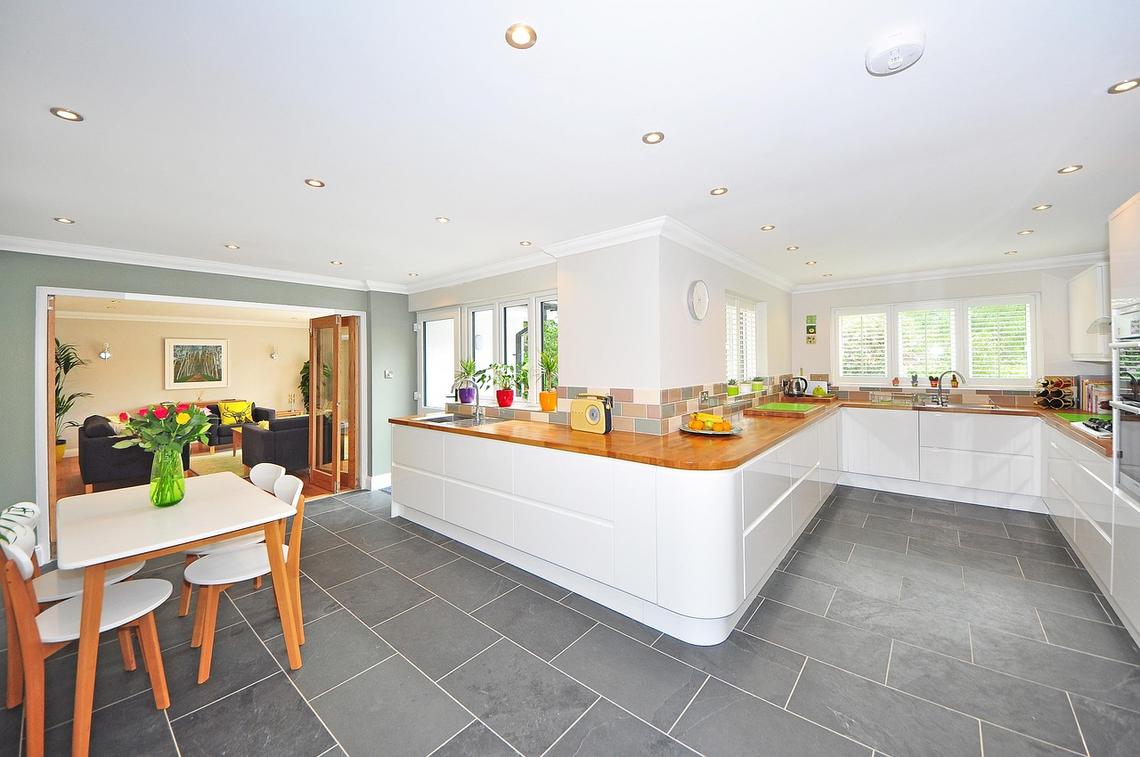
Let’s be honest—few things are more frustrating than buying beautiful furniture only to realize it DOESN’T FIT. Or worse, discovering you can’t open a drawer without bumping into the bed. Poor layout planning is one of the most common design mistakes, and it’s completely avoidable.
Measure Everything Twice
Start with accurate measurements of your room’s length, width, and vertical height. Yes, height matters (especially if you’re dreaming of tall bookcases or dramatic curtains). Measure windows, doorways, radiators, and any awkward architectural quirks. Skipping this step leads to cramped layouts and blocked pathways—and nobody wants to shimmy sideways just to reach the couch.
Create a Floor Plan
You don’t need fancy software. A simple sketch on graph paper works perfectly. Cut paper pieces to scale for each furniture item and move them around. This hands-on method makes spatial issues obvious before you start heavy lifting. Many people skip this because it feels tedious—but that’s usually when regret sets in.
• Sketch the room to scale
• Mark doors and windows
• Test multiple arrangements
If you prefer structure, follow an interior design planning guide to keep the process organized.
Prioritize Traffic Flow
Clear pathways are NON-NEGOTIABLE. Aim for comfortable walking space between pieces. Overcrowding makes even large rooms feel suffocating (like a holiday dinner where chairs are jammed elbow-to-elbow).
Anchor the Room
Place your largest, most important piece first—the bed, sofa, or dining table. Everything else should support it, not compete with it. When in doubt, simplify. LESS really is more.
Step 4: Select Your Palette, Materials, and Lighting
Design terms can sound technical, but they’re simpler than they appear. Take the 60-30-10 Color Rule. It’s just a ratio for balance: 60% of the room is your dominant color (usually walls), 30% is secondary (like sofas or rugs), and 10% is your accent (pillows, art, decor). Think of it like a well-styled outfit—most is neutral, a little is bold (no one wears all sequins… usually).
Next, texture means how a surface feels or looks like it feels. Mixing wood, metal, velvet, linen, or wool keeps a room from feeling flat. Even an all-white space feels rich when textures vary.
Finally, layered lighting combines ambient (overall glow), task (focused light for reading), and accent (highlighting art). Many people assume one ceiling light is enough. It’s not. A layered approach—often recommended in any interior design planning guide—creates depth, function, and mood.
Executing Your Design Plan with Confidence
You now have a clear, practical interior design planning guide that removes guesswork and replaces it with clarity. Remember: a lack of planning is the fastest path to blown budgets and “why-did-I-buy-that” regrets. When you define your Vision (the feeling and function you want), set a realistic Budget, map your Layout, and refine your Palette, you build a roadmap you can trust.
Think of it like prepping a recipe before you cook—would you START without ingredients? Pro tip: price pieces early to avoid surprises. Begin Step 1 today and gather mood board inspiration.
Bring Your Vision to Life with Confidence
You started this journey looking for clarity, direction, and practical ideas to transform your space. Now you have the insights, strategies, and inspiration to make informed design decisions that truly reflect your style and needs.
A poorly planned space can feel cluttered, mismatched, or simply unfinished. Without a clear roadmap, it’s easy to waste time and money on decor that doesn’t work together. That’s why following a structured interior design planning guide is the key to creating a home that feels cohesive, functional, and beautifully intentional.
Now it’s time to take action. Start by mapping out your layout, defining your color palette, and prioritizing pieces that maximize both comfort and space. Refer back to your interior design planning guide as you make each decision so every element supports your overall vision.
If you’re ready to eliminate guesswork and design with confidence, explore more expert-backed styling insights and space optimization strategies today. Thousands of decor enthusiasts trust our proven guidance to simplify complex design choices and achieve stunning results.
Your dream space isn’t out of reach—you just need the right plan. Start implementing what you’ve learned and watch your home transform.
 FOUNDER & CEO
There is a specific skill involved in explaining something clearly — one that is completely separate from actually knowing the subject. Veronicay Simpsonita has both. They has spent years working with decor trends and shifts in a hands-on capacity, and an equal amount of time figuring out how to translate that experience into writing that people with different backgrounds can actually absorb and use.
Veronicay tends to approach complex subjects — Decor Trends and Shifts, Pal Modern Interior Techniques, Highlight Hub being good examples — by starting with what the reader already knows, then building outward from there rather than dropping them in the deep end. It sounds like a small thing. In practice it makes a significant difference in whether someone finishes the article or abandons it halfway through. They is also good at knowing when to stop — a surprisingly underrated skill. Some writers bury useful information under so many caveats and qualifications that the point disappears. Veronicay knows where the point is and gets there without too many detours.
The practical effect of all this is that people who read Veronicay's work tend to come away actually capable of doing something with it. Not just vaguely informed — actually capable. For a writer working in decor trends and shifts, that is probably the best possible outcome, and it's the standard Veronicay holds they's own work to.
FOUNDER & CEO
There is a specific skill involved in explaining something clearly — one that is completely separate from actually knowing the subject. Veronicay Simpsonita has both. They has spent years working with decor trends and shifts in a hands-on capacity, and an equal amount of time figuring out how to translate that experience into writing that people with different backgrounds can actually absorb and use.
Veronicay tends to approach complex subjects — Decor Trends and Shifts, Pal Modern Interior Techniques, Highlight Hub being good examples — by starting with what the reader already knows, then building outward from there rather than dropping them in the deep end. It sounds like a small thing. In practice it makes a significant difference in whether someone finishes the article or abandons it halfway through. They is also good at knowing when to stop — a surprisingly underrated skill. Some writers bury useful information under so many caveats and qualifications that the point disappears. Veronicay knows where the point is and gets there without too many detours.
The practical effect of all this is that people who read Veronicay's work tend to come away actually capable of doing something with it. Not just vaguely informed — actually capable. For a writer working in decor trends and shifts, that is probably the best possible outcome, and it's the standard Veronicay holds they's own work to.