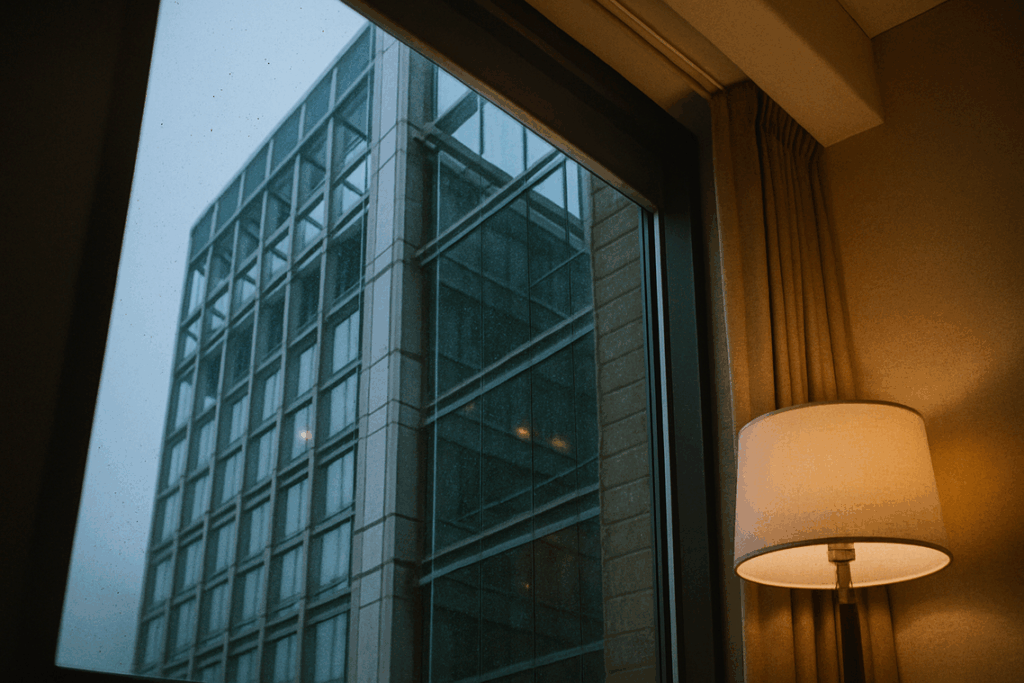

Creating a home that feels spacious, connected, and inviting starts with intentional open planning. This guide to open concept living design explores how to seamlessly blend your kitchen, dining, and living areas into one cohesive environment without sacrificing structure or purpose. Many traditional layouts feel boxed in and disconnected, making it difficult to foster natural flow. The key is balancing openness with clearly defined functional zones. Using proven interior design principles that emphasize light, proportion, and harmony, you’ll discover actionable strategies to transform your main living space into a unified sanctuary that feels expansive, organized, and effortlessly modern.
The Foundation: Principles of a Seamless Layout
Creating a seamless space starts with flow and sightlines—the uninterrupted visual paths from one end of a room to another. When walls and bulky dividers disappear, rooms feel larger. In fact, a 2019 report from the National Association of Home Builders found that over 70% of buyers prefer open or partially open layouts for this very reason. Clear sightlines reduce visual clutter and enhance perceived square footage (a design illusion that works surprisingly well).
Understanding the Psychology of Open Space
An open concept living design isn’t just aesthetic—it’s behavioral. Research published in the Journal of Environmental Psychology shows that shared, visible spaces increase social interaction and communication within households. That means easier dinner conversations and better supervision of kids during homework time. The layout itself encourages connection.
Structural considerations matter, too. Before removing walls, confirm whether they’re load-bearing (supporting structural weight) or non-load-bearing. A structural engineer’s assessment is essential—safety first, always.
To maintain seamless movement:
- Create clear walkways at least 36 inches wide
- Position furniture to guide, not block, traffic
- Avoid abrupt flooring changes
Finally, anchor everything with a unified aesthetic—Scandinavian minimalism, industrial edge, or modern organic. Cohesion prevents openness from feeling chaotic (because spacious shouldn’t mean scattered).
I once helped a friend who complained her home felt “choppy” despite knocking down walls. The kitchen flowed into the dining and living areas, yet something still felt off. The culprit? Competing finishes and colors fighting for attention (like three playlists playing at once).
Consistent Flooring Is the Foundation
The single most effective unifier is one continuous flooring material. Whether it’s wide-plank hardwood, polished concrete, or large-format tile, seamless flooring erases visual boundaries. Psychologists call this visual continuity—when the eye moves uninterrupted, a space feels larger and calmer. According to the National Association of Home Builders, open layouts remain among the most requested features in renovations (NAHB, 2023). In practice, carrying the same floor across all zones instantly creates cohesion. Pro tip: choose planks or tiles with minimal contrast in grain or veining to avoid visual noise.
A Harmonious Color Palette Anchors Everything
Designers often rely on the 60-30-10 rule: 60% dominant neutral (walls), 30% secondary color (cabinetry and furniture), 10% accent (decor and textiles). This proportional balance prevents any one zone from overpowering another. In one project, we used warm white walls, soft greige cabinetry, and navy accents repeated in throw pillows and bar stools. The repetition tied the rooms together effortlessly.
Strategic & Layered Lighting Defines Without Dividing
Lighting shapes how we experience open concept living design. Recessed fixtures provide ambient light, pendants anchor islands and dining tables, and task lighting—under-cabinet strips or reading lamps—adds function. Think of lighting like a movie soundtrack: subtle, layered, and emotionally guiding (yes, even your kitchen deserves cinematic treatment).
Defining Spaces Without Walls: Smart Zone Demarcation
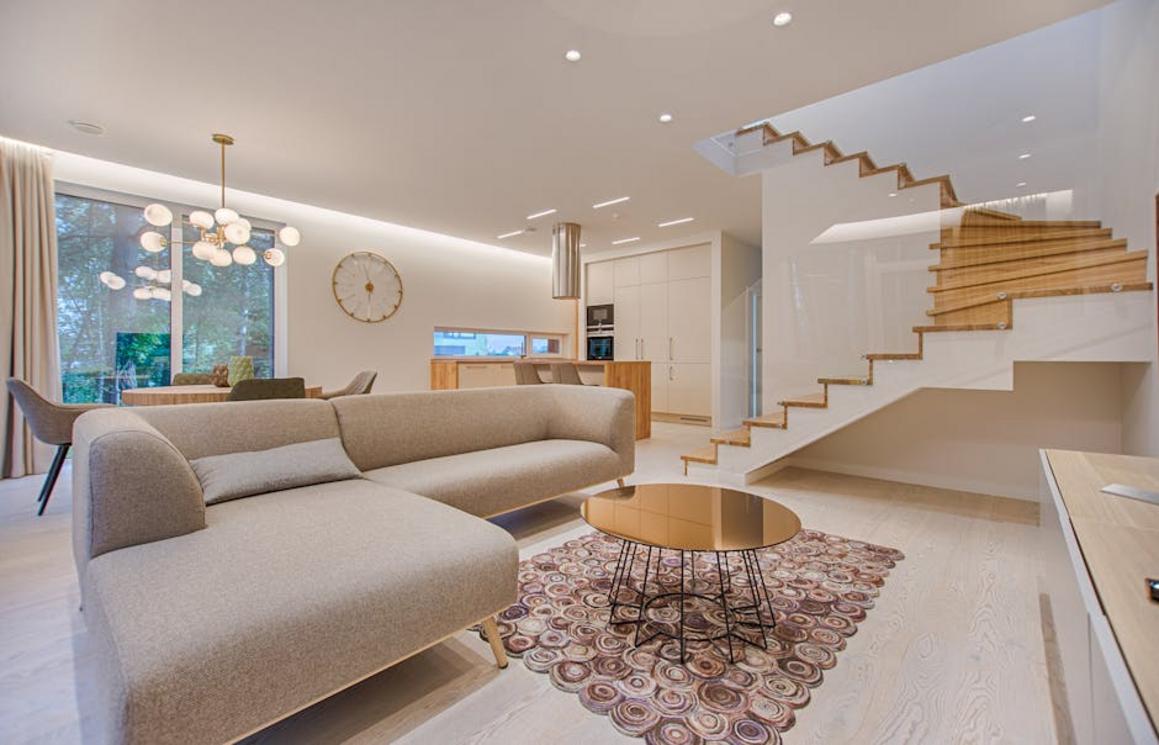
In homes built around open concept living design, defining spaces without erecting walls can feel tricky. Some argue that leaving everything visually connected makes a room feel larger—and they’re not wrong. However, without subtle demarcation, the space can quickly look like a furniture showroom (and not in a good way). The solution lies in strategic features that guide the eye while preserving flow.
The Power of Area Rugs
An area rug—a large textile floor covering designed to anchor furniture—creates an instant “zone” by framing key pieces. For example, a 9’x12’ rug beneath a sofa and two accent chairs signals a dedicated living area, while a flatweave rug under a dining table distinguishes the eating space. Different textures, like plush wool versus natural jute, reinforce separation while adding tactile interest.
Strategic Furniture Grouping
Next, consider furniture placement. Arranging seating in a U-shape or L-shape forms a conversational boundary. A slim console table (typically 10–15 inches deep) placed behind a sofa acts as a functional divider, offering storage and a surface for lighting—without blocking sightlines.
The Kitchen Island as a Hub
Meanwhile, a kitchen island—often 36–42 inches high—naturally separates prep and relaxation zones. It doubles as seating, storage, and a social anchor (think friends gathered like a casual sitcom scene).
Using Vertical Space
Finally, architectural cues such as dropped ceilings, exposed wooden beams, or contrasting paint colors visually signal transitions. For more structured layouts, explore how to use clean lines and geometry in contemporary spaces to reinforce balance and clarity.
Mirrors and Reflective Surfaces: Place large mirrors opposite south-facing windows to amplify winter light (especially in cloudy Pacific Northwest homes) and visually double square footage. Some designers argue mirrors feel staged, but when positioned across from a view—think brownstone streets or coastal skylines—they extend depth naturally.
Leggy Furniture: Choose sofas and consoles with tapered oak legs so flooring remains visible, a classic trick in open concept living design layouts. Skeptics say exposed bases collect dust; true, but airflow and sightlines matter more.
Minimalist Window Treatments: Install sheer linen panels or streamlined roller shades to preserve daylight and privacy.
Your Blueprint for a Boundless, Modern Home
You set out to move beyond cramped, disconnected rooms—and now you have the tools to do exactly that. By embracing open concept living design, you can create a space that feels expansive, modern, and fully aligned with how you actually live.
Remember, the secret lies in balance: unity through consistent flooring, color palettes, and lighting; definition through rugs, furniture placement, and smart focal points like kitchen islands. That’s how you achieve flow without sacrificing function.
Now, take action. Visualize your daily routines, map the movement, and start applying these principles room by room. Your airy, inviting, and beautifully connected home begins with that first intentional step.
 FOUNDER & CEO
There is a specific skill involved in explaining something clearly — one that is completely separate from actually knowing the subject. Veronicay Simpsonita has both. They has spent years working with decor trends and shifts in a hands-on capacity, and an equal amount of time figuring out how to translate that experience into writing that people with different backgrounds can actually absorb and use.
Veronicay tends to approach complex subjects — Decor Trends and Shifts, Pal Modern Interior Techniques, Highlight Hub being good examples — by starting with what the reader already knows, then building outward from there rather than dropping them in the deep end. It sounds like a small thing. In practice it makes a significant difference in whether someone finishes the article or abandons it halfway through. They is also good at knowing when to stop — a surprisingly underrated skill. Some writers bury useful information under so many caveats and qualifications that the point disappears. Veronicay knows where the point is and gets there without too many detours.
The practical effect of all this is that people who read Veronicay's work tend to come away actually capable of doing something with it. Not just vaguely informed — actually capable. For a writer working in decor trends and shifts, that is probably the best possible outcome, and it's the standard Veronicay holds they's own work to.
FOUNDER & CEO
There is a specific skill involved in explaining something clearly — one that is completely separate from actually knowing the subject. Veronicay Simpsonita has both. They has spent years working with decor trends and shifts in a hands-on capacity, and an equal amount of time figuring out how to translate that experience into writing that people with different backgrounds can actually absorb and use.
Veronicay tends to approach complex subjects — Decor Trends and Shifts, Pal Modern Interior Techniques, Highlight Hub being good examples — by starting with what the reader already knows, then building outward from there rather than dropping them in the deep end. It sounds like a small thing. In practice it makes a significant difference in whether someone finishes the article or abandons it halfway through. They is also good at knowing when to stop — a surprisingly underrated skill. Some writers bury useful information under so many caveats and qualifications that the point disappears. Veronicay knows where the point is and gets there without too many detours.
The practical effect of all this is that people who read Veronicay's work tend to come away actually capable of doing something with it. Not just vaguely informed — actually capable. For a writer working in decor trends and shifts, that is probably the best possible outcome, and it's the standard Veronicay holds they's own work to.