

Ready to refresh your space but overwhelmed by endless decor options? This guide breaks down the home styling essentials that create a polished, cohesive look in any room. Instead of chasing trends or overspending on unnecessary pieces, you’ll get a curated checklist of high-impact items that instantly elevate your home with minimal effort. Drawing on years of professional interior styling experience, this article focuses on timeless, versatile products that work in any space and budget. By the end, you’ll have a clear, actionable shopping list to confidently begin transforming your home today.
The Foundation: Textiles and Soft Furnishings
Area Rugs: The Anchor of the Room
Step into a room without a rug and notice the echo—the visual kind. It can feel untethered, like furniture is floating. An area rug grounds everything, softening footsteps and absorbing sound while adding warmth underfoot. A plush wool rug feels dense and cozy in a bedroom, while a flatweave or low-pile option stands up better in high-traffic areas like hallways (where muddy shoes have zero respect for your design plans).
For sizing, aim to place at least the front legs of your furniture on the rug. This creates cohesion and prevents that awkward “postage stamp” effect. In open-concept layouts, rugs subtly define zones—living, dining, reading—without building walls.
Curtains and Window Treatments: Framing the View
Hang curtains high and wide—closer to the ceiling and beyond the window frame—to create the illusion of taller ceilings and broader windows. Sheer linen diffuses light into a soft glow, while velvet drapes feel dramatic and hush a room with their weight. The gentle swish of fabric when drawn adds a tactile, almost theatrical touch.
Throw Pillows & Blankets: The Easiest Style Update
Layer texture like:
- Smooth cotton with nubby boucle
- Subtle stripes beside bold florals
- A chunky knit throw for instant coziness
Use inserts slightly larger than the cover for that full, sink-in look. Mastering these home styling essentials makes it easier to understand how to mix and match furniture without clashing—because balance isn’t just seen, it’s felt.
Creating Ambiance: Layered Lighting Essentials
Lighting can make or break a room (yes, even that perfectly styled coffee table). The secret isn’t buying one dramatic fixture—it’s mastering layered lighting.
The Concept of Layered Lighting
Layered lighting combines three essential types:
- Ambient lighting: Your main overhead source that fills the room with general illumination.
- Task lighting: Focused light for activities like reading, working, or knitting your latest cozy blanket.
- Accent lighting: Decorative spotlights that highlight art, plants, or architectural details.
When these layers work together, you get a space that feels balanced, warm, and functional. The benefit? Fewer harsh shadows, less eye strain, and a room that adapts to everything from movie nights to hosting friends. Designers often emphasize layering because it increases perceived comfort and depth in interiors (American Lighting Association).
Essential Fixtures You Shouldn’t Skip
A statement floor lamp instantly brightens a dark corner and adds height. A stylish table lamp anchors a console or side table while creating intimate pools of light. And a dimmer switch for overhead fixtures is a game-changer—letting you shift from bright and productive to soft and relaxed in seconds.
The real payoff is control: you decide the mood instead of your ceiling light deciding for you.
Choosing the Right Bulb
Opt for warm white bulbs (2700K–3000K) in living areas to avoid a clinical feel (U.S. Department of Energy). This small tweak transforms rooms into inviting retreats—proof that smart lighting belongs at the core of home styling essentials.
Adding Personality: Wall Decor and Mirrors
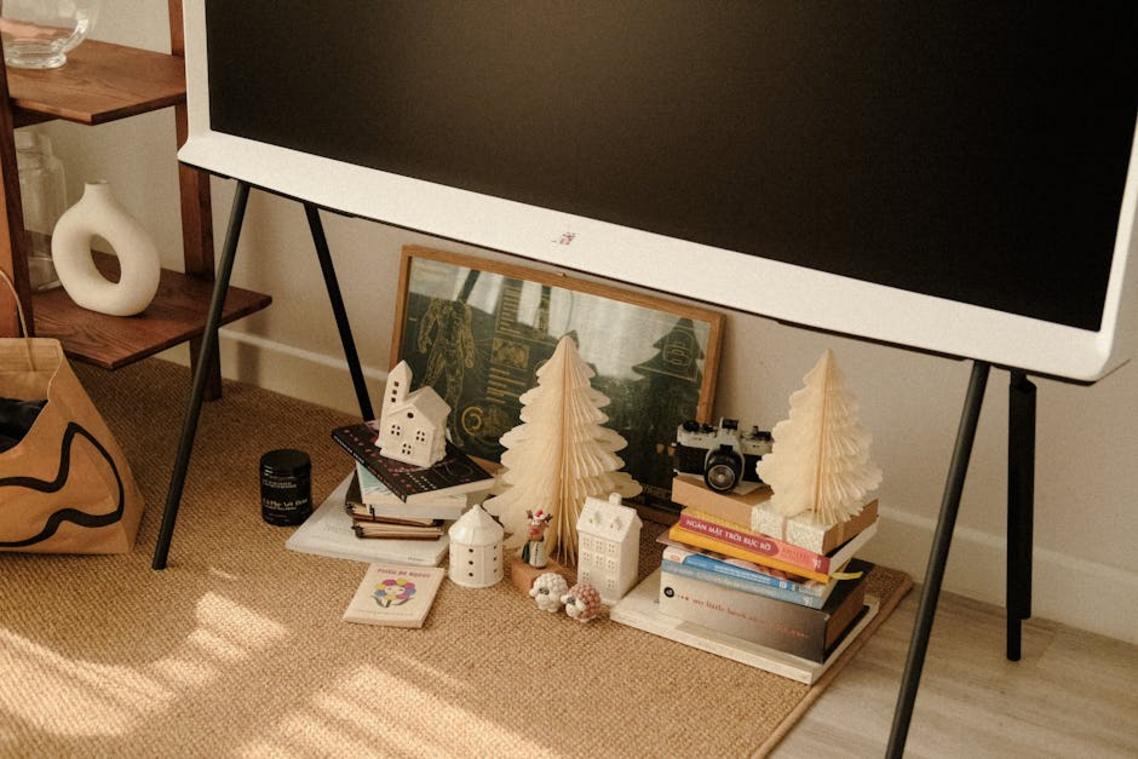
The Power of Wall Art
Art isn’t just decoration; it’s visual autobiography. When you hang a large abstract print, you’re signaling mood and movement. When you build a gallery wall of travel photos and vintage finds, you’re telling a layered story (yes, even that slightly crooked flea-market frame counts). A common rule says every piece must perfectly match. I disagree. Too much coordination can feel staged, not lived-in. Instead, try this:
- Choose a consistent frame color for cohesion.
- Vary the art styles for depth.
- Anchor bold pieces with neutral surroundings.
This balance keeps things curated but not cold—one of the simplest home styling essentials designers rely on.
Strategic Use of Mirrors
Most people think mirrors are purely practical. That’s underselling them. Mirrors amplify natural light and visually double a room’s depth. Placing one opposite a window reflects daylight deeper inside. In a narrow entryway, a mirror stretches perceived width (a small-space illusion worthy of a movie set trick).
Sizing and Placement Rules
The “eye-level rule” works for a reason: hang art so the center sits about 57 inches from the floor. But don’t worship the rule. Above a sofa, scale matters more—aim for art that spans roughly two-thirds the furniture width. Pro tip: If it feels too small, it probably is.
The Finishing Touches: Greenery and Decorative Objects
I’ll say it plainly: no room feels complete without something alive in it. Plants add softness, color, and texture in a way few accessories can. If you claim you “can’t keep plants alive,” I gently disagree—snake plants and ZZ plants are nearly indestructible (they thrive on neglect). And yes, high-quality faux greenery works too, especially in low-light corners.
Curate, Don’t Clutter
When it comes to decorative objects, I’m firmly in the quality-over-quantity camp. A sculptural vase—even empty—can anchor a console. Decorative trays corral remotes and candles on coffee tables. Stylish bookends turn shelves into intentional displays. Think of these as home styling essentials that quietly elevate a room.
I also swear by the Rule of Three. Grouping items in odd numbers—especially threes—creates visual movement and balance. Three varied-height objects on a tray? Instantly dynamic. (Two just looks like a pair that lost its friend.)
Pro tip: vary height, texture, and shape within your trio for a layered, designer feel.
Start Styling Your Home With Confidence
You came here looking for clarity, and now you have a practical roadmap to the home styling essentials that truly matter. Instead of feeling overwhelmed by endless decor choices, you can focus on the foundational pieces—textiles, lighting, and meaningful accents—that create the biggest impact first.
That stress of not knowing where to start fades when you build around versatile, timeless items you can refresh over time. The process becomes simple, intentional, and rewarding.
Now take action: choose one category from this guide—perhaps lighting or textiles—and add one new piece this week. Small, smart updates transform your space faster than you think.
 FOUNDER & CEO
There is a specific skill involved in explaining something clearly — one that is completely separate from actually knowing the subject. Veronicay Simpsonita has both. They has spent years working with decor trends and shifts in a hands-on capacity, and an equal amount of time figuring out how to translate that experience into writing that people with different backgrounds can actually absorb and use.
Veronicay tends to approach complex subjects — Decor Trends and Shifts, Pal Modern Interior Techniques, Highlight Hub being good examples — by starting with what the reader already knows, then building outward from there rather than dropping them in the deep end. It sounds like a small thing. In practice it makes a significant difference in whether someone finishes the article or abandons it halfway through. They is also good at knowing when to stop — a surprisingly underrated skill. Some writers bury useful information under so many caveats and qualifications that the point disappears. Veronicay knows where the point is and gets there without too many detours.
The practical effect of all this is that people who read Veronicay's work tend to come away actually capable of doing something with it. Not just vaguely informed — actually capable. For a writer working in decor trends and shifts, that is probably the best possible outcome, and it's the standard Veronicay holds they's own work to.
FOUNDER & CEO
There is a specific skill involved in explaining something clearly — one that is completely separate from actually knowing the subject. Veronicay Simpsonita has both. They has spent years working with decor trends and shifts in a hands-on capacity, and an equal amount of time figuring out how to translate that experience into writing that people with different backgrounds can actually absorb and use.
Veronicay tends to approach complex subjects — Decor Trends and Shifts, Pal Modern Interior Techniques, Highlight Hub being good examples — by starting with what the reader already knows, then building outward from there rather than dropping them in the deep end. It sounds like a small thing. In practice it makes a significant difference in whether someone finishes the article or abandons it halfway through. They is also good at knowing when to stop — a surprisingly underrated skill. Some writers bury useful information under so many caveats and qualifications that the point disappears. Veronicay knows where the point is and gets there without too many detours.
The practical effect of all this is that people who read Veronicay's work tend to come away actually capable of doing something with it. Not just vaguely informed — actually capable. For a writer working in decor trends and shifts, that is probably the best possible outcome, and it's the standard Veronicay holds they's own work to.