
If you’re searching for ways to refresh your space with style and purpose, this guide to modern home decor essentials is designed to give you exactly that—clear, practical direction. Whether you’re redesigning a single room or updating your entire home, understanding the right elements to prioritize can make the difference between a space that feels trendy and one that feels timeless.
In this article, you’ll discover the foundational pieces, materials, color strategies, and layout techniques that define modern interiors today. We break down what truly matters—functionality, clean lines, intentional textures, and smart space optimization—so you can make confident design decisions.
Our insights are grounded in extensive research on current decor trends, interior styling principles, and space-planning best practices. By combining trend analysis with practical application, this guide ensures you’re not just following inspiration—but creating a cohesive, modern home that works beautifully for everyday living.
Build a Contemporary Foundation
Creating a timelessly modern home starts with clarity. Contemporary design means clean lines, intentional color palettes, and functional spaces. Some argue this approach feels cold. But warmth comes from layering texture and story. Begin with neutral walls, then add contrast through wood, linen, or matte metal. Define zones using rugs and lighting to anchor each area. For example, pair a low-profile sofa with a sculptural lamp for balance. Pro tip: edit ruthlessly; if it lacks purpose, remove it. This principle-driven method turns modern home decor essentials into a personalized blueprint. Start small, measure twice, and refine as you go confidently.
The Foundation: Clean Lines and Open Spaces
Contemporary interiors begin with a simple premise: less visual noise, more intentional design. The principle of simplicity centers on strong, clean lines—think bare windows, sleek sofas, and uninterrupted surfaces. In design terms, this means prioritizing form (the shape of an object) over ornamentation (decorative detail added purely for embellishment). While traditional styles celebrate carved wood and intricate trim, contemporary spaces let geometry do the talking.
However, simplicity isn’t about emptiness. It’s about flow. Negative space—the empty areas around furniture—acts like a pause in music (and no one wants a song with no breathing room). To create this effect, start by decluttering flat surfaces, then arrange seating to allow clear walkways of at least 30 inches (a spacing guideline recommended by the National Kitchen & Bath Association). As a result, each piece feels intentional rather than crowded.
When selecting furniture, choose smooth finishes, neutral palettes, and raised-leg designs. Sofas and consoles elevated off the floor expose more visible flooring, which visually expands the room. Pro tip: match leg finishes to other metal accents for cohesion.
Many competitors focus on aesthetics alone. Yet true mastery of modern home decor essentials lies in spatial psychology—how openness subtly reduces stress and increases perceived square footage (a principle widely cited in environmental design research).
Mastering the Neutral Palette (With a Twist)
A neutral palette is the backbone of timeless interiors. Think shades of white, soft greys, warm beiges, and deep blacks. These colors act as a calm, adaptable backdrop, allowing furniture and textures to shine without visual chaos. Neutral simply means colors that don’t compete for attention—yet they quietly shape the entire mood of a room.
Adding Depth Without Adding Clutter
Many people worry neutrals feel flat or boring. That usually happens when a single tone is used everywhere. The fix? Layering. Combine warm ivory walls with a taupe sofa, a charcoal throw, and natural wood accents. Varying tones within the same color family creates dimension and warmth (without shouting for attention). Texture helps too—linen, wool, matte ceramics—these are modern home decor essentials that elevate a neutral scheme instantly.
Strategic Use of Color
If you crave bold color, add it intentionally. A sapphire armchair, oversized artwork, or rust-toned cushions can energize the space while the neutral base stays dominant. This keeps the room balanced rather than chaotic.
A helpful guideline is the 60-30-10 rule: 60% dominant neutral, 30% secondary tone, 10% accent color. It’s simple, practical, and prevents overdoing it (because yes, that neon ottoman can take over fast).
Texture and Material: The Soul of Contemporary Design
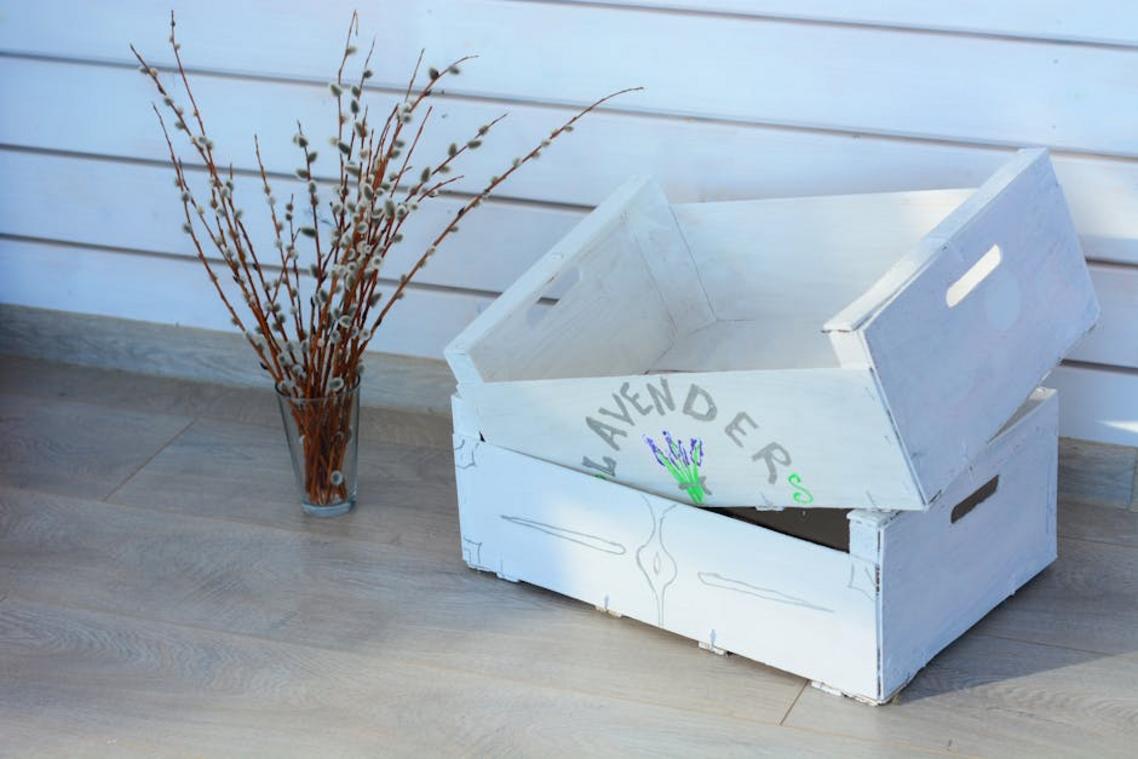
In my opinion, texture is what saves minimalist design from feeling like a showroom no one actually lives in. In neutral spaces—think whites, taupes, soft grays—texture (the surface quality of a material, how it looks and feels) adds warmth and dimension. Without it, even the most curated room can feel flat. Beautiful, yes. Inviting? Not always.
Some argue color alone creates depth. I disagree. Even the perfect palette—like the one discussed in how to choose the right color palette for a harmonious home—falls short without tactile contrast. Texture is what makes you want to reach out and touch the space (and that’s usually a good sign).
A Mix of Materials
Layering materials transforms a room from predictable to personal. For example:
- A smooth leather sofa with a chunky knit throw
- Polished concrete floors softened by a plush wool rug
- Sleek metal fixtures balanced with natural wood cabinetry
The tension between finishes creates visual rhythm. Pro tip: If everything feels “safe,” add one unexpected material.
Natural Elements
Wood, stone, jute, and linen ground a space. They introduce organic irregularities—subtle imperfections that make interiors feel lived-in rather than sterile (no one wants to live in a sci-fi set).
Quick Texture Pairings
- Smooth & Rough: Lacquered console with a stone vase
- Hard & Soft: Glass coffee table on a high-pile rug
- Matte & Glossy: Velvet chair beside a polished marble side table
- Industrial & Organic: Steel shelving styled with woven baskets
Ultimately, mastering texture is one of the true modern home decor essentials.
Lighting as a Sculptural Element
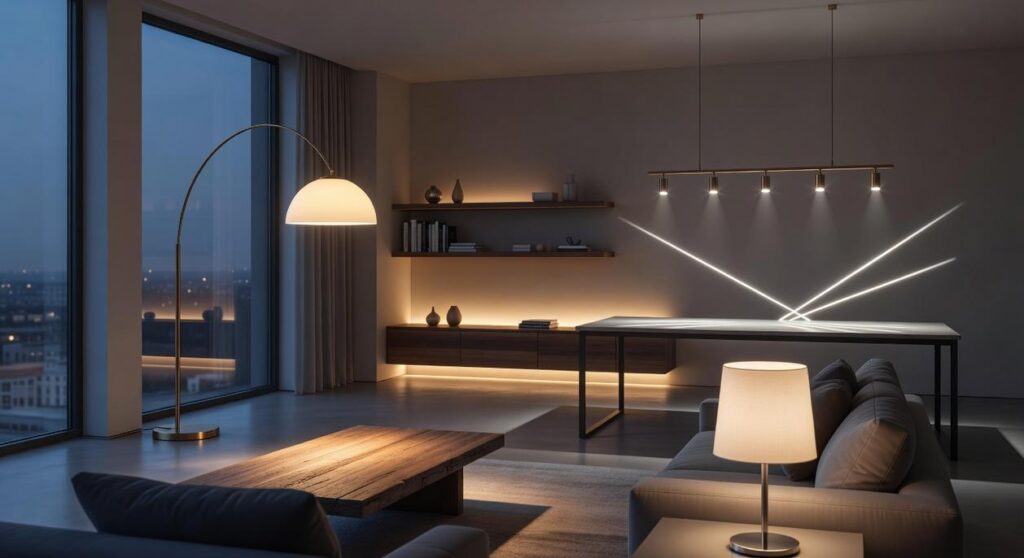
Lighting isn’t just practical—it’s architectural drama. Designers increasingly treat fixtures as functional art (think of them as jewelry for your ceiling). A sculptural pendant or arched floor lamp can command attention the way a painting does.
Start with a layered lighting strategy:
- Ambient lighting: Your base layer—recessed lights or flush mounts that evenly illuminate the room.
- Task lighting: Focused light for activities, like a reading lamp beside a chair.
- Accent lighting: Directional fixtures that highlight art, shelving, or textured walls.
Pro tip: Install dimmers to control mood and energy use—dimming LEDs can cut electricity consumption by up to 20% (U.S. Department of Energy).
To maximize natural light:
- Use sheer curtains instead of heavy drapes.
- Place mirrors opposite windows to reflect daylight.
- Keep window sills clear of clutter.
When choosing fixtures, think of them as part of your modern home decor essentials checklist—because the right light doesn’t just reveal a room; it shapes it.
The art of curation begins with restraint. In contemporary interiors, “less is more” isn’t minimalism for minimalism’s sake; it’s intentionality in action. Every object should earn its place—either by function or by story. That’s where many guides stop, but here’s the gap: treat decor like editing a gallery, not filling a shelf.
When choosing artwork, scale matters more than quantity. One oversized abstract or bold graphic print can anchor clean lines and echo your palette without visual noise. Why clutter a wall with four timid frames when one confident piece does the job?
Next, bring life in with architectural plants. A Fiddle Leaf Fig or Snake Plant introduces height, rhythm, and organic contrast in streamlined planters.
Finally, avoid the clutter creep: for every new accent, remove one. This rotation keeps your space aligned with modern home decor essentials and preserves breathing room. Think quality, clarity, and quiet confidence. Always intentionally.
Bringing Your Contemporary Vision to Life
You now have building blocks: clean lines, a refined palette, layered textures, and intentional lighting. So, where do you begin? First, focus on function. Remove anything that disrupts flow (yes, even that “maybe” chair). Decluttering instantly sharpens clean lines and makes modern home decor essentials stand out.
Some argue contemporary design feels cold. However, warmth comes from contrast—think linen against metal or walnut beside concrete. According to a 2022 Houzz survey, 78% of homeowners prioritize comfort alongside style. Start with room, adjust lighting, edit surfaces, and add a textured accent. Small changes create impact.
Elevate Your Space with Confidence
You set out to understand how to refine your space with modern home decor essentials, and now you have the clarity to do it with confidence. From smart space optimization to trend-forward styling techniques, you’re equipped to transform your home into something functional, beautiful, and uniquely yours.
Outdated layouts, cluttered rooms, and mismatched decor can make any space feel uninspired. The right essentials change that. They create balance, maximize every square foot, and bring a cohesive look that feels intentional—not overwhelming.
Now it’s time to take action. Start by selecting one room and applying the essentials you’ve learned today. Focus on layering textures, optimizing layout flow, and choosing statement pieces that elevate the entire space.
If you’re ready to eliminate guesswork and create a polished, modern home without costly design mistakes, explore our expert-backed styling guides and step-by-step decor insights. Join thousands of decor enthusiasts who trust our proven techniques to simplify styling and achieve stunning results. Start transforming your space today.
 Director of Community & Partnerships
Ask Eloria Esthova how they got into decor trends and shifts and you'll probably get a longer answer than you expected. The short version: Eloria started doing it, got genuinely hooked, and at some point realized they had accumulated enough hard-won knowledge that it would be a waste not to share it. So they started writing.
What makes Eloria worth reading is that they skips the obvious stuff. Nobody needs another surface-level take on Decor Trends and Shifts, Space Optimization Hacks, In-Depth Guides. What readers actually want is the nuance — the part that only becomes clear after you've made a few mistakes and figured out why. That's the territory Eloria operates in. The writing is direct, occasionally blunt, and always built around what's actually true rather than what sounds good in an article. They has little patience for filler, which means they's pieces tend to be denser with real information than the average post on the same subject.
Eloria doesn't write to impress anyone. They writes because they has things to say that they genuinely thinks people should hear. That motivation — basic as it sounds — produces something noticeably different from content written for clicks or word count. Readers pick up on it. The comments on Eloria's work tend to reflect that.
Director of Community & Partnerships
Ask Eloria Esthova how they got into decor trends and shifts and you'll probably get a longer answer than you expected. The short version: Eloria started doing it, got genuinely hooked, and at some point realized they had accumulated enough hard-won knowledge that it would be a waste not to share it. So they started writing.
What makes Eloria worth reading is that they skips the obvious stuff. Nobody needs another surface-level take on Decor Trends and Shifts, Space Optimization Hacks, In-Depth Guides. What readers actually want is the nuance — the part that only becomes clear after you've made a few mistakes and figured out why. That's the territory Eloria operates in. The writing is direct, occasionally blunt, and always built around what's actually true rather than what sounds good in an article. They has little patience for filler, which means they's pieces tend to be denser with real information than the average post on the same subject.
Eloria doesn't write to impress anyone. They writes because they has things to say that they genuinely thinks people should hear. That motivation — basic as it sounds — produces something noticeably different from content written for clicks or word count. Readers pick up on it. The comments on Eloria's work tend to reflect that.