
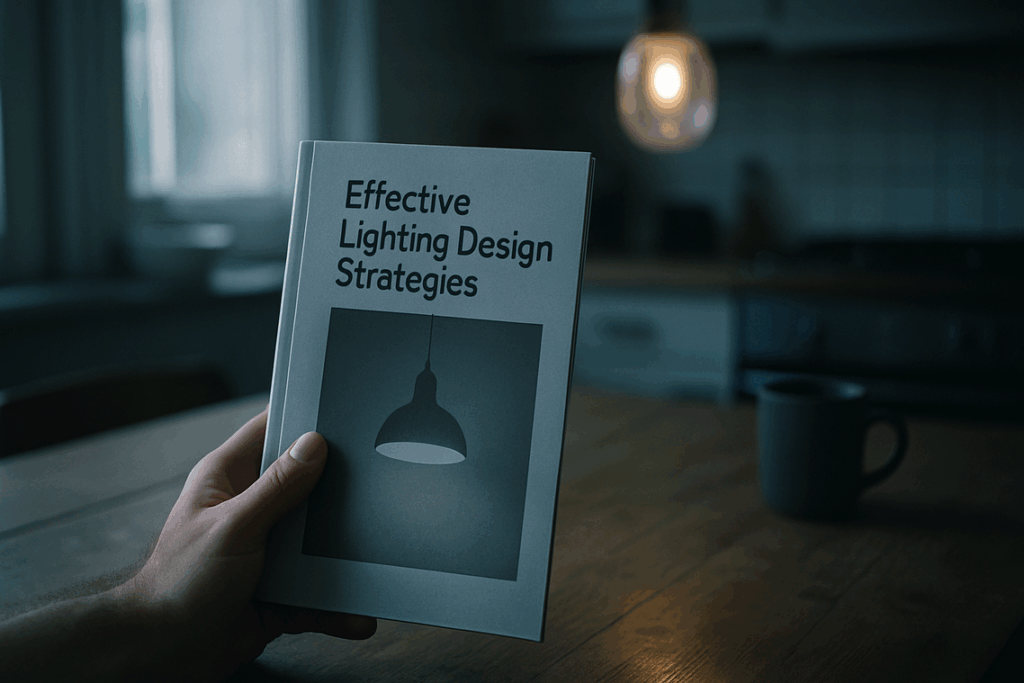
Great design isn’t just about choosing the right sofa or paint color—it’s about creating a space that feels intentional, functional, and uniquely yours. If you’re searching for practical ways to elevate your home, this guide is built to give you clear, actionable insights into modern decor trends, smart space optimization, and the styling techniques designers rely on today.
From selecting cohesive color palettes to mastering layered lighting design, we break down the essentials that transform ordinary rooms into polished, welcoming environments. Whether you’re refreshing a small apartment or refining a larger living area, you’ll find strategies that balance aesthetics with functionality.
Our guidance is grounded in extensive research, current interior trend analysis, and proven styling principles used in contemporary homes. This article is designed to cut through inspiration overload and give you structured, practical advice you can confidently apply—so your space not only looks beautiful, but works beautifully too.
Beyond the Single Bulb: How Layered Light Creates Ambiance
Picture a room lit by one harsh ceiling bulb—flat, clinical, like an interrogation scene. Now imagine warm pools of light from a lamp, a glowing wall sconce, and soft under-cabinet strips. Same room. Completely different mood.
Relying on one fixture makes spaces feel sterile and one-dimensional. Instead, use layered lighting design to shape atmosphere and function.
Here’s what to do:
- Ambient lighting for overall illumination.
- Task lighting for focused activities like reading or cooking.
- Accent lighting to highlight art or architecture.
Pro tip: Put each layer on dimmers. Control equals comfort.
When One Light Isn’t Enough
I once lived in an apartment with a single, glaring ceiling bulb in the center of the living room. Cooking felt like working under interrogation lights, and reading on the couch meant shifting constantly to dodge shadows. That experience taught me how flawed a one-size-fits-all approach can be.
A central fixture often fails in three ways:
- It creates shadows exactly where you need clarity—over countertops, desks, and mirrors.
- It flattens the mood, washing everything in harsh, clinical brightness.
- It shrinks the space, leaving corners dim and visually cramped.
Different activities require different types of light. Task lighting (focused light for specific jobs) supports chopping vegetables or studying. Ambient lighting (overall illumination) sets the tone. Accent lighting highlights features and adds depth. Embracing layered lighting design means matching light to function, creating rooms that flex with your life (and feel far more inviting).
The Three Essential Layers of a Professional Lighting Scheme
The Foundation: Ambient Lighting
Ambient lighting is the general, overall illumination that lets you move comfortably and safely through a space. Think of it as the base layer that sets the tone before anything decorative happens. Recessed lights, chandeliers, and flush-mount fixtures typically handle this job. Many designers obsess over statement fixtures and forget the basics—but here’s the contrarian truth: if your ambient layer is weak, NOTHING ELSE WORKS. A dramatic pendant can’t compensate for dark corners. Some argue natural light alone is enough. It’s not. Even sun-filled rooms need consistent illumination after sunset (unless you enjoy squinting through dinner). Well-planned ambient lighting supports proper layered lighting design and ensures every other element performs as intended.
The Workhorse: Task Lighting
Task lighting is focused light directed at specific activities like reading, cooking, grooming, or working. It reduces eye strain and improves safety—especially in kitchens and bathrooms where precision matters. Common examples include under-cabinet lighting, desk lamps, vanity lights, and bedside reading sconces.
• Under-cabinet strips for chopping safely
• Adjustable desk lamps for focused work
• Bedside sconces that prevent glare
Some people think brighter ambient light eliminates the need for task fixtures. That’s inefficient and harsh. Concentrated light where you need it is smarter (and kinder to your eyes). Pro tip: Aim for directional fixtures with adjustable arms to fine-tune shadows.
The Finishing Touch: Accent Lighting
Accent lighting is the jewelry of the room. It highlights architectural details, artwork, or plants, adding depth and visual intrigue. Track lighting aimed at a painting, uplights behind a plant, and picture lights are classic tools.
Critics say accent lighting is optional. I disagree. Without it, rooms feel flat—like a movie set without a spotlight. Accent lighting creates contrast, drama, and hierarchy. If you’re already using texture thoughtfully, consider how lighting enhances it—especially when using texture and contrast to make design elements stand out.
Done right, accent lighting transforms ordinary into intentional.
A Practical Guide: Designing Your Layered Lighting Plan Step-by-Step

Step 1: Analyze the Room’s Function
First, map your space like a director blocking a scene. Where do you read? Where do you cook? Where does everyone gather when the party inevitably ends up in the kitchen? Identify these “activity zones” (specific areas dedicated to tasks or socializing). For example, a sofa corner might double as a reading nook, while an island becomes command central during dinner prep. Some argue lighting should be purely aesthetic—but function comes first. Even the most Instagram-worthy room fails if you can’t see your chopping board.
Step 2: Build from the Ground Up
Next, establish your ambient lighting—the general, overall illumination that lets you move safely and comfortably (think ceiling fixtures or recessed lights). This is your base layer. Then, add task lighting, which provides focused light for activities like reading or cooking. Under-cabinet lights in kitchens are a classic example, recommended by the American Lighting Association for improving visibility and reducing eye strain. While critics say overhead lighting alone is enough, relying on it is like watching a movie with the brightness cranked to max—flat and harsh.
Step 3: Add Drama and Depth
Now for accent lighting, which highlights focal points like artwork or textured walls. This is where layered lighting design earns its applause. Picture museum spotlights or even the Bat-Signal—focused, intentional, dramatic. Without this layer, rooms can feel one-note (and nobody wants a beige encore).
Step 4: Unify with Controls
Finally, install dimmers on every layer. Dimmers adjust brightness levels, helping spaces transition from work mode to dinner-party glow. The U.S. Department of Energy notes dimmers can also extend bulb life and save energy. Pro tip: Place controls near entrances for effortless mood shifts.
Common Lighting Mistakes and How to Avoid Them
Mistake 1: Creating Glare
Placing recessed lights directly over sofas or dining chairs causes harsh shadows and eye strain (no one wants to feel interrogated in their own living room). The Illuminating Engineering Society notes that excessive brightness contrast increases visual discomfort (IES Lighting Handbook).
Recommendation: Aim lights toward walls or walkways instead. This softens the effect and supports layered lighting design for balanced illumination.
Mistake 2: Forgetting Scale
A tiny pendant in a grand room looks lost. An oversized fixture overwhelms small spaces.
Recommendation:
- Measure room width in feet
- Convert to inches for ideal fixture diameter
Think PROPORTION first.
Mistake 3: Ignoring Color Temperature
Mixing 2700K and 5000K bulbs feels chaotic.
Recommendation: Stick to 2700K–3000K for a cohesive, cozy glow.
Last year, I swapped one harsh ceiling bulb for a mix of lamps—and the room finally exhaled. If you’re chasing a beautiful space, remember: one bright fixture creates flat, uninspired lighting. Instead, layered lighting design works because it blends:
- Ambient glow
- Focused task light
- Accent highlights
As a result, you gain flexibility, function, and beauty. So, start with one room today and map its three layers. Trust me, it changes everything truly.
Bring Your Space Together with Confidence
You started this guide looking for clarity—how to style your home beautifully without feeling overwhelmed, cramped, or unsure about what works. Now you understand how smart layouts, intentional decor choices, and layered lighting design can completely transform the look and feel of your space.
The frustration of mismatched pieces, poor lighting, or wasted square footage doesn’t have to continue. When every element has purpose, your home feels cohesive, functional, and uniquely yours.
Now it’s time to act. Revisit one room and apply what you’ve learned—optimize the layout, refine your focal points, and upgrade your lighting strategy. If you want expert-backed ideas, trend insights, and step-by-step decor guidance trusted by thousands of readers, explore our in-depth styling resources and start your transformation today.
Your space has potential. Take the next step and turn it into a home that truly works for you.
 Head of Content Strategy
There is a specific skill involved in explaining something clearly — one that is completely separate from actually knowing the subject. Fredrickien Hunteron has both. They has spent years working with decor trends and shifts in a hands-on capacity, and an equal amount of time figuring out how to translate that experience into writing that people with different backgrounds can actually absorb and use.
Fredrickien tends to approach complex subjects — Decor Trends and Shifts, Pal Modern Interior Techniques, Space Optimization Hacks being good examples — by starting with what the reader already knows, then building outward from there rather than dropping them in the deep end. It sounds like a small thing. In practice it makes a significant difference in whether someone finishes the article or abandons it halfway through. They is also good at knowing when to stop — a surprisingly underrated skill. Some writers bury useful information under so many caveats and qualifications that the point disappears. Fredrickien knows where the point is and gets there without too many detours.
The practical effect of all this is that people who read Fredrickien's work tend to come away actually capable of doing something with it. Not just vaguely informed — actually capable. For a writer working in decor trends and shifts, that is probably the best possible outcome, and it's the standard Fredrickien holds they's own work to.
Head of Content Strategy
There is a specific skill involved in explaining something clearly — one that is completely separate from actually knowing the subject. Fredrickien Hunteron has both. They has spent years working with decor trends and shifts in a hands-on capacity, and an equal amount of time figuring out how to translate that experience into writing that people with different backgrounds can actually absorb and use.
Fredrickien tends to approach complex subjects — Decor Trends and Shifts, Pal Modern Interior Techniques, Space Optimization Hacks being good examples — by starting with what the reader already knows, then building outward from there rather than dropping them in the deep end. It sounds like a small thing. In practice it makes a significant difference in whether someone finishes the article or abandons it halfway through. They is also good at knowing when to stop — a surprisingly underrated skill. Some writers bury useful information under so many caveats and qualifications that the point disappears. Fredrickien knows where the point is and gets there without too many detours.
The practical effect of all this is that people who read Fredrickien's work tend to come away actually capable of doing something with it. Not just vaguely informed — actually capable. For a writer working in decor trends and shifts, that is probably the best possible outcome, and it's the standard Fredrickien holds they's own work to.