
You have a vision for your home—a mood board full of inspiration, colors you love, and spaces that spark ideas. But turning that vision into a cohesive, functional reality can feel overwhelming. That’s where working with interior designers becomes transformative. This guide demystifies the entire process, from the first consultation to the final reveal, helping you avoid costly mistakes and creative frustration. Drawing on years of hands-on experience transforming homes, we share a proven framework for finding, hiring, and collaborating with the right designer so you can create a space that truly reflects your style and needs.
Decoding the ‘Right Time’: Are You Ready for a Design Pro?
Decision fatigue is real. If you’ve stared at fifty shades of “greige” and still feel stuck, that’s a signal. Another trigger? You’re managing a renovation that’s starting to feel like a season of Fixer Upper gone wrong. When there’s no cohesive plan, timelines slip, budgets balloon, and small mistakes become expensive lessons. (And yes, that velvet sofa that looked perfect online counts.)
But here’s the twist: professional help isn’t just for massive remodels. Many designers offer focused services like spatial planning—meaning optimizing how furniture flows through a room—color consultations, or sourcing one standout piece that ties everything together. Think of it as assembling the Avengers: each element has a role, and someone needs the master plan.
Some argue they can DIY with Pinterest boards and patience. Fair. But working with interior designers often prevents costly missteps, improves functionality, and can increase resale value. A fee isn’t just an expense; it’s an investment in clarity, efficiency, and a home that actually works for your life. Pro tip: start with a single-room consultation before committing bigger.
Sometimes the right time is simply when you’re tired of second-guessing every choice. Trust yourself.
Finding Your Perfect Match: How to Choose the Right Designer
The first time I hired a designer, I skipped the self-reflection part. Big mistake. I walked in saying, “I like modern,” only to realize halfway through the project that I actually loved warm, textured spaces (think modern farmhouse with a hint of vintage charm). So before you start searching, define your style.
Create a small mood board—a visual collection of images, colors, and textures that represent your taste. Platforms like Pinterest make this easy. Or jot down keywords: minimalist, art deco, Scandinavian, eclectic. A mood board clarifies your aesthetic direction (your overall visual theme) and prevents costly miscommunication later.
Next, where do you find talent? Start with design-focused platforms like Houzz, browse Instagram for local creators, and don’t underestimate personal referrals. A friend’s glowing review often tells you more than a polished website ever could.
When vetting, study portfolios carefully. Look for consistency (a reliable level of quality across projects) and attention to detail. Read testimonials closely. Do clients mention clear communication and staying on budget? That matters just as much as beautiful photos.
During the initial consultation, ask about their design process, timelines, communication style, and fee structure. Are they flat-fee or hourly? Who manages contractors? These details shape your experience.
If you’re working with interior designers, alignment is everything. Even the best talent won’t feel right if their aesthetic clashes with yours.
Pro tip: Bring your inspiration images to the meeting—it instantly grounds the conversation.
And before signing anything, review a practical guide like this room by room interior design checklist for renovations to stay organized from day one.
From Vision to Reality: Navigating the Design Journey Together

Every beautifully designed home starts with a clear roadmap. Here’s how the journey typically unfolds—and why each phase matters.
Phase 1: Discovery and Strategic Planning
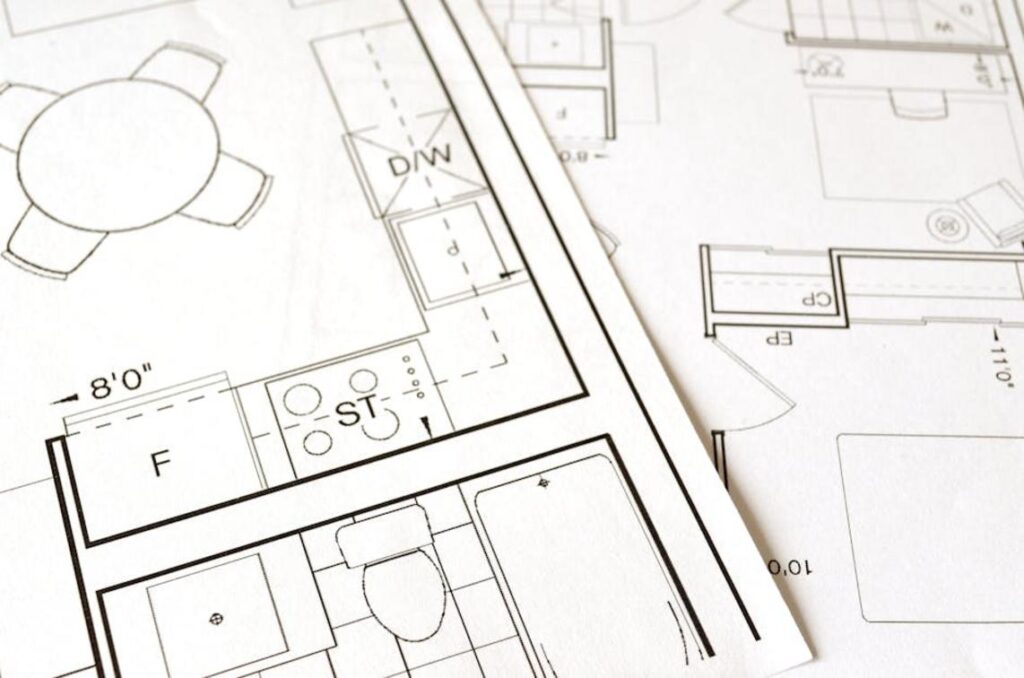
First comes the deep dive. This is where mood boards (visual collages of colors, textures, and inspiration) take shape, detailed floor plans outline spatial flow, and a firm budget anchors the vision in reality. A floor plan isn’t just a sketch—it defines traffic patterns, furniture scale, and functionality. According to the American Society of Interior Designers (ASID), structured planning reduces costly mid-project changes. However, some homeowners feel this stage is “too slow.” In truth, clarity here prevents budget overruns later (measure twice, cut once). Your role? Provide specific preferences, lifestyle needs, and honest budget expectations.
Phase 2: Design Development and Sourcing
Next, creativity becomes tangible. Designers present concept boards, 3D renderings (digital visualizations of your space), and curated samples for materials, furnishings, and finishes. This is the collaborative core—refining fabrics, comparing quartz versus marble, selecting lighting with the right lumen output. While some argue Pinterest boards are enough, professional sourcing ensures durability, scale accuracy, and supplier reliability. Pro tip: Approve materials in natural light whenever possible.
Phase 3: Procurement and Execution
Finally, logistics take center stage. Orders are placed, contractors coordinated, and installations supervised. Managing tradespeople and timelines ensures the design is executed precisely—not “close enough.” This is where working with interior designers truly pays off.
Your Role as a Successful Client
Ultimately, success hinges on decisive feedback, open communication, and trust in professional expertise. Collaboration turns vision into a finished space that feels effortlessly yours.
Understanding budgets is like reading a recipe before you cook. Flat fees are the prix fixe menu—you know the total cost upfront. Hourly rates are a taxi meter, ticking as time passes. Cost-plus or percentage models add a set margin to materials, like a caterer charging for ingredients plus service.
The Anatomy of a Design Contract
Think of a contract as the blueprint for your investment. It should detail scope of work, payment schedule, timelines, and cancellation terms. When working with interior designers, clarity prevents costly plot twists.
Finally, keep a 10–15% contingency fund—your financial umbrella for unexpected storms.
Your Blueprint for a Beautiful Collaboration
You no longer have to face the overwhelm of executing a complex design project on your own. With the right framework in place, you can move forward with clarity and confidence instead of second-guessing every decision. The key to a stunning, cohesive result lies in working with interior designers who value structure, communication, and true collaboration. When you combine your vision with professional expertise, the outcome becomes both beautiful and deeply personal.
Start simple: create a personal inspiration board today. Gather colors, textures, layouts, and pieces you love. This small step clarifies your vision and prepares you for a confident, productive conversation with a design professional who can bring it to life.
 Director of Community & Partnerships
Ask Eloria Esthova how they got into decor trends and shifts and you'll probably get a longer answer than you expected. The short version: Eloria started doing it, got genuinely hooked, and at some point realized they had accumulated enough hard-won knowledge that it would be a waste not to share it. So they started writing.
What makes Eloria worth reading is that they skips the obvious stuff. Nobody needs another surface-level take on Decor Trends and Shifts, Space Optimization Hacks, In-Depth Guides. What readers actually want is the nuance — the part that only becomes clear after you've made a few mistakes and figured out why. That's the territory Eloria operates in. The writing is direct, occasionally blunt, and always built around what's actually true rather than what sounds good in an article. They has little patience for filler, which means they's pieces tend to be denser with real information than the average post on the same subject.
Eloria doesn't write to impress anyone. They writes because they has things to say that they genuinely thinks people should hear. That motivation — basic as it sounds — produces something noticeably different from content written for clicks or word count. Readers pick up on it. The comments on Eloria's work tend to reflect that.
Director of Community & Partnerships
Ask Eloria Esthova how they got into decor trends and shifts and you'll probably get a longer answer than you expected. The short version: Eloria started doing it, got genuinely hooked, and at some point realized they had accumulated enough hard-won knowledge that it would be a waste not to share it. So they started writing.
What makes Eloria worth reading is that they skips the obvious stuff. Nobody needs another surface-level take on Decor Trends and Shifts, Space Optimization Hacks, In-Depth Guides. What readers actually want is the nuance — the part that only becomes clear after you've made a few mistakes and figured out why. That's the territory Eloria operates in. The writing is direct, occasionally blunt, and always built around what's actually true rather than what sounds good in an article. They has little patience for filler, which means they's pieces tend to be denser with real information than the average post on the same subject.
Eloria doesn't write to impress anyone. They writes because they has things to say that they genuinely thinks people should hear. That motivation — basic as it sounds — produces something noticeably different from content written for clicks or word count. Readers pick up on it. The comments on Eloria's work tend to reflect that.