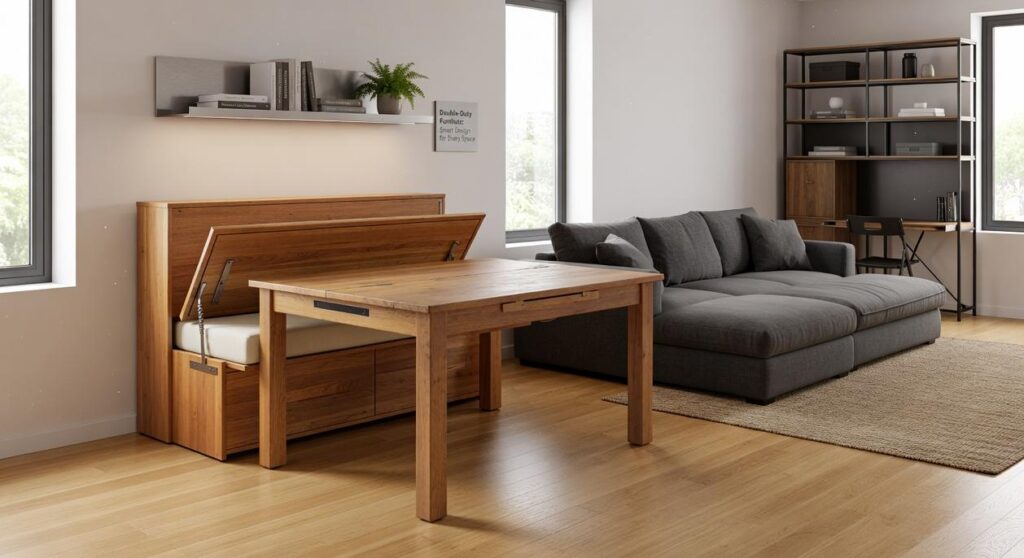

Designing a home that feels stylish, functional, and spacious can be challenging—especially when every square foot matters. If you’re searching for practical ways to make your space work harder without sacrificing aesthetics, this guide to multi functional room design is exactly what you need. We’ll break down smart layout strategies, modern interior techniques, and space-saving solutions that help you transform a single room into a versatile, beautifully styled environment.
From clever storage integrations to flexible furniture choices and zoning techniques, this article delivers actionable insights you can apply immediately. Our recommendations are based on proven home styling principles, current decor trends, and tested space optimization methods used by professional designers.
Whether you’re updating a small apartment, creating a dual-purpose home office, or reimagining your living area, you’ll find clear, practical guidance to help you maximize comfort, efficiency, and visual appeal—all in one thoughtfully designed space.
One Room, Many Roles
Today’s homes are asked to do it all: office, gym, dining nook, and sanctuary. Naturally, critics argue that combining functions creates clutter and chaos. They say separate rooms are the only path to focus and calm. However, with smart multi functional room design, the opposite is true. By defining zones, choosing adaptable furniture, and limiting visual noise, you create cohesion instead of confusion. In other words, intention beats square footage. This guide offers proven techniques to craft a flexible space that evolves with you—so your home supports your life, not restricts it. And still feels spacious.
The Blueprint: How to Strategically Zone Your Multi-Functional Room
Before you drag a single piece of furniture, start with a Function Audit. This simply means listing every activity your room needs to support—sleeping, working, dining, gaming, yoga (yes, that counts). Be honest. If you work from home five days a week, a foldaway desk might not cut it.
Some argue that flexible rooms should stay fluid and unstructured. Why “box in” creativity with zones? Fair point. But without light structure, spaces become chaotic catch‑alls. Strategic zoning isn’t restrictive—it’s clarifying.
Sketch It Before You Shift It
Create rough “zones” on paper. A simple floor plan helps you assign dedicated areas based on needs like surface space, storage, or privacy. This is the backbone of smart multi functional room design.
Next, prioritize traffic flow. Clear pathways between doors and zones prevent that daily obstacle course feeling (your shins will thank you). According to the National Association of Home Builders, functional layout is a top factor in perceived home comfort (NAHB).
Leverage natural light by placing task-heavy zones near windows. Keep rest-focused areas in softer light to support circadian rhythms (Harvard Health).
What’s next? Consider storage solutions and visual dividers to reinforce zones without building walls. Pro tip: Rugs subtly signal boundaries while keeping flexibility intact.
Your Hardest-Working Pieces: Choosing Transformative Furniture
Small space or sprawling loft, the question is the same: why let furniture do just one job? Convertible furniture (pieces designed to serve two or more functions) is the overachiever of the design world. A sleeper sofa vs. a traditional couch is a classic A/B scenario: one hosts movie night and overnight guests; the other just holds throw pillows. Expandable dining tables that collapse into slim consoles outperform bulky eight-seaters that dominate the room year-round. Lift-top coffee tables? They double as work surfaces—ideal for multi functional room design (because yes, your living room is now sometimes an office).
Still, some argue convertibles sacrifice style for utility. Fair point—early models often did. But modern designs blend clean lines with clever engineering (think Transformers, but chic). The key is quality mechanisms and solid materials.
Think Vertically and Modularly
Floor space vs. wall space is another showdown. Modular shelving and wall-mounted desks free the ground plane and draw the eye upward, making rooms feel larger. Compared side-byside with bulky floor cabinets, vertical systems feel lighter and more adaptable. Height creates breathing room.
Mobility Is Key
Fixed furniture locks you in. Pieces with casters—bar carts, rolling file cabinets, storage ottomans—shift as your needs change. Hosting guests? Roll it out. Need space? Tuck it away. (Pro tip: choose smooth-lock wheels to prevent drift.)
Master Nesting and Stacking
Nesting tables vs. single side tables: same surface area when needed, half the footprint when not. Stackable chairs beat permanent extras cluttering corners. For even smarter solutions, explore furniture with hidden storage smart picks for compact living.
Transformative furniture isn’t about cramming more in—it’s about making every piece earn its keep.
Clever Illusions: How to Define Zones Without Building Walls

Open layouts are beautiful—until everything starts blending together. If your living room is also your office and dining space, subtle visual cues can create order without sacrificing light or flow.
First, anchor with area rugs. A large rug under your sofa grounds the living area, while a smaller, complementary rug beneath the dining table signals a different function. Designers often use rugs to “frame” activity zones (Architectural Digest notes rugs as key spatial anchors in open plans). Choose patterns or textures that differ slightly but share a color story for cohesion.
Next, use strategic lighting. A focused task lamp defines a work desk, a warm floor lamp softens a reading corner, and dimmable overhead lighting adjusts the room’s overall mood. Layered lighting, recommended by the American Lighting Association, helps the brain interpret purpose by brightness and tone. (Bright light says “get things done.” Warm light whispers “relax.”)
Then consider color blocking. Painting one alcove a deeper shade instantly carves out a home office nook. Darker hues can enhance focus by reducing visual distraction.
Finally, employ open shelving as dividers. A tall, backless bookshelf separates zones while preserving sightlines and airflow—ideal for multi functional room design. Pro tip: Style shelves sparsely to avoid visual clutter.
Conquer the Clutter: Essential Storage for a Hybrid Space
First and foremost, maximize vertical space. Floating shelves, slim picture ledges, and tall, narrow bookcases pull items off the floor and draw the eye upward, which can make ceilings feel higher (a small optical illusion with big impact). Wall-mounted systems with load ratings of 20–50 pounds per shelf are widely available, giving you both style and strength. In multi functional room design, this strategy keeps work files, decor accents, and everyday essentials neatly elevated.
Next, find storage hidden in plain sight. Ottomans with hinged lids, benches with lift-up seats, and bed frames with integrated drawers typically offer several cubic feet of concealed space. That means blankets, tech accessories, or yoga blocks stay accessible but out of view.
Finally, create a place for everything. Dedicated drawers for office supplies and labeled cabinets for workout gear streamline transitions between tasks. For more space optimization hacks, explore https://mintpaldecor.com/space-optimization-hacks.
Your Space, Reimagined and Ready for Anything
Ultimately, a beautiful room isn’t about squeezing in more furniture; it’s about smart planning and intentional choices. While others focus on trendy decor swaps, true transformation starts with strategy. Strategic zoning (assigning clear purposes to areas), versatile furniture, visual dividers, and disciplined storage form the backbone of lasting flexibility.
| Pillar | Why It Works |
|—|—|
| Zoning | Prevents overlap and chaos |
| Versatile Pieces | Maximizes function per square foot |
| Visual Dividers | Creates privacy without walls |
| Storage | Protects clarity and calm |
Unlike typical advice, multi functional room design thrives on restraint. So start today: sketch your ideal layout and replace one single-use piece.
Bring Your Space Together with Purpose
You started this guide looking for smarter ways to style your home, maximize space, and make every room feel intentional. Now you have practical strategies, trend insights, and layout ideas to confidently approach multi functional room design without sacrificing comfort or style.
The real frustration isn’t just limited square footage — it’s feeling like your home isn’t working for you. Cluttered layouts, wasted corners, and mismatched decor can make even beautiful spaces feel chaotic. When every piece has purpose and every zone is thoughtfully planned, your home becomes easier to live in and more enjoyable to show off.
Now it’s time to take action. Start by reassessing one room today — identify unused areas, define its core functions, and apply the styling and space-optimization techniques you’ve learned. For even more expert-backed decor strategies and space-saving ideas, explore our in-depth guides and trending design insights trusted by thousands of modern home enthusiasts.
Your home should support your lifestyle, not limit it. Take the next step and transform your space into one that works smarter, looks better, and finally feels complete.
 Head of Content Strategy
There is a specific skill involved in explaining something clearly — one that is completely separate from actually knowing the subject. Fredrickien Hunteron has both. They has spent years working with decor trends and shifts in a hands-on capacity, and an equal amount of time figuring out how to translate that experience into writing that people with different backgrounds can actually absorb and use.
Fredrickien tends to approach complex subjects — Decor Trends and Shifts, Pal Modern Interior Techniques, Space Optimization Hacks being good examples — by starting with what the reader already knows, then building outward from there rather than dropping them in the deep end. It sounds like a small thing. In practice it makes a significant difference in whether someone finishes the article or abandons it halfway through. They is also good at knowing when to stop — a surprisingly underrated skill. Some writers bury useful information under so many caveats and qualifications that the point disappears. Fredrickien knows where the point is and gets there without too many detours.
The practical effect of all this is that people who read Fredrickien's work tend to come away actually capable of doing something with it. Not just vaguely informed — actually capable. For a writer working in decor trends and shifts, that is probably the best possible outcome, and it's the standard Fredrickien holds they's own work to.
Head of Content Strategy
There is a specific skill involved in explaining something clearly — one that is completely separate from actually knowing the subject. Fredrickien Hunteron has both. They has spent years working with decor trends and shifts in a hands-on capacity, and an equal amount of time figuring out how to translate that experience into writing that people with different backgrounds can actually absorb and use.
Fredrickien tends to approach complex subjects — Decor Trends and Shifts, Pal Modern Interior Techniques, Space Optimization Hacks being good examples — by starting with what the reader already knows, then building outward from there rather than dropping them in the deep end. It sounds like a small thing. In practice it makes a significant difference in whether someone finishes the article or abandons it halfway through. They is also good at knowing when to stop — a surprisingly underrated skill. Some writers bury useful information under so many caveats and qualifications that the point disappears. Fredrickien knows where the point is and gets there without too many detours.
The practical effect of all this is that people who read Fredrickien's work tend to come away actually capable of doing something with it. Not just vaguely informed — actually capable. For a writer working in decor trends and shifts, that is probably the best possible outcome, and it's the standard Fredrickien holds they's own work to.