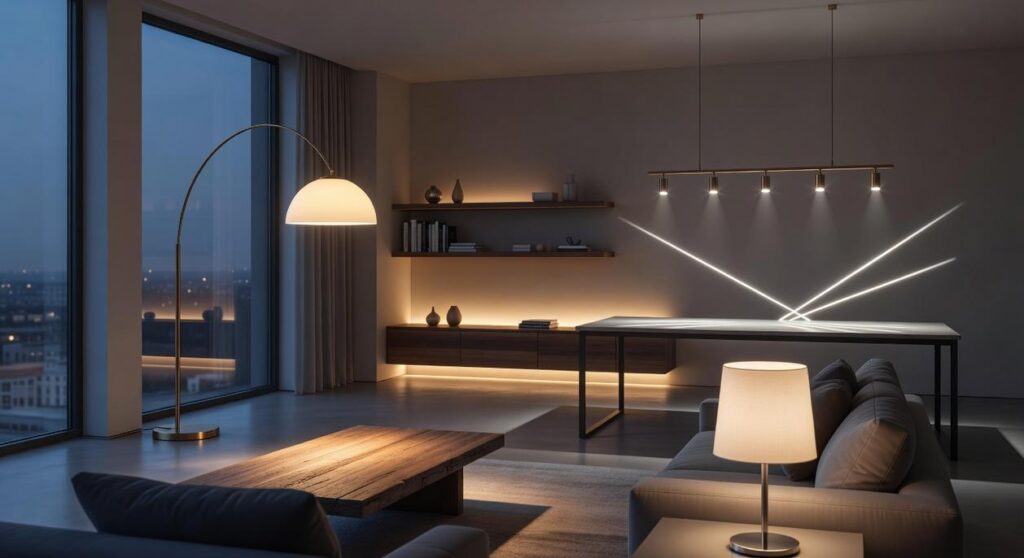

A single, well-chosen statement can turn an ordinary room into something unforgettable. This guide explores how to select the perfect statement piece decor that elevates your space without overwhelming it. With endless options available, choosing one defining item can feel daunting—but it doesn’t have to be. Drawing on years of professional styling expertise and proven interior principles, we’ll show you how to identify, position, and style a piece that reflects your personality and anchors your room with confidence. By the end, you’ll know exactly how to transform your home with intention, balance, and impact.
I once bought a massive gold floor vase convinced it would transform my living room. It didn’t. It just… hovered there, awkward and loud (like a party guest who won’t read the room). That’s when I realized: eye-catching isn’t about price or sheer size.
So what actually works?
First, Scale—how large an item feels relative to its surroundings. A modest lamp can dominate a tiny entryway, while a giant canvas might disappear on a vaulted wall. Then there’s Color. Bold contrast grabs attention; rich harmony holds it. According to color psychology research (Elliot & Maier, 2014), color directly influences mood and perception.
Next comes Texture, the tactile quality that adds depth—even visually. Finally, Form, or shape, gives the brain something interesting to process.
Together, these elements create a focal point—an anchor that lets the eye rest and sets the room’s emotional tone. When chosen well, statement piece decor doesn’t shout. It resonates. For more styling insights, explore https://mintpaldecor.com.
Five Categories of Statement Decor to Elevate Any Room
If a room feels flat or forgettable, it’s usually missing a focal point. That’s where statement piece decor comes in. A focal point is simply the visual anchor that draws the eye and sets the tone for the entire space. Here are five categories that consistently work.
1. Oversized Wall Art
A large-scale painting, photograph, or textile instantly commands attention. Choose artwork that echoes one or two existing colors in your room for cohesion. For example, if your sofa has navy cushions, look for art with subtle navy accents. Oversized pieces reduce clutter (one big piece often works better than a gallery wall). Pro tip: Hang the center about 57–60 inches from the floor for gallery-level balance.
2. Sculptural Lighting
Lighting isn’t just functional—it’s architectural. A dramatic chandelier or artistic floor lamp acts as functional art (beautiful and useful). During the day, it shapes the room visually; at night, it creates ambiance. If you’re unsure, start with a bold pendant over a dining table—controlled impact, big payoff.
3. A Single Piece of Unique Furniture
Think velvet accent chair in emerald, a live-edge wood coffee table, or a vintage console with patina. Contrast is key: if your room is neutral and modern, one richly textured or historic piece adds depth (like casting one charismatic actor in an otherwise minimalist film).
4. Large-Scale Botanicals
A mature Fiddle-Leaf Fig or Bird of Paradise adds height, movement, and color. Use an oversized planter to ground it visually. Real plants improve indoor air quality according to NASA’s Clean Air Study.
5. Bold Area Rugs
A vibrant or textured rug defines zones, especially in open layouts. Choose a size large enough for front furniture legs to rest on it—this prevents the “floating island” effect and ties everything together.
How to Choose a Statement Piece That’s Uniquely You
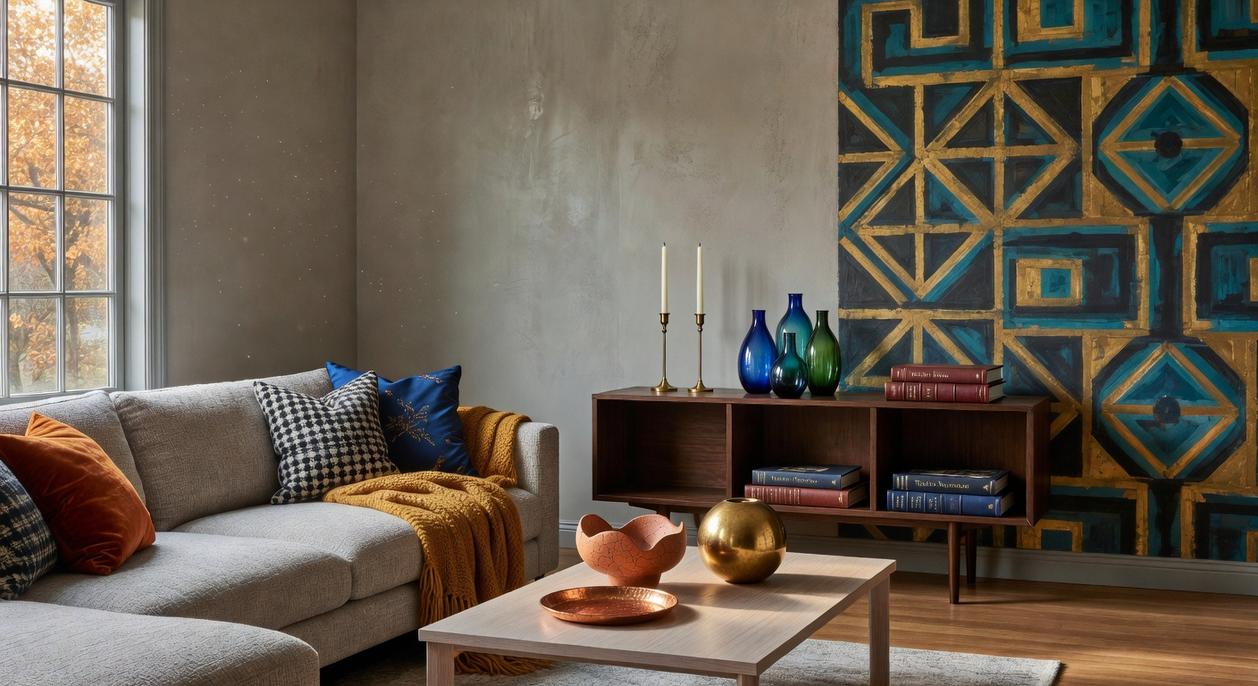
Choosing the right focal point for your home isn’t about grabbing the biggest, boldest thing you can find (this isn’t a reality TV design challenge). First, assess your current style. Is your space minimalist, bohemian, industrial, or traditional? In other words, what’s the vibe? Your statement piece should either complement that aesthetic or intentionally contrast it in a way that feels exciting—not accidental.
Next, consider the room’s function. A dramatic, conversation-starting sculpture works beautifully in a living room. However, in a bedroom, you might prefer something serene. After all, it’s hard to relax under a neon flamingo painting watching you sleep.
Then there’s the Rule of One. Typically, a room needs just one hero item. Too many bold elements compete for attention and create visual chaos (like everyone talking at once during a family dinner).
If you’re unsure where to begin, explore the top 10 lighting ideas that instantly transform your living space for inspiration on creating impact without clutter.
Ultimately, trust your gut. The best statement piece decor is something you genuinely love. Trends fade. Joy doesn’t.
Placement Is Everything
Great styling isn’t about buying more—it’s about placing smarter. Here’s how to make your statement piece decor truly shine.
Give It Breathing Room
Negative space (the empty area around an object) prevents visual clutter and helps the eye focus. If you hang bold art, resist adding competing frames nearby. Think of it like a solo performer on stage—no backup dancers needed.
Create a Direct Line of Sight
Place key decor where it’s visible from the main entry point. Designers call this a focal point (the first place your eye lands). A well-placed mirror or sculpture delivers instant impact.
Use Lighting to Your Advantage
Spotlights, picture lights, or soft uplighting highlight texture and dimension—especially at night. (Overhead lighting alone rarely flatters anything.)
Common Mistakes to Avoid
- Hanging tiny art on massive walls
- Blocking windows and natural light
- Crowding walkways and disrupting traffic flow
Pro tip: Step back and squint—your focal point should stand out immediately.
Your Home, Your Signature Statement
You set out to discover how to elevate your space with intention—and now you know how to identify, select, and strategically place a piece that delivers real designer impact. The real challenge was never filling a room; it was moving beyond generic decor to find something with personality and presence.
By focusing on scale, form, and color—and choosing statement piece decor that truly resonates with you—you transform a space from ordinary to unforgettable.
Now take action. Walk into one room and ask yourself: what single addition would tell your story? Start there, make it bold, and watch your home come to life.
 Head of Content Strategy
There is a specific skill involved in explaining something clearly — one that is completely separate from actually knowing the subject. Fredrickien Hunteron has both. They has spent years working with decor trends and shifts in a hands-on capacity, and an equal amount of time figuring out how to translate that experience into writing that people with different backgrounds can actually absorb and use.
Fredrickien tends to approach complex subjects — Decor Trends and Shifts, Pal Modern Interior Techniques, Space Optimization Hacks being good examples — by starting with what the reader already knows, then building outward from there rather than dropping them in the deep end. It sounds like a small thing. In practice it makes a significant difference in whether someone finishes the article or abandons it halfway through. They is also good at knowing when to stop — a surprisingly underrated skill. Some writers bury useful information under so many caveats and qualifications that the point disappears. Fredrickien knows where the point is and gets there without too many detours.
The practical effect of all this is that people who read Fredrickien's work tend to come away actually capable of doing something with it. Not just vaguely informed — actually capable. For a writer working in decor trends and shifts, that is probably the best possible outcome, and it's the standard Fredrickien holds they's own work to.
Head of Content Strategy
There is a specific skill involved in explaining something clearly — one that is completely separate from actually knowing the subject. Fredrickien Hunteron has both. They has spent years working with decor trends and shifts in a hands-on capacity, and an equal amount of time figuring out how to translate that experience into writing that people with different backgrounds can actually absorb and use.
Fredrickien tends to approach complex subjects — Decor Trends and Shifts, Pal Modern Interior Techniques, Space Optimization Hacks being good examples — by starting with what the reader already knows, then building outward from there rather than dropping them in the deep end. It sounds like a small thing. In practice it makes a significant difference in whether someone finishes the article or abandons it halfway through. They is also good at knowing when to stop — a surprisingly underrated skill. Some writers bury useful information under so many caveats and qualifications that the point disappears. Fredrickien knows where the point is and gets there without too many detours.
The practical effect of all this is that people who read Fredrickien's work tend to come away actually capable of doing something with it. Not just vaguely informed — actually capable. For a writer working in decor trends and shifts, that is probably the best possible outcome, and it's the standard Fredrickien holds they's own work to.