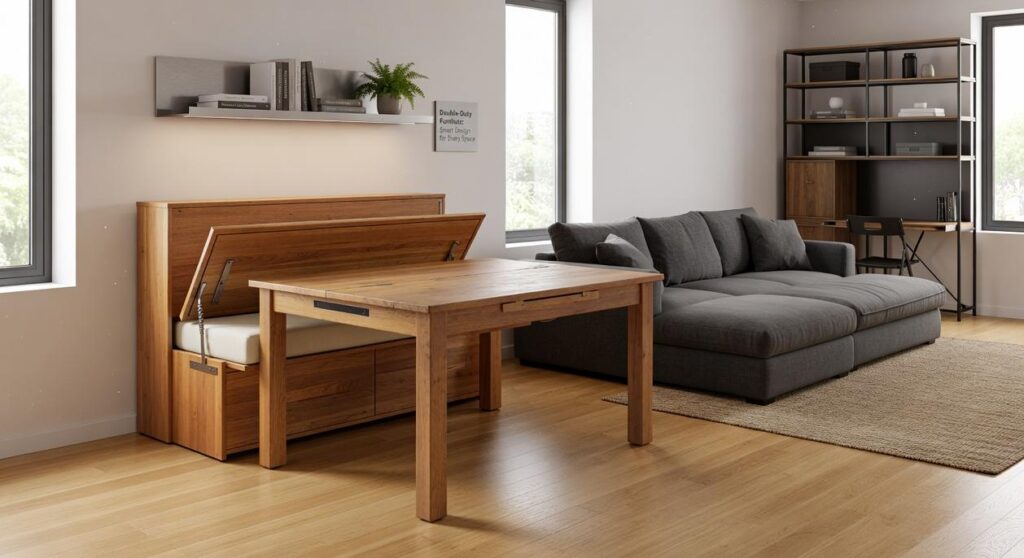

If you’re searching for practical, realistic ways to create a cleaner, calmer living space, you’re in the right place. A cluttered home doesn’t just affect how your rooms look—it impacts your focus, productivity, and overall sense of comfort. This article is designed to give you clear, actionable decluttering strategies for home that go beyond quick fixes and help you build long-term organization habits.
We’ll break down proven methods for reducing excess, organizing with purpose, and making the most of every square foot—whether you live in a small apartment or a spacious house. Our recommendations are based on widely tested interior organization principles, modern space-optimization techniques, and practical styling approaches used by home design professionals.
By the end, you’ll have a step-by-step understanding of how to identify problem areas, streamline your belongings, and create a functional, visually balanced environment that feels easier to maintain every day.
Start with an anecdote about standing in my living room, staring at piles of mail and feeling OVERWHELMED. I remember thinking the mess was stealing my focus and my calm. Clutter does that; studies link disorganization to higher stress levels (Princeton Neuroscience Institute, 2011). This guide promises a simple, step-by-step system built from years of hands-on trial and error, not Pinterest perfection. You’ll learn practical decluttering strategies for home that prioritize function over flawlessness. Because a serene space isn’t about spotless shelves—it’s about rooms that WORK for your real life, every single day. And yes, lasting results are possible. Today.
The Foundation: Your 4-Step Decluttering Blueprint
Decluttering isn’t about tossing things at random—it’s about using a systematic approach that prevents burnout and decision fatigue (because yes, even deciding the fate of a coffee mug can feel exhausting). Instead of attacking your entire house in one weekend, follow this structured plan designed to create visible progress fast.
Step 1: The One-Room Method
First, focus on a single room—or better yet, one defined zone like a drawer or countertop. This builds momentum through quick wins. Research from Princeton University Neuroscience Institute shows clutter competes for your attention, reducing focus and increasing stress. By completing one space fully, you lower cognitive overload and actually see results.
Step 2: The Sorting System
Next, use the four-box method:
- Keep – Items you use regularly or genuinely love.
- Donate/Sell – Good-condition items you no longer need.
- Discard – Broken, expired, or unusable items.
- Relocate – Things that belong in another room.
Clear criteria remove guesswork, which is why this remains one of the most effective decluttering strategies for home organization.
Step 3: The “Container Principle”
Then, declutter before buying storage. Buying bins too early often hides clutter instead of solving it. When you know exactly what remains, you can choose containers that fit your actual needs (pro tip: measure your space first).
Step 4: The “Touch It Once” Rule
Finally, when you pick something up, put it in its final home immediately. Moving it between piles only delays decisions. One touch, one decision, done.
In short, structure transforms overwhelm into action—and action creates calm.
Zone by Zone: Smart Organization for Every Room
Theory is nice. But real life happens in rooms—messy kitchens, overstuffed closets, and that one bathroom drawer that refuses to close. Let’s break this down space by space with practical, actually doable fixes.
The Kitchen: Create Purposeful Zones
The kitchen works best when it’s divided into task zones—dedicated areas for specific activities.
- Cooking zone: Keep oils, spices, and utensils near the stove.
- Baking zone: Store measuring cups, mixing bowls, and flour together.
- Coffee station: Corral mugs, pods, and sweeteners in one tray.
This reduces “search time” (the minutes you waste opening five cabinets to find cinnamon).
Use vertical space aggressively. Add stackable shelves inside cabinets and pot-lid organizers to reclaim awkward gaps. Drawer dividers prevent the dreaded utensil jumble (you know the one).
Pro tip: Install adhesive hooks inside cabinet doors for measuring spoons.
The Bedroom Closet: Simplify Decisions
Closets overflow because we avoid small rules. The classic “one in, one out” rule—removing one item for every new purchase—prevents silent buildup.
Matching hangers may seem cosmetic, but uniform hangers create visual calm and free up space. Studies show visual order reduces stress levels (UCLA Center on Everyday Lives of Families).
For seasonal rotation, store off-season clothes in labeled bins on high shelves or under the bed. Keep only current-season pieces accessible. Fewer visible choices = easier mornings.
The Living Area: Hide the Chaos
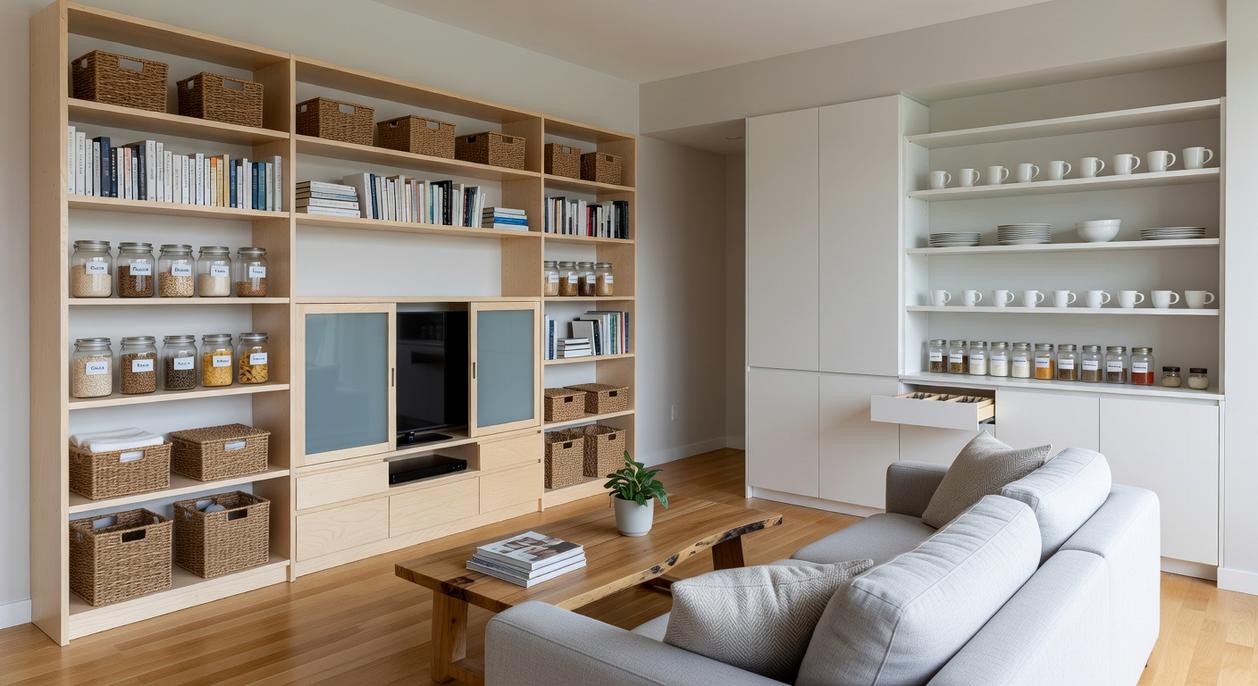
Living rooms collect both physical and digital clutter.
Choose multi-functional furniture:
- Storage ottomans
- Coffee tables with drawers
- Media consoles with closed cabinets
For cable management:
- Use adhesive cord clips along baseboards.
- Bundle wires with Velcro ties.
- Label chargers (future you will be grateful).
A room feels organized when surfaces are clear. Even Marie Kondo would approve (spark joy, not cable spaghetti).
The Bathroom: Maximize Small Spaces
Bathrooms demand smart vertical thinking.
Install wall-mounted shelves above the toilet. Use clear acrylic drawer organizers so you can see what you own (visibility prevents duplicate purchases). Under-sink caddies with pull-out trays make plumbing gaps usable.
If you’re working with limited square footage, explore these 10 smart storage ideas for small apartments for adaptable solutions.
Ultimately, effective decluttering strategies for home come down to zoning, visibility, and access. When every item has a defined place, maintenance becomes automatic—not overwhelming.
Maintaining order: Habits for Lasting Tidiness
Organization isn’t a weekend overhaul; it’s a daily practice. Think of it like brushing your teeth—skip it for a week and you’ll notice.
The 10-Minute Nightly Reset
Set a timer for ten minutes. Walk room to room and return items to their designated homes. Fluff pillows, clear counters, stack papers. Small resets prevent big messes. Real-world example: if your keys live in a bowl by the door, you’ll never stage a morning scavenger hunt again (we’ve all been there).
The Weekly Review
Block 20 minutes each week to:
- Sort mail and recycle junk immediately
- Empty the “Relocate” box
- Reset clutter hotspots
This rhythm supports sustainable decluttering strategies for home maintenance.
Mindful Consumption
Before buying, ask:
- Do I love it, or just like the idea of it?
- Where will it live?
- What leaves if this enters?
Some argue spontaneity sparks joy. True— but unchecked impulse turns homes into storage units. Even Marie Kondo says clutter reflects postponed decisions (Kondo, 2014). Order isn’t rigid; it’s intentional. Pro tip: keep a donation bag in a closet for easy edits.
Consistency compounds, turning quick routines into lifelong habits that truly stick. Start tonight, not someday.
From Chaos to Calm
The goal was simple: create a clear, manageable system to conquer clutter for good. Disorganization drains time and spikes stress (and somehow eats your keys). The fix isn’t a weekend frenzy—it’s a framework:
- A practical blueprint
- Room-by-room methods
- Sustainable daily habits
Together, these decluttering strategies for home turn overwhelm into order. Speculation: as living spaces shrink and remote work grows, streamlined homes will become less of a luxury and more of a necessity.
Start small. Choose one drawer or shelf today. Momentum builds confidence, and confidence builds calm. Your organized future awaits.
Bring Calm, Style, and Function Back to Your Space
You started this guide looking for practical ways to create a home that feels organized, stylish, and easy to live in. Now you have the tools to make it happen.
Clutter, cramped layouts, and mismatched decor can make even the most beautiful space feel overwhelming. By applying smart layouts, intentional styling, and decluttering strategies for home, you’re not just tidying up — you’re transforming how your space works for you every single day.
The key now is action. Choose one room. Clear the excess. Rework the layout. Add purposeful decor that enhances both beauty and function. Small, consistent changes create lasting results.
If you’re ready to stop feeling frustrated by messy, inefficient spaces and finally enjoy a home that feels calm and curated, explore our expert-backed styling guides and space optimization tips. Thousands of readers rely on our proven decor insights to simplify their homes and elevate their interiors.
Start today — your home should support your lifestyle, not stress you out.
 FOUNDER & CEO
There is a specific skill involved in explaining something clearly — one that is completely separate from actually knowing the subject. Veronicay Simpsonita has both. They has spent years working with decor trends and shifts in a hands-on capacity, and an equal amount of time figuring out how to translate that experience into writing that people with different backgrounds can actually absorb and use.
Veronicay tends to approach complex subjects — Decor Trends and Shifts, Pal Modern Interior Techniques, Highlight Hub being good examples — by starting with what the reader already knows, then building outward from there rather than dropping them in the deep end. It sounds like a small thing. In practice it makes a significant difference in whether someone finishes the article or abandons it halfway through. They is also good at knowing when to stop — a surprisingly underrated skill. Some writers bury useful information under so many caveats and qualifications that the point disappears. Veronicay knows where the point is and gets there without too many detours.
The practical effect of all this is that people who read Veronicay's work tend to come away actually capable of doing something with it. Not just vaguely informed — actually capable. For a writer working in decor trends and shifts, that is probably the best possible outcome, and it's the standard Veronicay holds they's own work to.
FOUNDER & CEO
There is a specific skill involved in explaining something clearly — one that is completely separate from actually knowing the subject. Veronicay Simpsonita has both. They has spent years working with decor trends and shifts in a hands-on capacity, and an equal amount of time figuring out how to translate that experience into writing that people with different backgrounds can actually absorb and use.
Veronicay tends to approach complex subjects — Decor Trends and Shifts, Pal Modern Interior Techniques, Highlight Hub being good examples — by starting with what the reader already knows, then building outward from there rather than dropping them in the deep end. It sounds like a small thing. In practice it makes a significant difference in whether someone finishes the article or abandons it halfway through. They is also good at knowing when to stop — a surprisingly underrated skill. Some writers bury useful information under so many caveats and qualifications that the point disappears. Veronicay knows where the point is and gets there without too many detours.
The practical effect of all this is that people who read Veronicay's work tend to come away actually capable of doing something with it. Not just vaguely informed — actually capable. For a writer working in decor trends and shifts, that is probably the best possible outcome, and it's the standard Veronicay holds they's own work to.