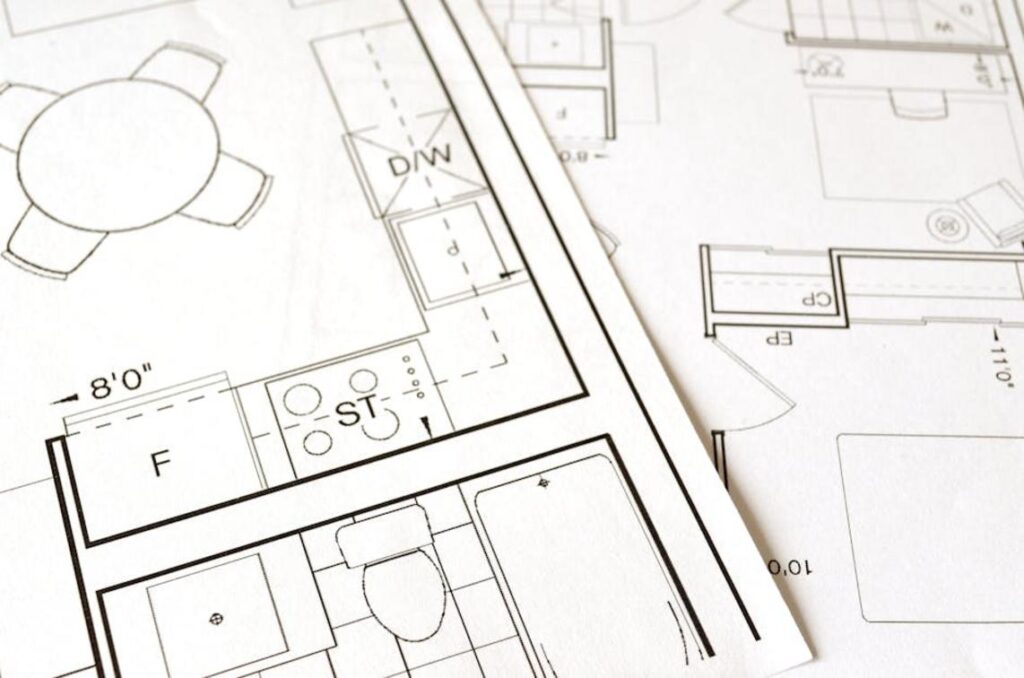

Looking to transform your space without draining your savings? If you’re searching for a practical, stylish, and realistic budget home makeover plan, you’re in the right place. This guide is designed for homeowners and renters who want maximum visual impact with minimal spending—without sacrificing quality or style.
We’ll walk you through smart prioritization, cost-effective material swaps, strategic layout improvements, and high-impact decor upgrades that make a room feel brand new. Whether you’re refreshing a single room or updating your entire home, you’ll learn how to stretch every dollar while achieving a cohesive, modern look.
Our recommendations are grounded in proven interior design principles, current decor trends, and real-world space optimization techniques used by experienced home stylists. Every tip is practical, actionable, and tested for both functionality and aesthetic appeal.
By the end, you’ll have a clear roadmap to upgrade your home confidently—without overspending or second-guessing your choices.
Scroll through glossy renovation photos and everything gleams—marble countertops, sunlit lofts, velvet sofas. Then you look at your own space, where the paint feels tired and the floors creak, and the gap between dream and budget hits hard. However, creating a home that looks expensive doesn’t require draining your savings. Instead, it calls for a strategic budget home makeover plan that prioritizes texture, light, and flow. Over years of interior design and space optimization, I’ve seen how layouts, layered lighting, and paint can shift a room’s mood. This guide offers a structured framework for planning and executing an affordable transformation.
The Blueprint: Strategic Planning for Maximum Impact
I once jumped into a living room refresh armed with paint swatches and pure confidence. Two weeks later, I had gorgeous walls… and a blown budget (turns out, “minor updates” add up fast). That experience taught me this: start with Define Your ‘Why’.
Are you renovating to boost resale value, improve daily function, or simply crave a cosmetic reset? Your “why” is your project’s north star. Without it, you’ll zigzag between trends like you’re redecorating a sitcom set mid-season.
Next comes the 80/20 Budget Rule. This means dedicating 80% of your funds to high-impact, high-use areas—think kitchen countertops or living room flooring—and 20% to decor accents. Some argue every room deserves equal love. I disagree. Prioritizing function first prevents regret later (no one brags about designer throw pillows on warped floors).
Map the Money Before You Move It
Create a line-item budget listing everything—from screws to paintbrushes. Add a 15% contingency fund for surprises (because behind every wall lurks a plot twist). Pro tip: round estimates up, not down.
Finally, develop a phased approach. Month 1: paint. Month 2: lighting. Breaking your budget home makeover plan into stages keeps momentum strong and cash flow steady. It’s strategy over impulse—and your future self will thank you.
High-Impact Upgrades That Won’t Break the Bank
The Power of Paint
Paint is the MVP of any budget home makeover plan. A $40 gallon can outperform a $4,000 renovation (yes, really). Lighter shades like soft whites and pale grays reflect more light, making small rooms feel larger—an effect supported by color perception research in environmental psychology (Küller et al., 2009).
Flat vs. Eggshell vs. Semi-Gloss:
- Flat: Hides flaws, harder to clean.
- Eggshell: Slight sheen, durable—ideal for walls.
- Semi-gloss: Reflective and tough—perfect for trim and doors.
Pro tip: Paint trim a slightly brighter shade than walls to subtly frame the space.
Modernize with Lighting
Old brass chandelier vs. sleek matte-black pendant? The difference is night and day. Lighting isn’t just functional—it shapes mood and depth.
Layered lighting includes:
- Ambient (overhead fixtures)
- Task (desk or under-cabinet lights)
- Accent (wall sconces or LED strips)
Relying on one ceiling fixture flattens a room. Layering creates dimension—think sitcom apartment glow versus hospital waiting room glare.
Focus on Hardware
Hardware is the jewelry of your home. Builder-grade knobs vs. modern pulls in brushed nickel or matte black? One whispers “basic,” the other says “custom.” Swapping cabinet handles, faucets, and even light switch plates delivers cohesion fast.
Some argue hardware changes are too subtle to matter. But small details compound visually—just like accessories elevate an outfit.
Textiles and Textures
Heavy drapes vs. airy linen panels. Patterned rug vs. bare floor. Textiles add softness, color, and quiet luxury without construction dust. Mix textures—velvet pillows, woven throws—for depth (but keep the palette tight to avoid chaos).
Sourcing Savvy: Finding Affordable Materials Like a Pro
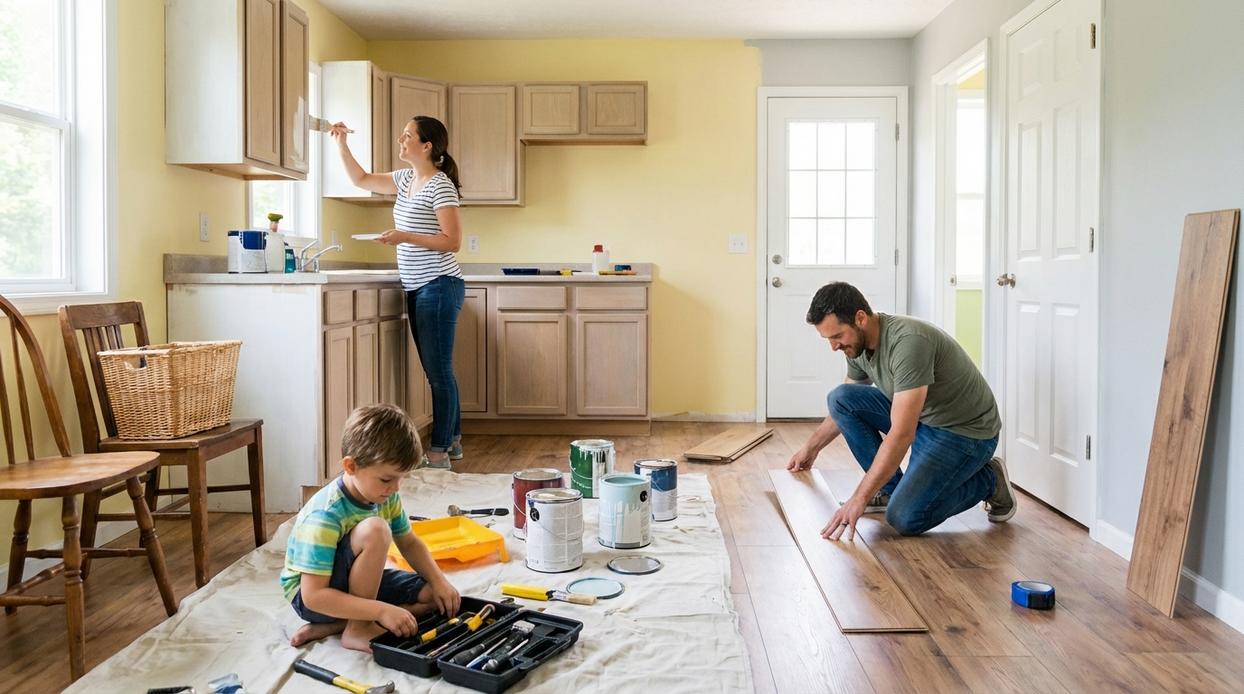
Think of sourcing materials like treasure hunting: if you only dig where everyone else digs, you’ll mostly find leftovers. Big-box stores are convenient, sure—but they’re the fast food of home improvement. Instead, explore architectural salvage yards, Habitat for Humanity ReStores, and online marketplaces. These spots are more like thrift boutiques for your home—unpredictable, yes, but often packed with character and serious savings.
Choose Smart Substitutes
Next, consider high-quality alternatives. Luxury Vinyl Tile (LVT)—a durable synthetic flooring that mimics wood or stone—offers the look of hardwood without the maintenance drama (or price tag). Likewise, high-pressure laminate countertops replicate marble or granite at a fraction of the cost. Some purists argue “nothing beats the real thing.” Fair. But if the visual impact is nearly identical and the savings fund your lighting upgrade, isn’t that a smarter play?
For smaller projects, buy remnants—leftover slabs of stone or tile sold at steep discounts. They’re perfect for vanities or backsplashes.
Finally, time purchases around major sales like Labor Day or Black Friday. Planning your budget home makeover plan around these cycles is like buying winter coats in July—strategic and satisfying.
And before splurging, review how to work with interior designers a homeowners guide to align your sourcing with a cohesive vision.
The Sweat Equity Equation: DIY vs. Hiring a Pro
Every home project comes down to one question: Do I trade TIME for MONEY? That’s the sweat equity equation. Sweat equity simply means the value you create through your own labor instead of paying someone else.
Projects Perfect for DIY
Focus on LOW-RISK, HIGH-REWARD tasks. Think painting walls, installing peel-and-stick backsplashes, assembling furniture, or swapping light fixtures (with the power off). These upgrades stretch a budget home makeover plan without risking major damage. Some argue DIY always looks “cheap.” Not necessarily. With patience and the right tools, results can rival professional work (yes, even that Pinterest board you saved at 2 a.m.).
When to Call an Expert
Plumbing, electrical, and structural changes demand licensed professionals. A small wiring mistake can cause fires (NFPA reports electrical failures as a leading cause of home fires). Saving a few dollars isn’t worth catastrophic repairs.
Finding Affordable Labor
Get at least THREE quotes. Hire skilled handymen for drywall or flooring instead of a general contractor. Pro tip: ask for recent project photos before signing anything.
Stunning homes are built on strategy, not spending. If you’ve ever stared at inspiration photos and sighed at your bank balance, you’re not alone. The gap between vision and budget feels personal. It isn’t. Smart planning changes everything.
Instead of chasing full remodels, try:
- Repainting walls in light-reflecting neutrals.
- Swapping dated hardware for modern finishes.
- Layering lighting to reshape mood.
This focused budget home makeover plan prioritizes high-impact upgrades, savvy sourcing, and selective DIY (yes, even peel-and-stick can look custom). Start today: choose one room, commit to one change, and watch momentum build with confidence and clarity now.
Bring Your Vision to Life with a Smart Plan
You started this guide looking for practical, achievable ways to refresh your space without overspending — and now you have the tools, ideas, and direction to make it happen. From smart styling choices to space-saving techniques, you’ve seen how small, intentional upgrades can completely transform the look and feel of your home.
The truth is, feeling frustrated by outdated rooms, cluttered layouts, or a lack of personality in your space can be draining. A home should inspire comfort and confidence — not stress. That’s exactly why creating a clear budget home makeover plan is so powerful. It turns overwhelm into action and scattered ideas into a cohesive, beautiful result.
Now it’s your move.
Start by choosing one room, defining your style goal, and mapping out your budget-friendly upgrades step by step. If you want expert-backed ideas, trend insights, and practical styling guides trusted by thousands of home enthusiasts, explore our top-rated decor resources and planning tools today.
Don’t let another season pass in a space that doesn’t feel like you. Take action now, follow your plan, and turn your home into a place you truly love.
 Head of Content Strategy
There is a specific skill involved in explaining something clearly — one that is completely separate from actually knowing the subject. Fredrickien Hunteron has both. They has spent years working with decor trends and shifts in a hands-on capacity, and an equal amount of time figuring out how to translate that experience into writing that people with different backgrounds can actually absorb and use.
Fredrickien tends to approach complex subjects — Decor Trends and Shifts, Pal Modern Interior Techniques, Space Optimization Hacks being good examples — by starting with what the reader already knows, then building outward from there rather than dropping them in the deep end. It sounds like a small thing. In practice it makes a significant difference in whether someone finishes the article or abandons it halfway through. They is also good at knowing when to stop — a surprisingly underrated skill. Some writers bury useful information under so many caveats and qualifications that the point disappears. Fredrickien knows where the point is and gets there without too many detours.
The practical effect of all this is that people who read Fredrickien's work tend to come away actually capable of doing something with it. Not just vaguely informed — actually capable. For a writer working in decor trends and shifts, that is probably the best possible outcome, and it's the standard Fredrickien holds they's own work to.
Head of Content Strategy
There is a specific skill involved in explaining something clearly — one that is completely separate from actually knowing the subject. Fredrickien Hunteron has both. They has spent years working with decor trends and shifts in a hands-on capacity, and an equal amount of time figuring out how to translate that experience into writing that people with different backgrounds can actually absorb and use.
Fredrickien tends to approach complex subjects — Decor Trends and Shifts, Pal Modern Interior Techniques, Space Optimization Hacks being good examples — by starting with what the reader already knows, then building outward from there rather than dropping them in the deep end. It sounds like a small thing. In practice it makes a significant difference in whether someone finishes the article or abandons it halfway through. They is also good at knowing when to stop — a surprisingly underrated skill. Some writers bury useful information under so many caveats and qualifications that the point disappears. Fredrickien knows where the point is and gets there without too many detours.
The practical effect of all this is that people who read Fredrickien's work tend to come away actually capable of doing something with it. Not just vaguely informed — actually capable. For a writer working in decor trends and shifts, that is probably the best possible outcome, and it's the standard Fredrickien holds they's own work to.